
Physics and Chemistry
Your body on the motorcycle: between ecstasy and survival
There's a reason you get hooked. Why every time you get home on your motorcycle you're already thinking about the next ride. Why a Sunday on the road is worth more than an entire week of anything else.
It's not romanticism. It's pure chemistry.
Pleasure mode: the five chemicals that keep you hooked on your motorcycle
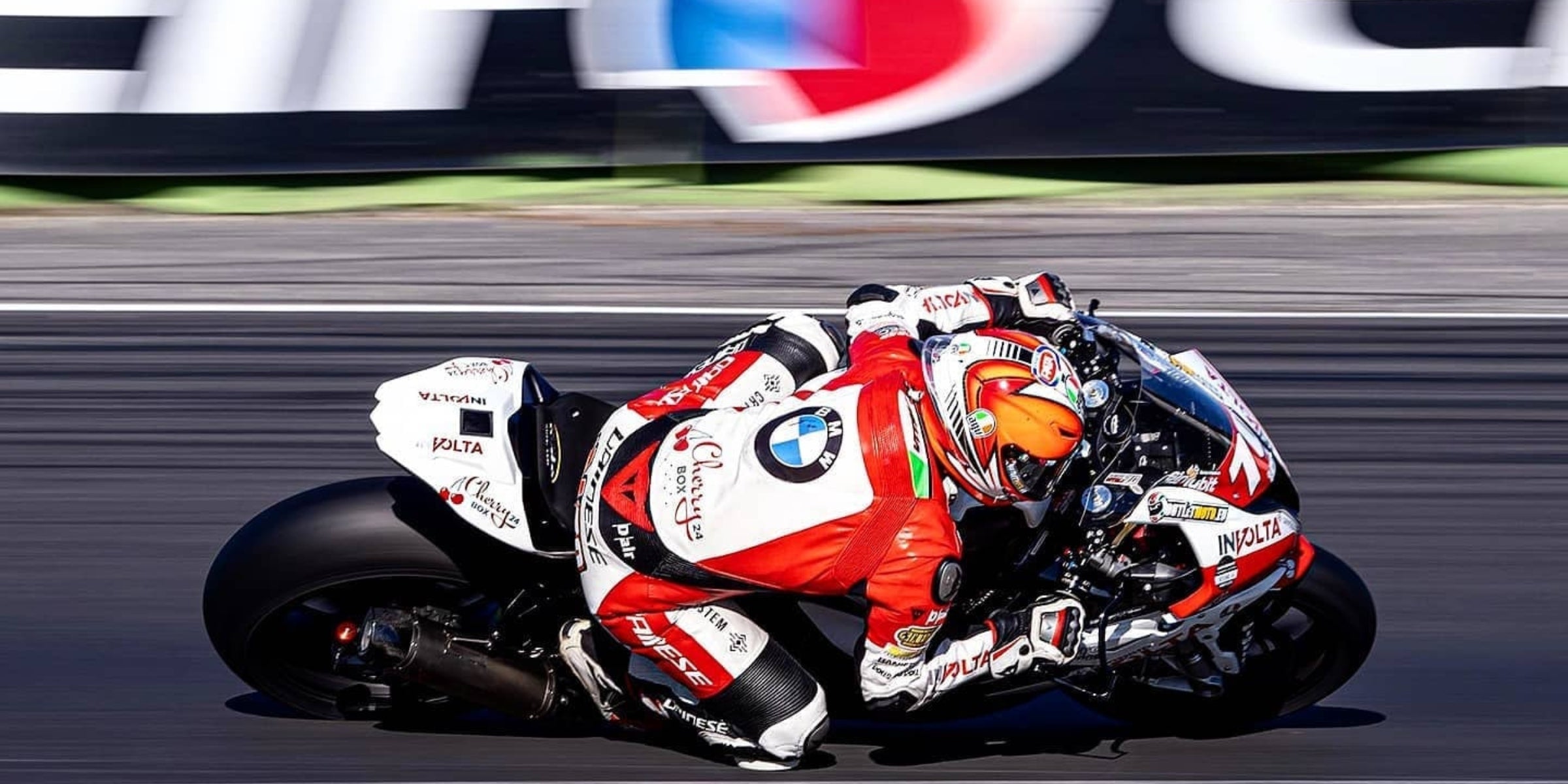
When you ride with pleasure, when you flow, when the bike and you are one, your body releases a cocktail of substances that is unrivaled. No drug replicates it. No screen equals it.
Dopamine. Every acceleration, every well-taken turn, every kilometer that flows effortlessly activates your brain's reward circuit. Dopamine is responsible for that feeling that this is exactly what you should be doing. The engine of habit. The reason you keep coming back.
Adrenaline. Not the adrenaline of fear. The good kind. The one that appears when you face a challenging curve, when the pace picks up and your senses sharpen. Adrenaline in pleasure mode keeps you alert without tensing you up. It makes you feel alive in a way few things can.
Endorphins. Those long hours on the bike, the physical exhaustion, the posture, the constant effort of concentration... endorphins mask it all. They are your body's natural painkiller. The reason you arrive exhausted but with a huge smile on your face.
Oxytocin. The bonding hormone. The one that appears when you ride with your people, with your group, with your tribe. That sense of belonging in the motorcycling world is no coincidence. It's biology. Oxytocin turns a ride into more than just kilometers.
Serotonin. The quietest of all. The one that appears afterward, when your helmet is already hung up and you still feel that peace you don't quite know where it comes from. The contact with the environment, the landscape, the air, the movement... motorcycling generates serotonin in a way that very few activities achieve.
Survival mode: what happens when fear strikes
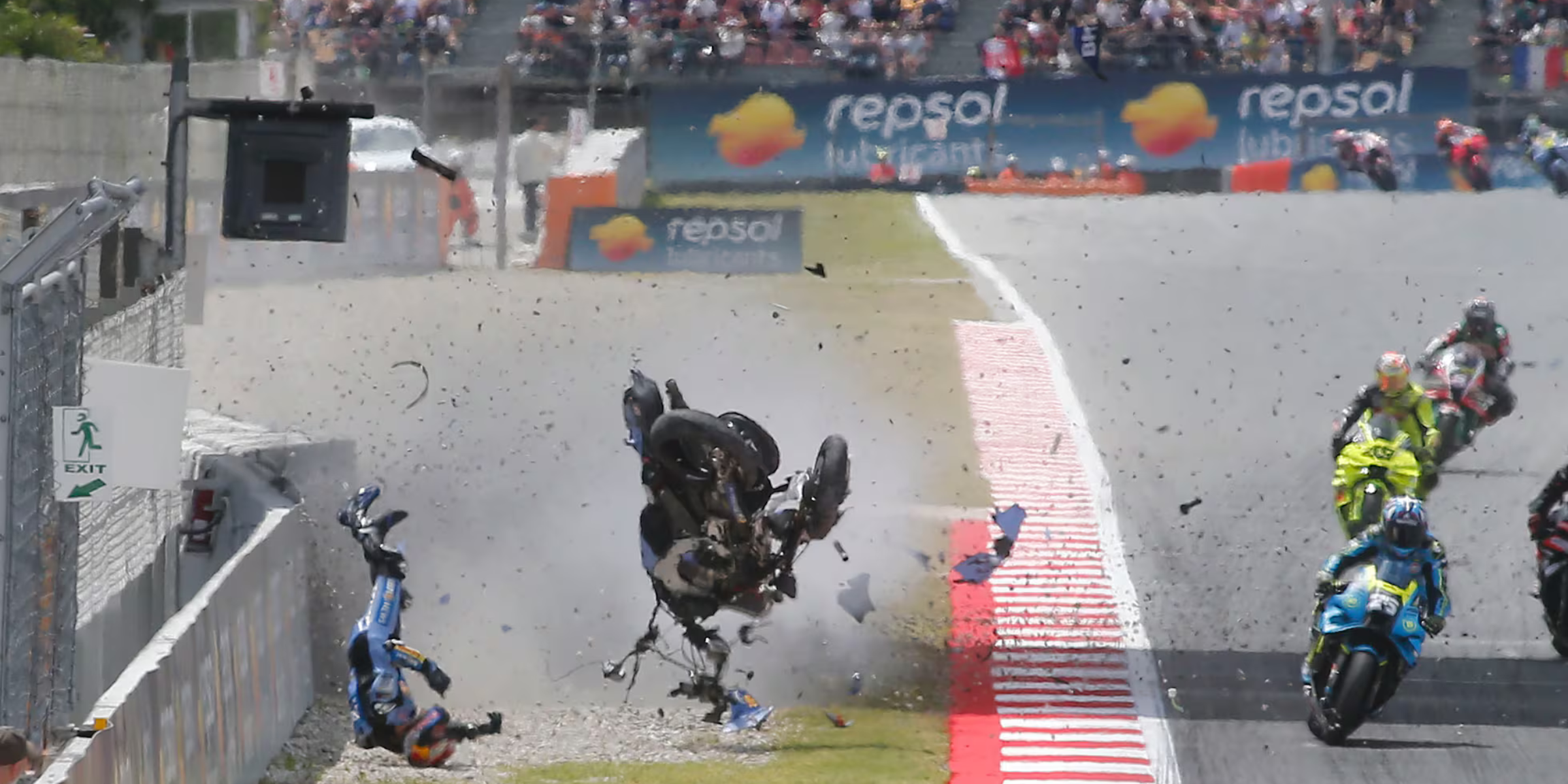
And then it happens.
A car that invades your lane. An oil slick. A miscalculation. An instant.
In milliseconds, your body leaves pleasure mode and activates an emergency protocol that has been ingrained for thousands of years. You go from ecstasy to survival without an intermediate stop.
Vision narrows. Peripheral vision disappears, and you enter tunnel vision. Your brain discards everything that is not the direct threat. On a motorcycle, that's dangerous. You stop seeing what's happening around you just when you need it most.
Heart races. Your heart rate multiplies in an instant. Blood goes where it needs to go: muscles, brain, vital organs. Your body prepares to react physically, although on a motorcycle, the physical reaction you need is much finer than running or fighting.
Airways dilate. Your system seeks more oxygen, more fuel for the brain and muscles. Your breathing changes without you deciding it.
Adrenaline changes roles. It's no longer the spark that sharpens your senses in a curve. Now it's the anesthetic. Your body releases adrenaline to block the pain that may be about to come. A brutal and ancient response that acts before damage occurs.
And then, exhaustion. When the scare passes, when the danger is behind you, the body pays the price. Extreme fatigue is the hangover of survival mode. Your nervous system has burned resources at a brutal speed and needs to recover. It's normal. It's physiological. And it's the sign that your body did exactly what it had to do.
That's why what happens in those milliseconds matters
Between pleasure mode and survival mode, there is an instant. A turning point that is sometimes an oil slick, a stone, a bump in the wrong curve.
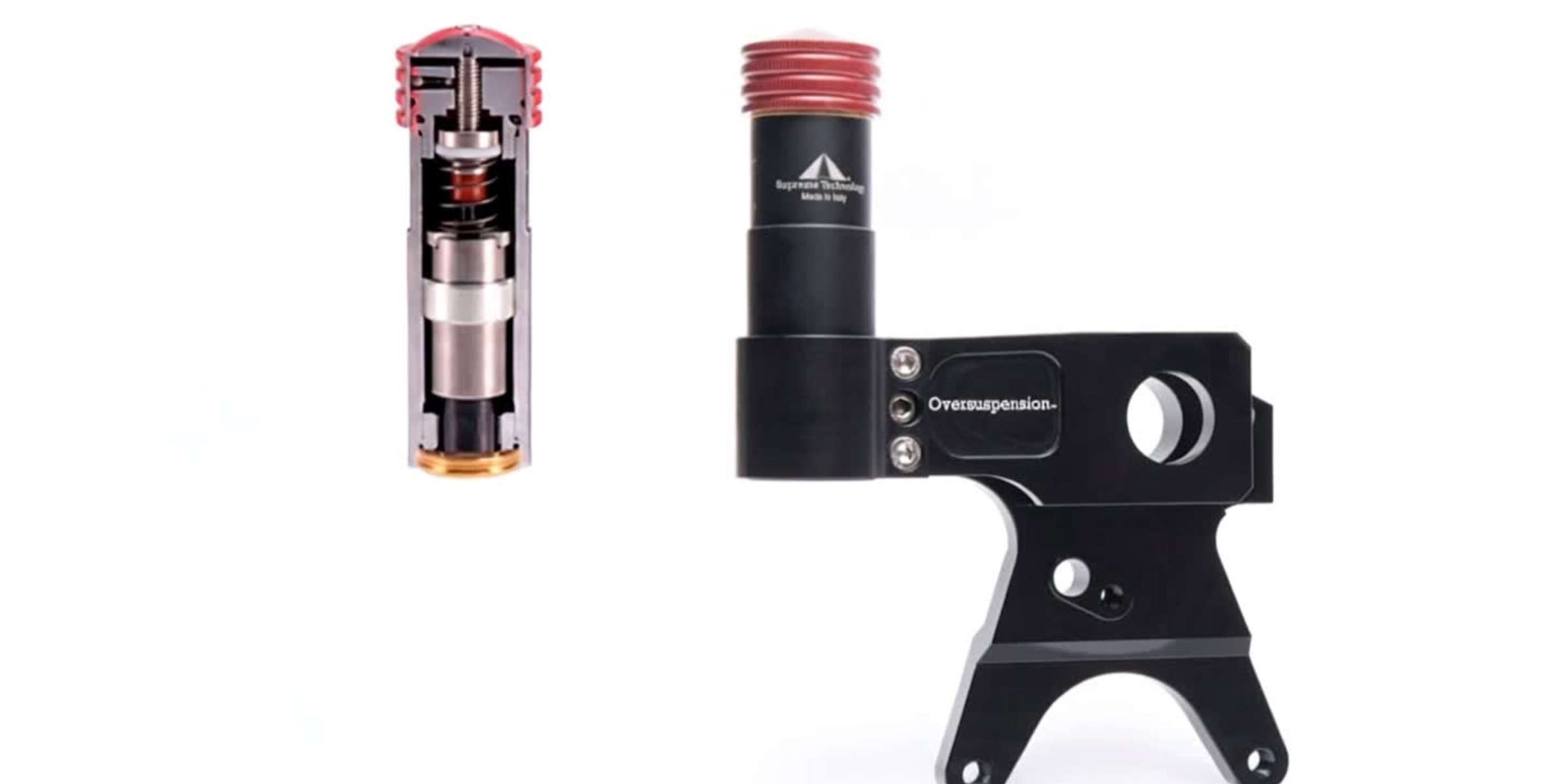
At oversuspension, we work exactly in that interval. Because if the tire maintains contact with the asphalt, if the suspension responds before the problem occurs, that instant never comes.
And your body can stay where it wants to be: in pleasure mode.