
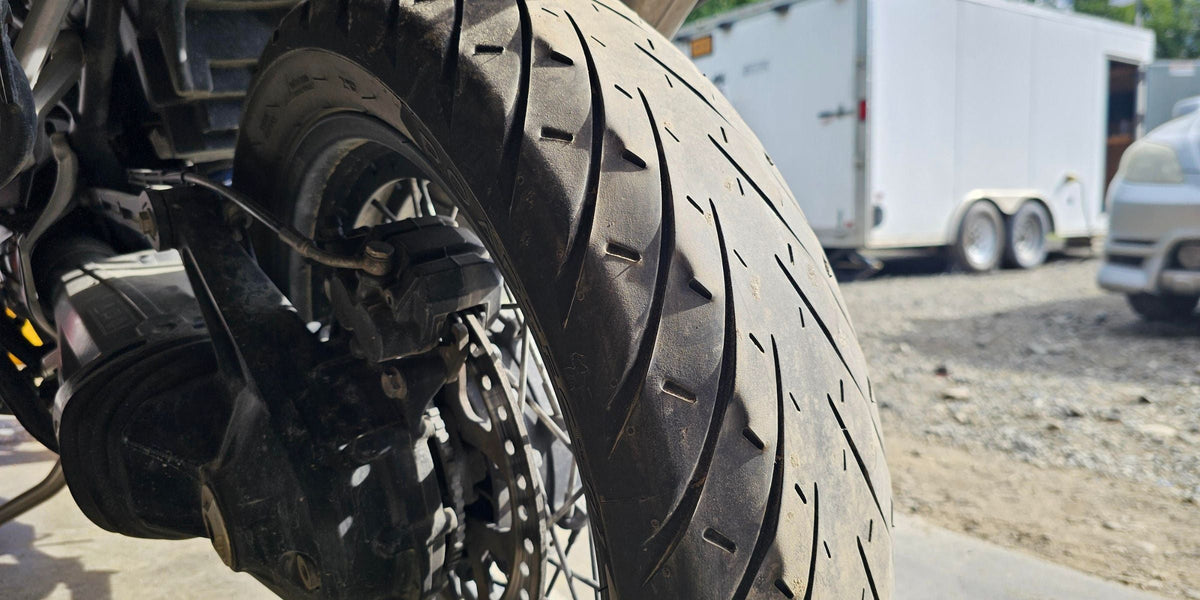
Cupping: why your tire wears unevenly (and it's not always the pressure)
You run your hand over the tire and it doesn't feel smooth: you notice ripples, steps, or unevenly worn areas, like fish scales. This irregular wear has a name—"cupping"—and it is not normal. It is the signature of a problem, and it is worth understanding which one, because a tire is expensive and this type of wear sends it to the bin well before its time.
What cupping is and how to recognize it
Cupping is a wavy wear pattern: the tread wears down in alternating valleys and ridges instead of wearing evenly. To the touch, it feels like a stepped surface; while driving, it usually translates into increasing road noise and vibration. Once it appears, it tends to accelerate: the already worn areas hit the ground harder and aggravate the pattern.
The causes everyone checks
The usual list is correct and must be ruled out: incorrect inflation pressure—especially below the recommended level—, worn wheel bearings, poorly maintained suspension that doesn't dampen as it should, poor balancing, and very aggressive driving with sharp braking and acceleration. All of this generates or aggravates cupping and all of it must be checked.
But there is one factor that almost no guide mentions and that acts underneath all of the above.
Bounce as the underlying cause of irregular wear
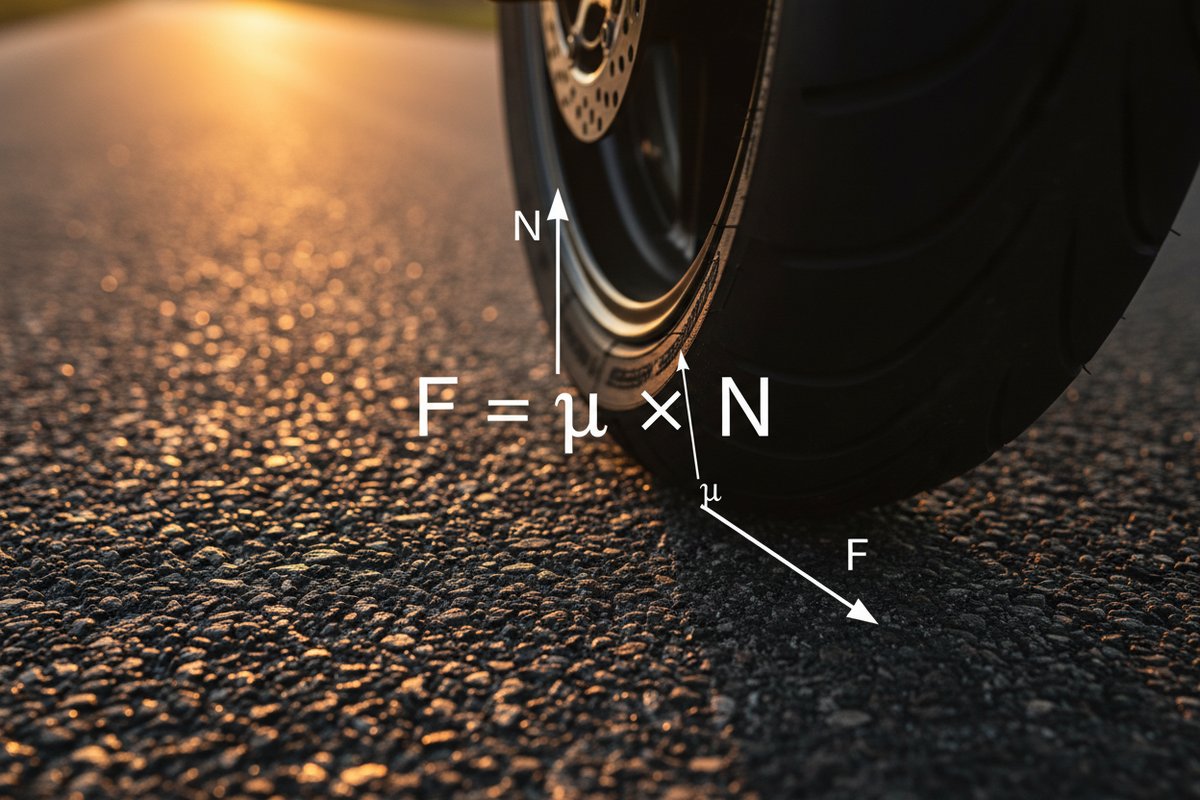
A tire wears evenly when it maintains constant and regular contact with the ground. Cupping appears when that contact becomes intermittent: the rubber touches the ground, lifts off, and touches again. And that is exactly what happens with tire bounce.
The tire is a spring: compressed air inside an elastic casing that, with every bump, bounces without any internal mechanism to control it. Each micro-lift and each re-contact prints an uneven load pattern onto the rubber: some areas press down with more force than others, cycle after cycle, kilometer after kilometer. The result, over time, is cupping. The hysteresis of the rubber itself explains why that intermittent contact translates into wear.
That is why you can have perfect pressure, new bearings, and suspension that is tuned, and still see cupping appear: if the tire bounces, the contact is never entirely regular.
Less bounce, more uniform wear, longer-lasting tires
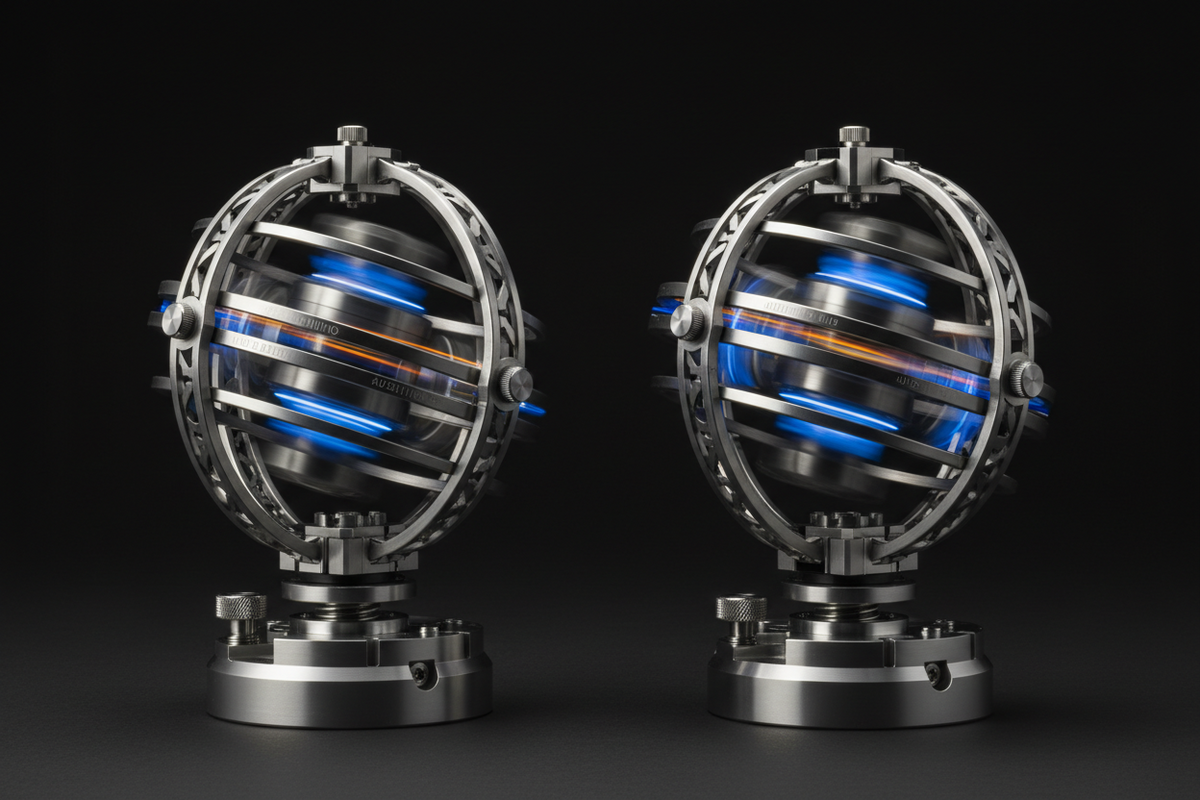
Here the argument ceases to be just about safety and becomes about your wallet. By keeping the tire in constant contact with the ground, the Oversuspension Gravitational Resonator reduces the uneven load pattern that generates cupping. More regular contact means more uniform wear, and more uniform wear means a tire that reaches the end of its real useful life instead of ending up in the bin half-used. It is one of the invisible bills that bounce forces you to pay.
If your tire is wearing down in scales and you have already checked the pressure, bearings, and suspension, look deeper: the wear may not be coming from a faulty component, but from contact with the ground that was never constant.