Skip to content

Cart

Your cart is empty

Article: Resonance: the force that collapses bridges and the one that keeps you glued to the ground

Resonancia: la fuerza que derriba puentes y la que te mantiene pegado al suelo

Resonance: the force that collapses bridges and the one that keeps you glued to the ground

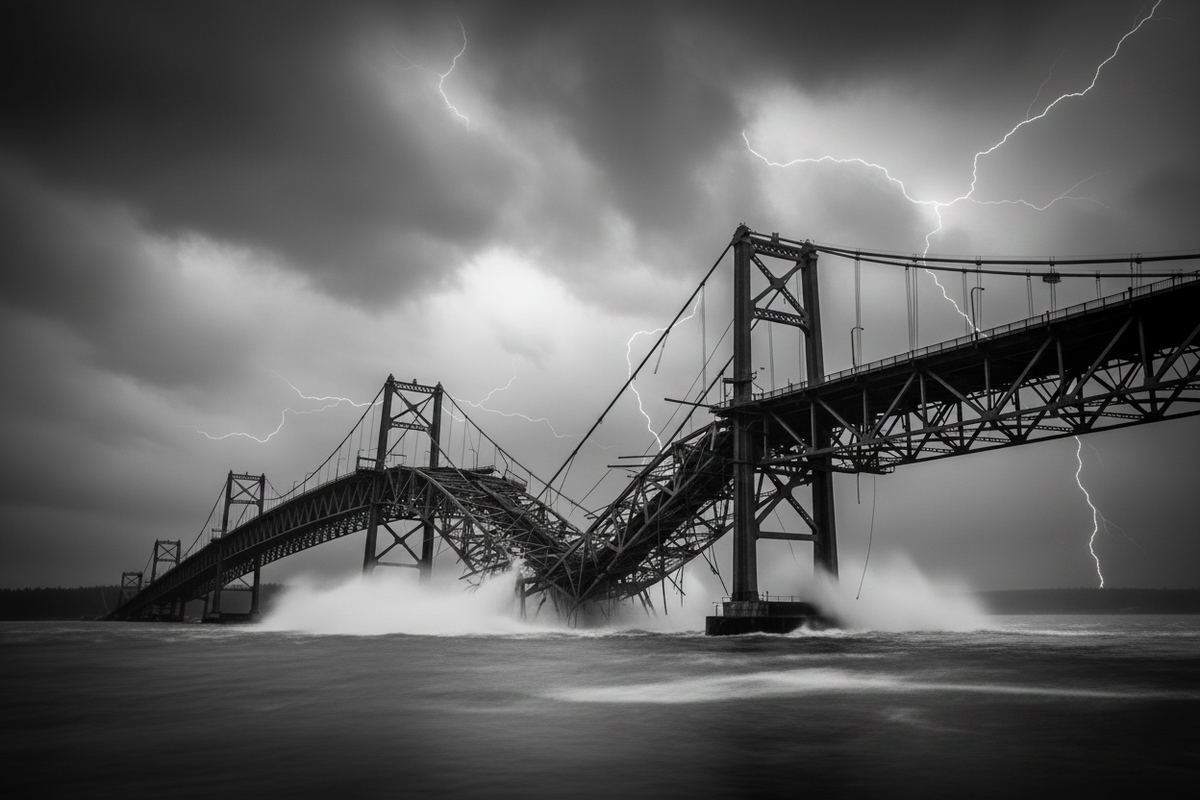
In 1940, the Tacoma Narrows Bridge twisted until it was destroyed by a moderate wind that should never have brought it down. It wasn't brought down by the force of the wind. It was brought down by resonance: the coincidence between the frequency of the wind and the natural frequency of the bridge, which amplified every oscillation until collapse.

Resonance is one of the most powerful and least understood forces in physics. It can destroy a steel bridge. And, used well, it can keep your motorcycle tire glued to the ground.

The same physics, two opposite results

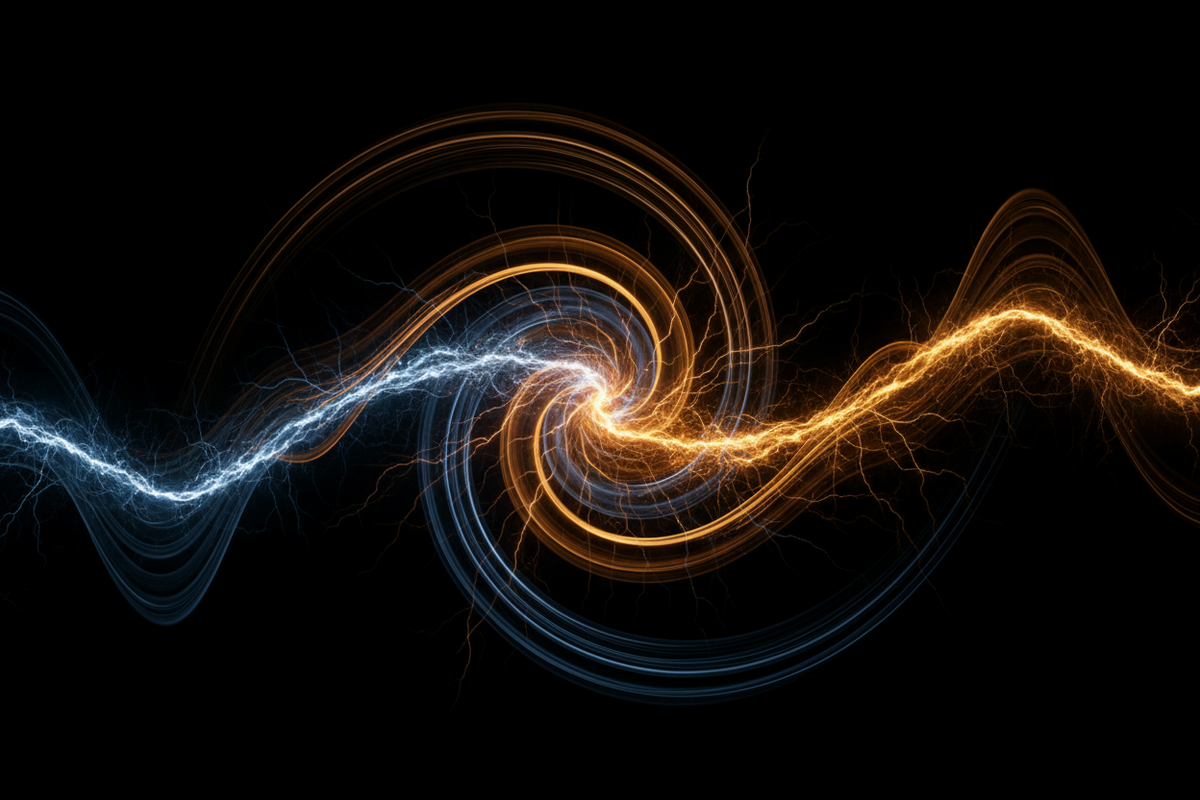
When two oscillations coincide in phase—when they rise and fall at the same time—their energies add up. That is what destroyed Tacoma: each gust arrived just as the bridge was already moving in that direction, pushing in the same sense, amplifying it. Constructive resonance taken to disaster.

But the principle works just as well in reverse. If instead of adding them you make two oscillations oppose each other—one rises when the other falls—their energies cancel out. That is anti-phase. And it is exactly what the Gravitational Resonator does.

From destroying to stabilizing

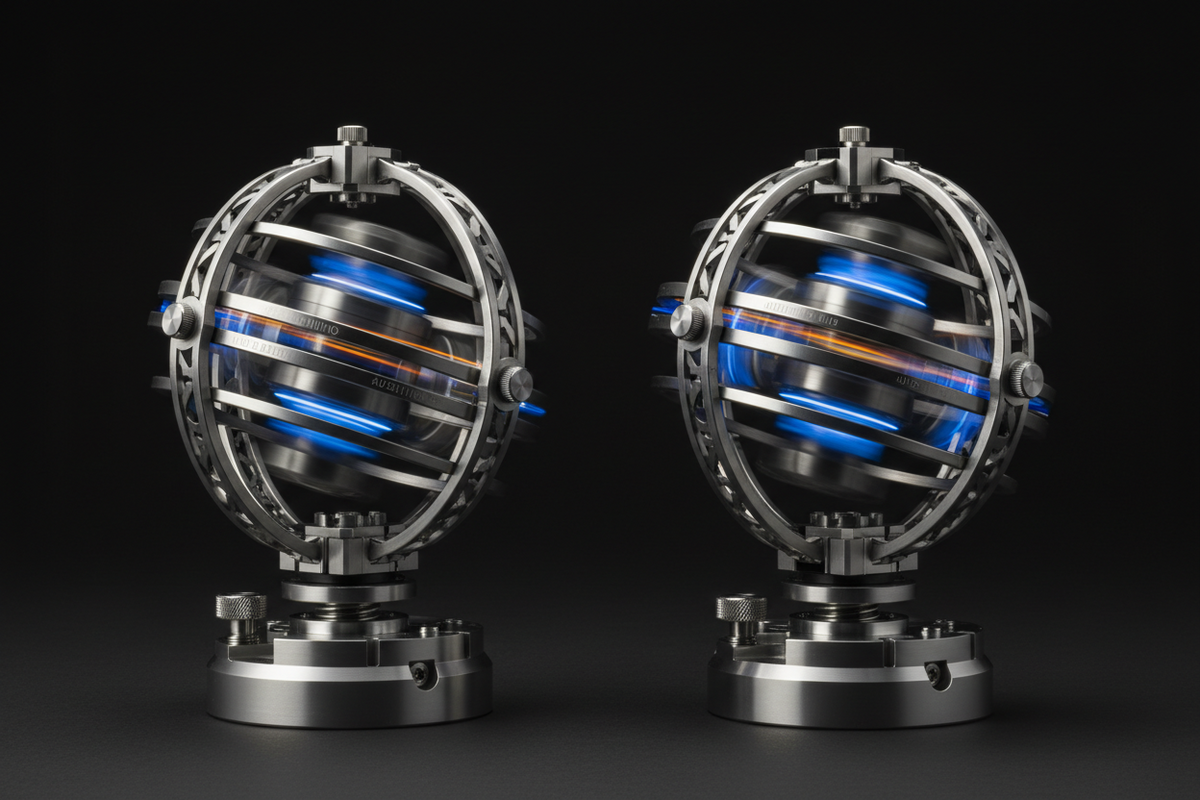
The device's full name is no coincidence: Gravitational Resonator. It is not a damper that dissipates energy as heat. It is a resonator that uses the same principle that brought down Tacoma, but turned 180 degrees.

When the tire bounces, it generates an oscillation at a certain frequency. The mass of the Resonator enters into oscillation in anti-phase with it: it moves in the opposite direction, with the frequency and amplitude calculated to cancel the bounce at the instant it is produced. The same resonance that amplifies when it coincides, nullifies when it opposes.

Physicists Giuliano Preparata and Emilio Del Giudice—whom Nicola cites as one of his sources—dedicated their careers to studying how the forces of a system can work in coherence instead of in conflict. The Resonator is that idea made metal: it doesn't fight against the energy of the bounce, it puts it in opposite phase so that it cancels itself out.

Tacoma fell because no one controlled its resonance. Your tire stays glued to the ground because the Resonator controls its own.

And it relies on the fact that energy is neither created nor destroyed, it is only transformed.
FIND YOUR KIT

FIND YOUR KIT HERE

Blog posts

El precio del rebote: lo que te cuesta en dinero, en seguridad y en tu propio cuerpo

The price of the rebound: what it costs you in money, in safety, and in your own body

Rear-wheel bounce comes with three invisible costs: wear and tear on tires, drivetrain, and suspension; loss of traction, braking, and stability; and the physical fatigue the vibration leaves in yo...

Read more
Por qué la naturaleza resolvió esto antes que la ingeniería

Why did nature solve this before engineering

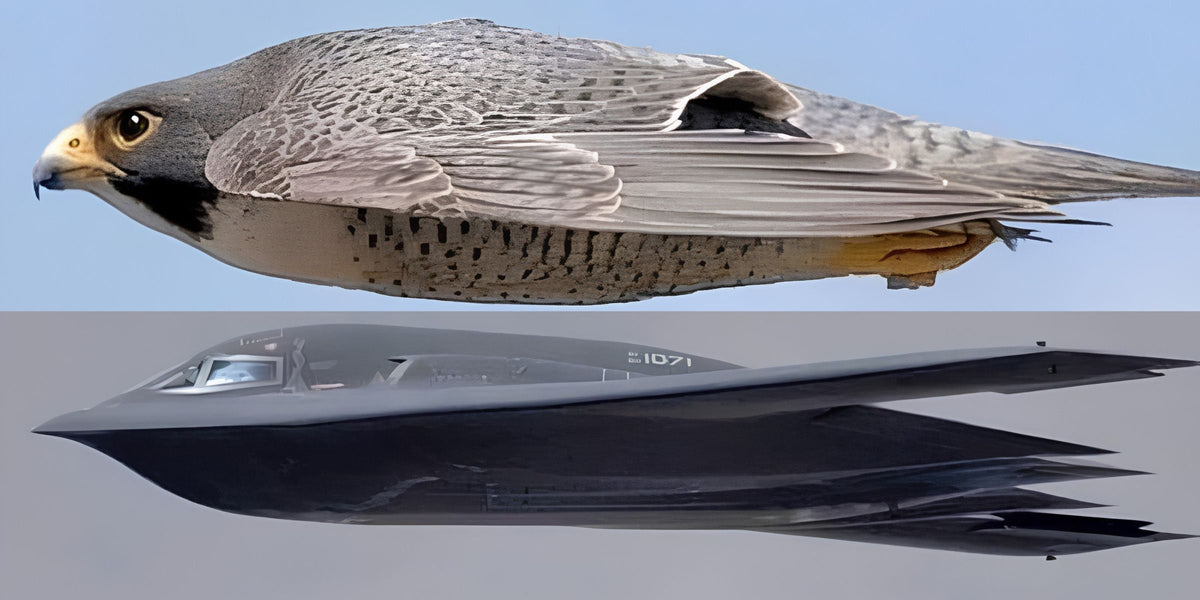
The peregrine falcon applies aerodynamics it never studied. We explain why physics works whether we understand it or not, and how changing the point of observation solved the tire bounce.

Read more
Resonancia: la fuerza que derriba puentes y la que te mantiene pegado al suelo

Resonance: the force that collapses bridges and the one that keeps you glued to the ground

Resonance destroyed the Tacoma Narrows Bridge in 1940. The same physical principle, in anti-phase, is what keeps your tire glued to the road. Here is how.

Read more
La energía no se crea ni se destruye. Por eso tu rebote tiene que ir a algún sitio.

Energy is neither created nor destroyed. That's why your rebound has to go somewhere.

The first law of thermodynamics explains why your tire's bounce doesn't just disappear. We explain how the Gravitational Resonator redirects it toward grip instead of letting it turn into damage.

Read more
El coeficiente de fricción no es una constante: es una negociación entre goma y suelo

The coefficient of friction is not a constant: it's a negotiation between rubber and road

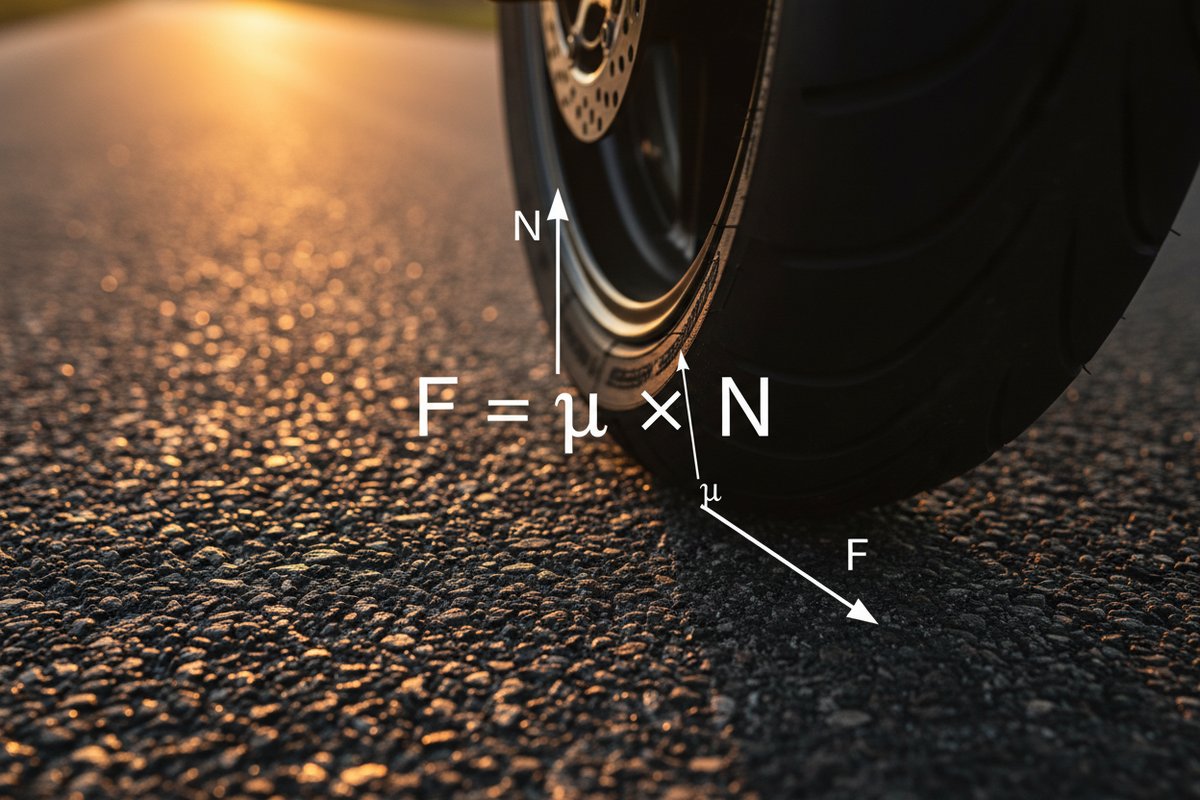
Grip is not a fixed number: it depends on the force pressing the rubber against the ground, and rebound makes it fluctuate. We explain why stabilizing that force is what maintains real grip.

Read more
El giroscopio invisible: por qué tu moto se mantiene en pie sola (y qué la desestabiliza)

The invisible gyroscope: why your motorcycle stays upright on its own (and what makes it unstable)

A spinning wheel is a gyroscope that keeps your bike stable, but only while it’s on the ground. We explain how tire bounce interrupts that effect, and how the Resonator keeps it anchored.

Read more

free returns

lifetime warranty

try it risk-free

payment in installments