Skip to content

Cart

Your cart is empty

Article: Impulse and Momentum: Why Not Just How Much Force, but When, Matters

Impulso y cantidad de movimiento: por qué importa no solo cuánta fuerza, sino cuándo

Impulse and Momentum: Why Not Just How Much Force, but When, Matters

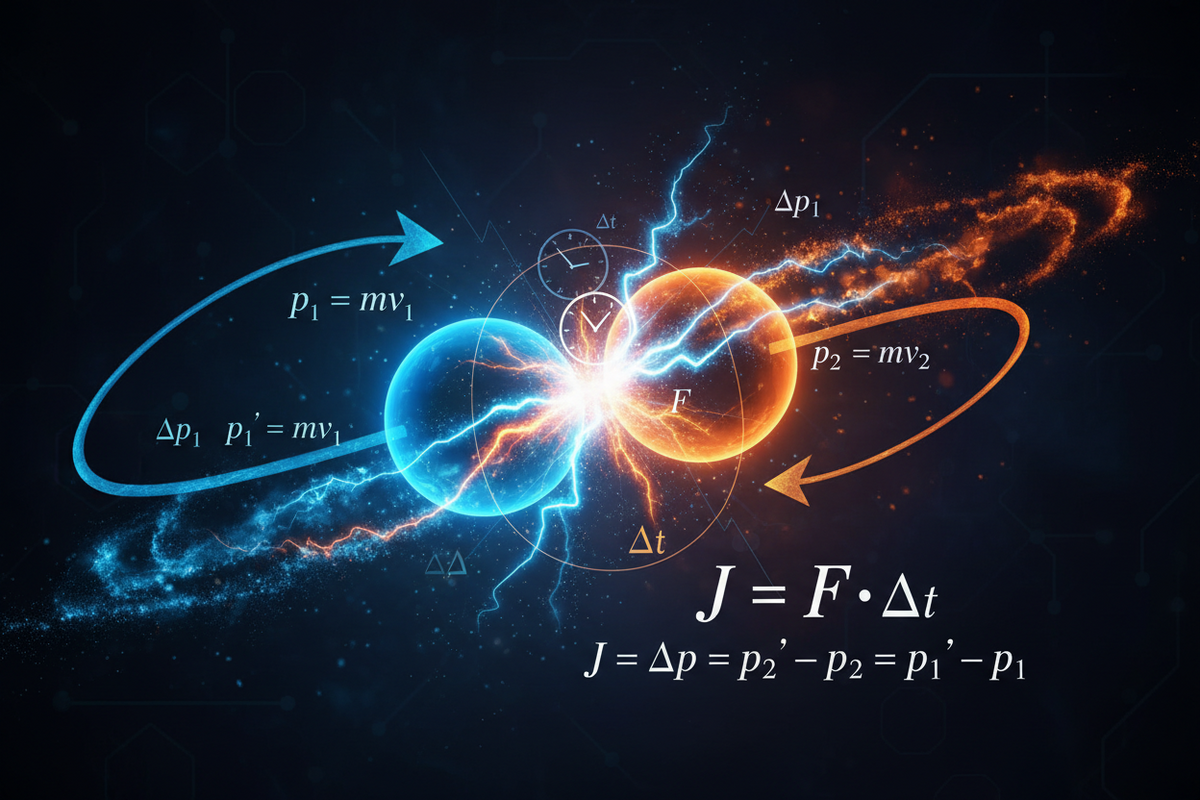
Two identical forces can have opposite effects depending on the exact moment they are applied. Push a swing at the right moment of its arc and you lift it higher and higher with minimal effort. Push at the wrong moment and you stop it. The force is the same. What changes everything is the when.

This idea—which is studied in physics as impulse and momentum—is the key to why the Gravitational Resonator works where a conventional suspension arrives too late.

Impulse is force applied at the right moment

Impulse is the product of a force and the time during which it acts, and it determines how much an object's momentum changes. To stop a tire's upward bounce, it is not enough to apply a large force: it must be applied in the exact time window in which the tire begins to lift off. Outside that window, the same force is of little use, or even throws the system out of sync.

A conventional hydraulic suspension has a structural problem with the when. Its response chain—oil passing through valves—introduces a delay. By the time it generates its corrective force, the window has already passed: the tire has already lifted off. It’s like pushing the swing always half a second too late.

The Resonator applies impulse in phase

The Gravitational Resonator is designed to act within that window, not after. Its mass enters into motion with the same event that generates the bounce, without a hydraulic chain to delay it, and returns its impulse downward the instant the tire tends to rise. Correct force, correct moment: impulse applied in phase with the problem.

That is why a relatively small mechanical device can counteract such an energetic phenomenon. It does not win by brute force—a suspension moves much more energy. It wins by timing. Like the child who lifts the swing to the clouds by pushing gently but always at the exact instant.

In tire rebound, the winner is not whoever applies the most force. The winner is whoever applies it at the right moment.

That is why the system's operating frequency matters so much.
FIND YOUR KIT

FIND YOUR KIT HERE

Blog posts

El precio del rebote: lo que te cuesta en dinero, en seguridad y en tu propio cuerpo

The price of the rebound: what it costs you in money, in safety, and in your own body

Rear-wheel bounce comes with three invisible costs: wear and tear on tires, drivetrain, and suspension; loss of traction, braking, and stability; and the physical fatigue the vibration leaves in yo...

Read more
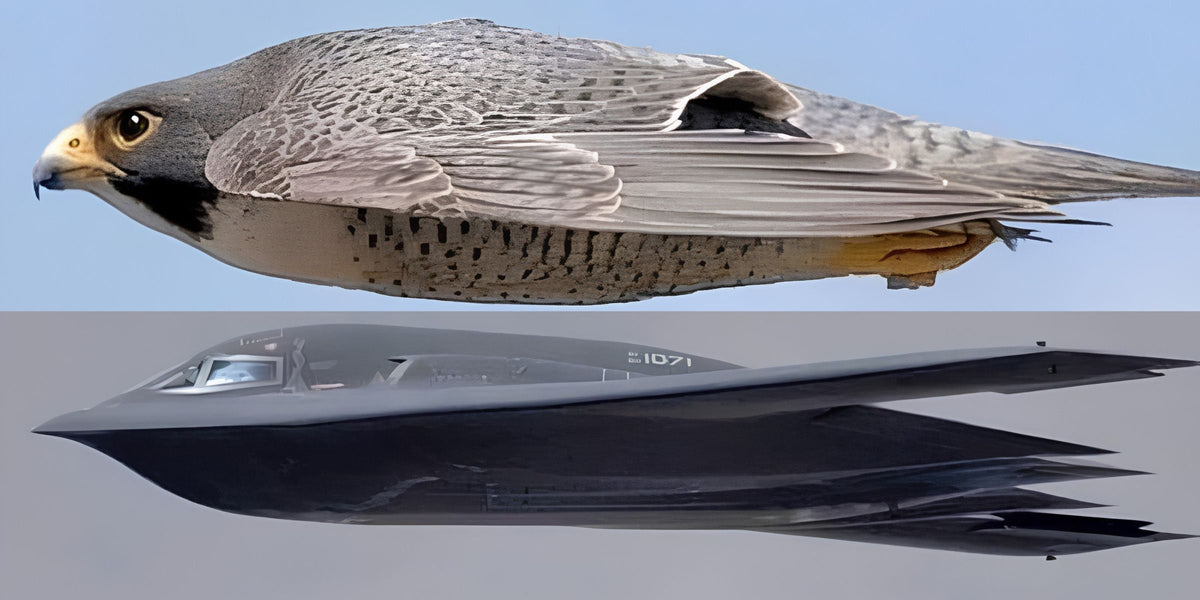
Por qué la naturaleza resolvió esto antes que la ingeniería

Why did nature solve this before engineering

The peregrine falcon applies aerodynamics it never studied. We explain why physics works whether we understand it or not, and how changing the point of observation solved the tire bounce.

Read more
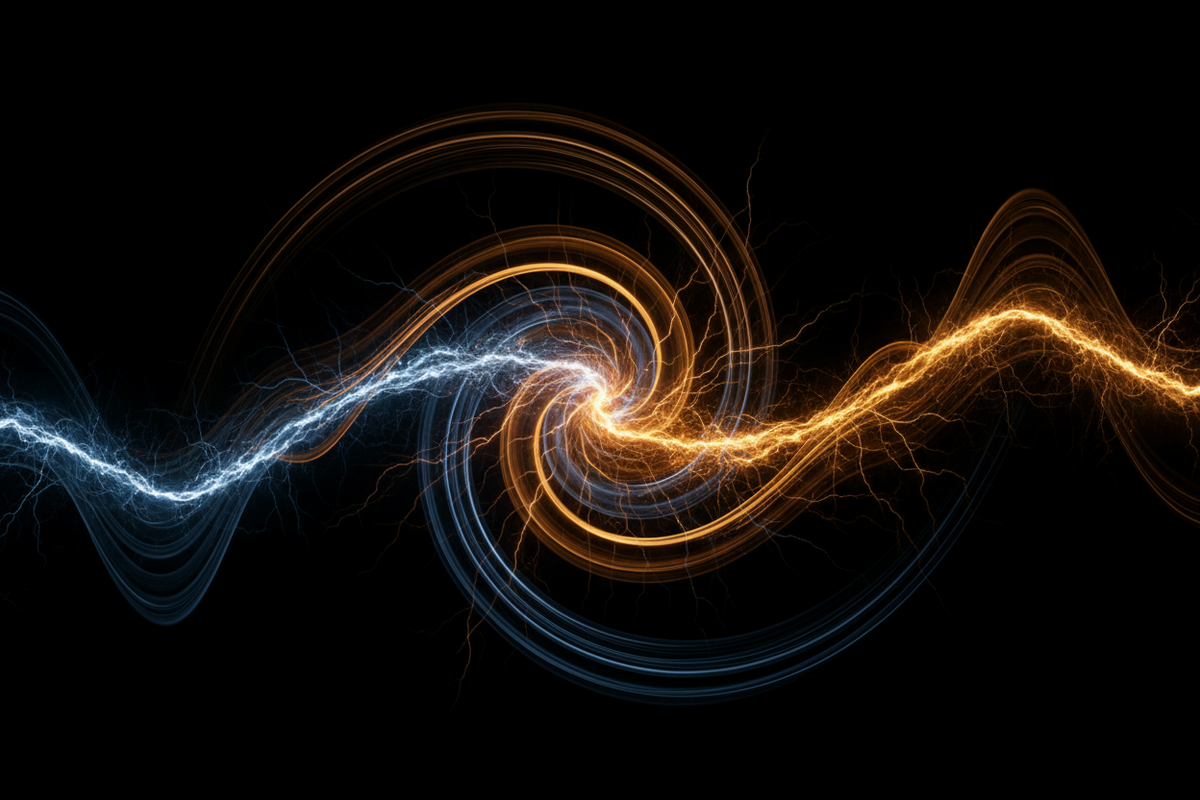
Resonancia: la fuerza que derriba puentes y la que te mantiene pegado al suelo

Resonance: the force that collapses bridges and the one that keeps you glued to the ground

Resonance destroyed the Tacoma Narrows Bridge in 1940. The same physical principle, in anti-phase, is what keeps your tire glued to the road. Here is how.

Read more
La energía no se crea ni se destruye. Por eso tu rebote tiene que ir a algún sitio.

Energy is neither created nor destroyed. That's why your rebound has to go somewhere.

The first law of thermodynamics explains why your tire's bounce doesn't just disappear. We explain how the Gravitational Resonator redirects it toward grip instead of letting it turn into damage.

Read more
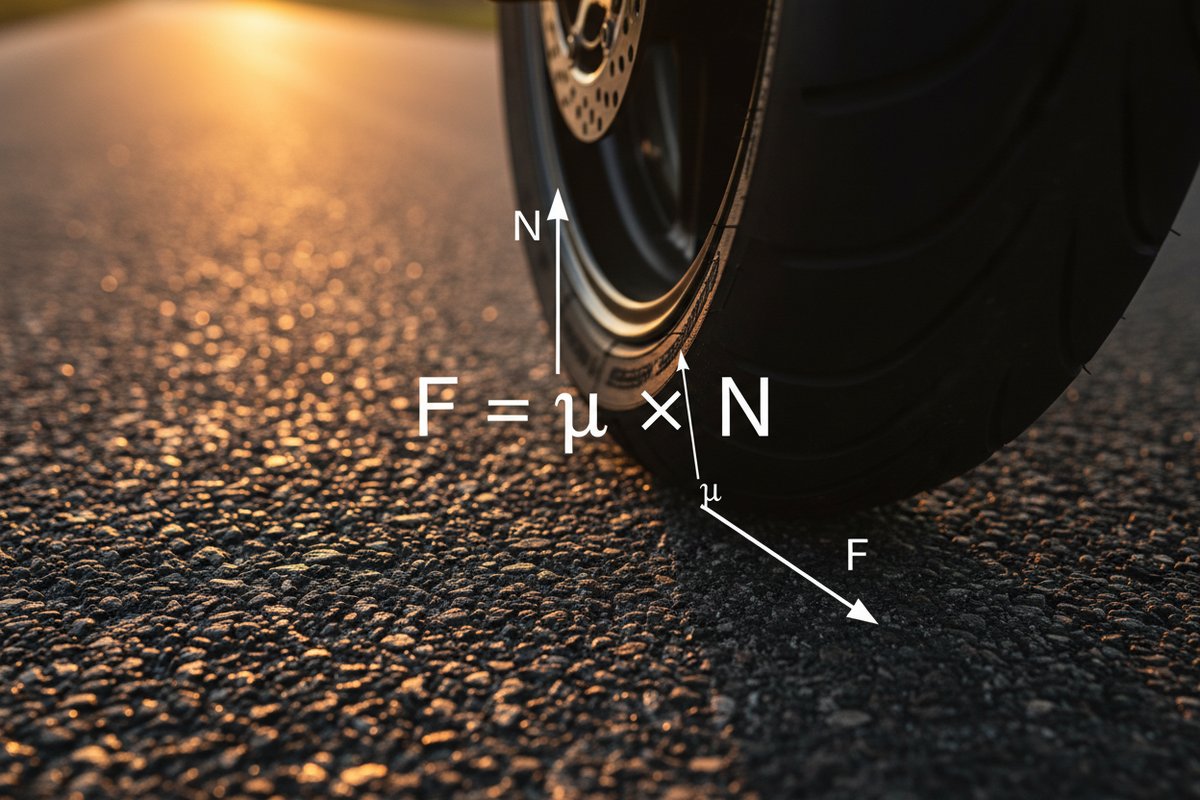
El coeficiente de fricción no es una constante: es una negociación entre goma y suelo

The coefficient of friction is not a constant: it's a negotiation between rubber and road

Grip is not a fixed number: it depends on the force pressing the rubber against the ground, and rebound makes it fluctuate. We explain why stabilizing that force is what maintains real grip.

Read more
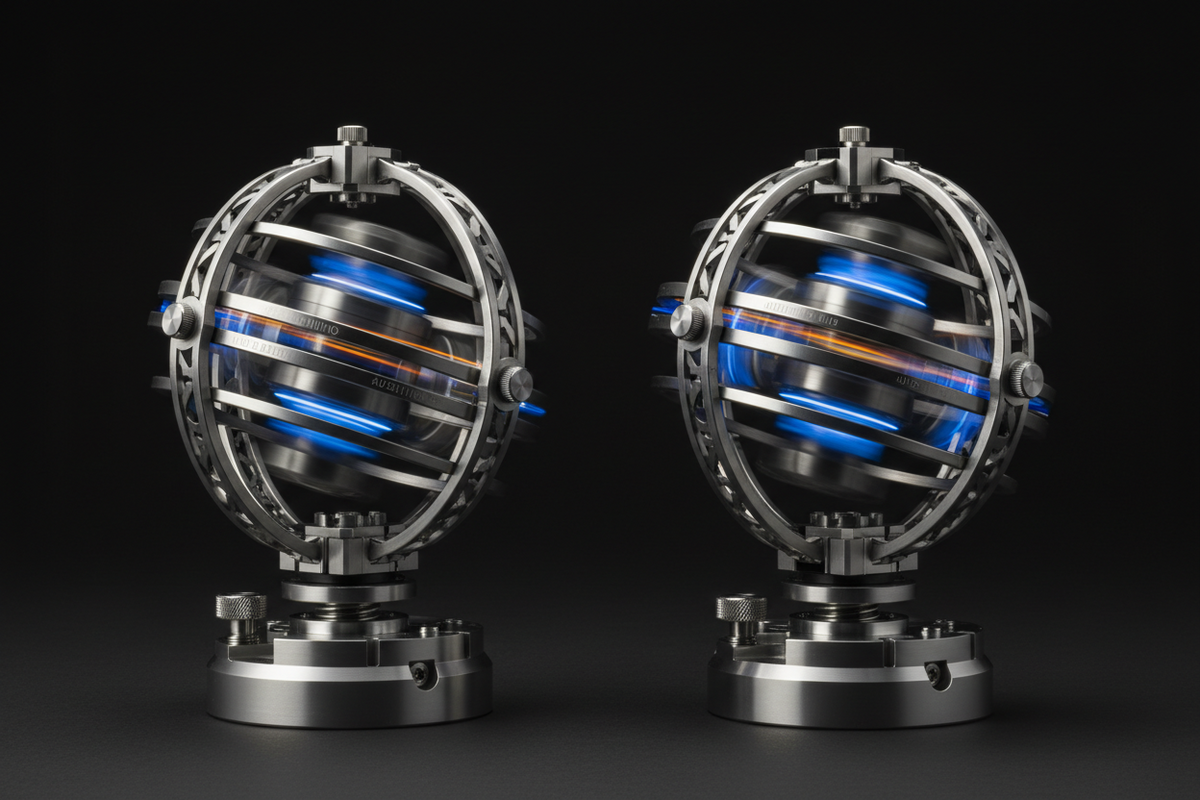
El giroscopio invisible: por qué tu moto se mantiene en pie sola (y qué la desestabiliza)

The invisible gyroscope: why your motorcycle stays upright on its own (and what makes it unstable)

A spinning wheel is a gyroscope that keeps your bike stable, but only while it’s on the ground. We explain how tire bounce interrupts that effect, and how the Resonator keeps it anchored.

Read more

free returns

lifetime warranty

try it risk-free

payment in installments