
Highside
Highside: The Unforgiving Crash
There are motorcycle crashes that allow for some leeway. They happen slowly, they allow for reaction, they leave the rider on the ground with time to process what has happened.
A highside is not one of them.
How a Highside Occurs
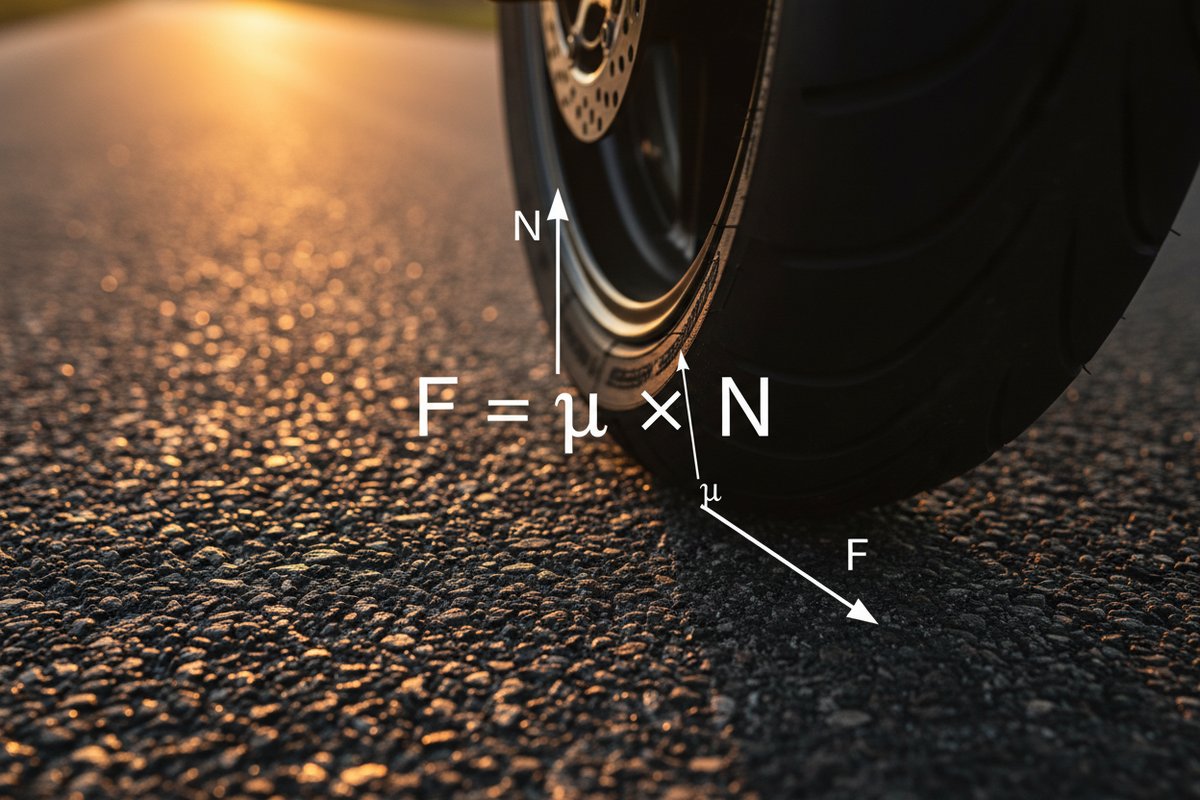
It all starts with a slide. The rear tire loses its lateral grip, and the motorcycle begins to slide towards the outside of the trajectory. At that instant, the rider still has options. The motorcycle is unstable, but the movement is still progressive: there is feedback, and there is still time to attempt a correction.
Then comes the moment that turns a slide into a highside.
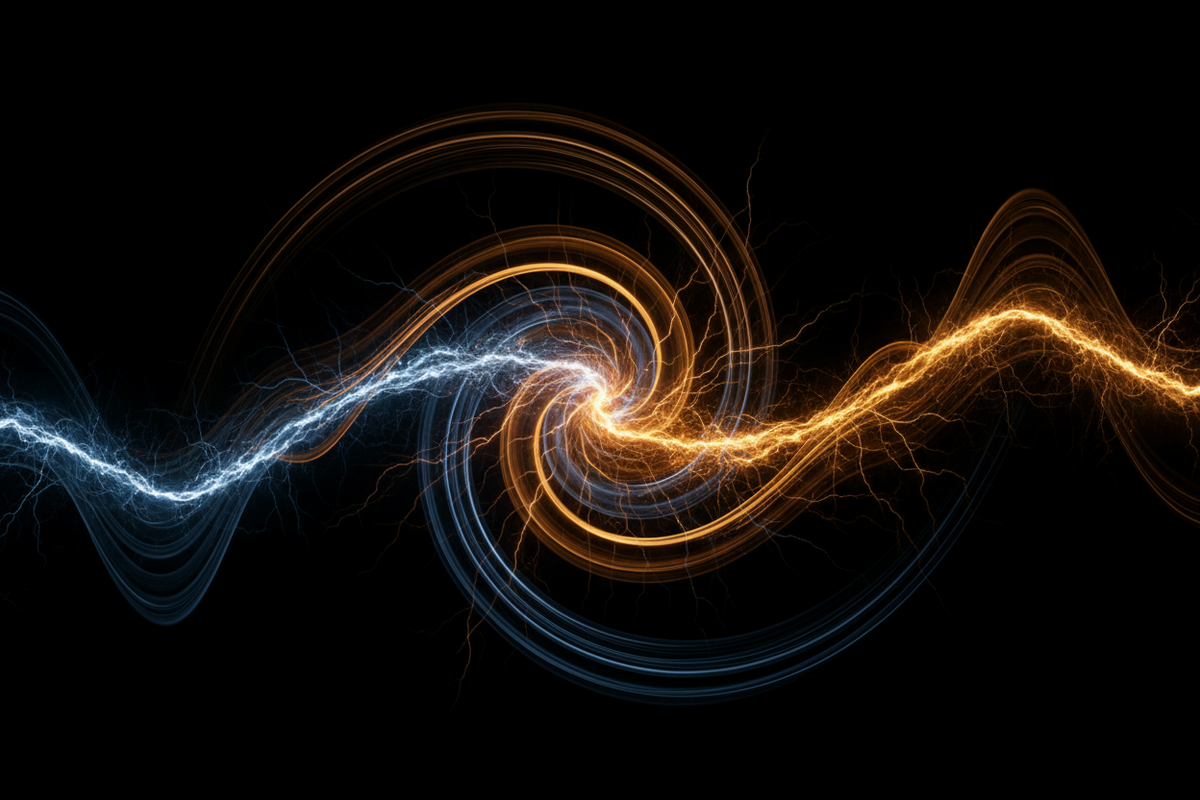
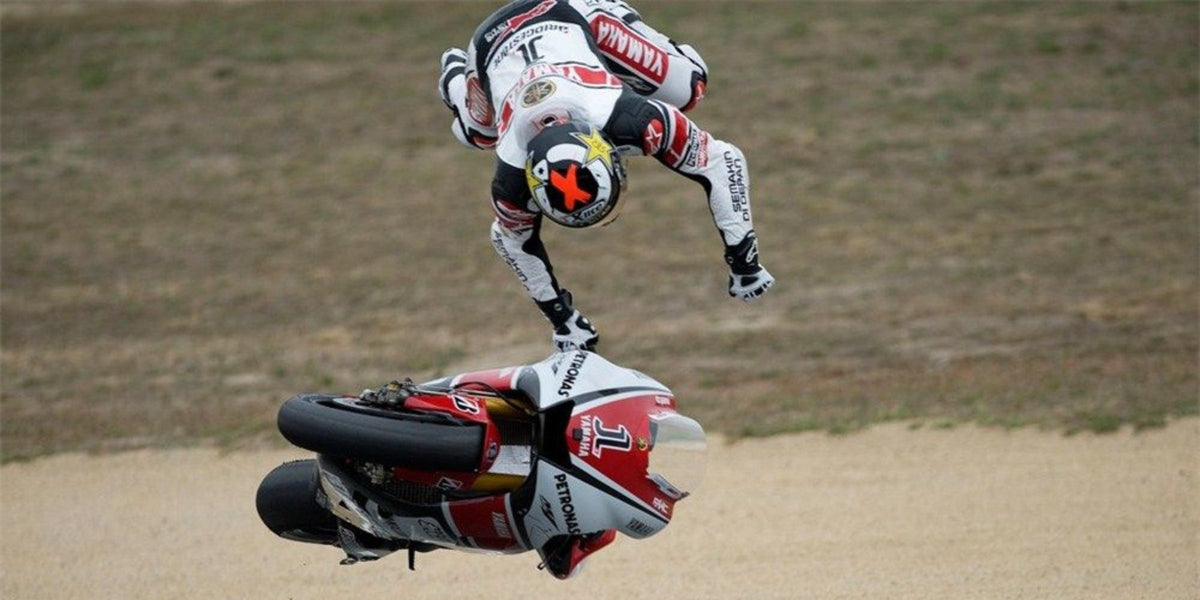
In a fraction of a second, the rear tire abruptly regains grip. Without warning. Without transition. Without time to react. The tire that was sliding suddenly finds traction and realigns with the direction of the motorcycle. All the energy accumulated during the slide — lateral inertia, chassis load, and rotational force — is released almost instantly in a single direction.
Upwards. Towards the rider.
The result is a violent propulsion that launches the rider over the motorcycle. Not to the ground. Over the motorcycle. This movement is known in motorcycling slang as "going over the handlebars": the rider is thrown forward and upward while the motorcycle continues its own path beneath them.
The Physics of Violence
The intensity of a highside is not random. It depends directly on the geometry of the slide at the moment the tire regains grip.
The more perpendicular the slide is to the direction of the motorcycle, the greater the violence of the propulsion.
A gentle slide, with a small angle between the wheel and the trajectory, releases less lateral energy when regaining grip. The highside exists but is less explosive.
A pronounced slide, with the rear wheel almost perpendicular to the direction of travel, accumulates a quantity of lateral energy that, when suddenly released, generates propulsion of extreme violence. In these cases, the rider has no possibility of reaction. The movement occurs in a time interval shorter than any possible human response.
For this reason, the highside is one of the most dangerous falls in motorcycling. Not because of the slide itself, but because of the energy released at the moment of grip recovery. Energy that the rider's body receives completely and instantaneously.
Oversuspension prevents 9 out of 10 highside crashes.
Not by acting on the slide after it has occurred. Not by trying to manage grip recovery when it's already too late. But by eliminating the chain of events that leads to it from the very beginning.
The best protection against a highside is not knowing how to crash. It is not crashing at all.