
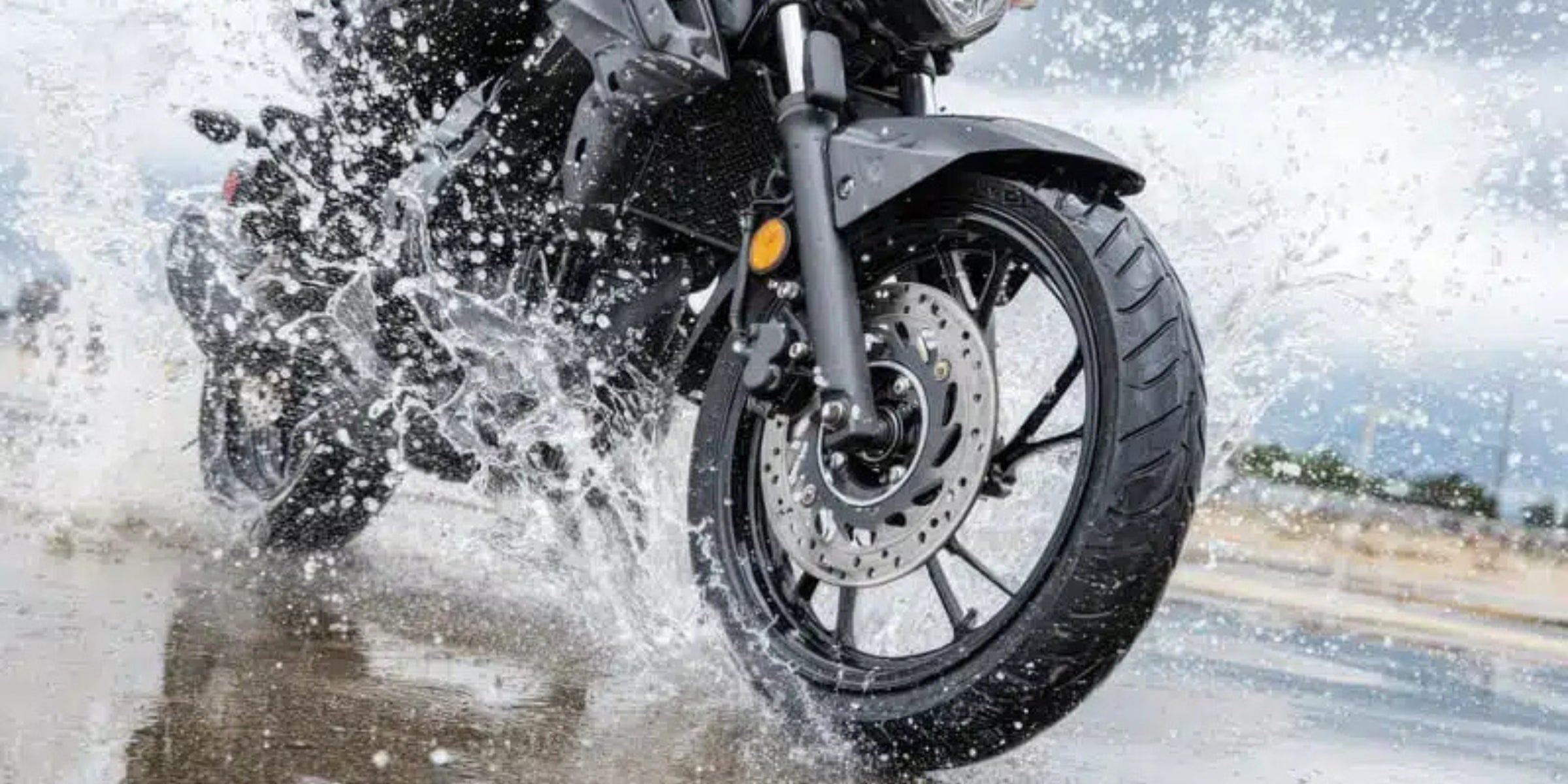
Aquaplaning: what happens before you lose control
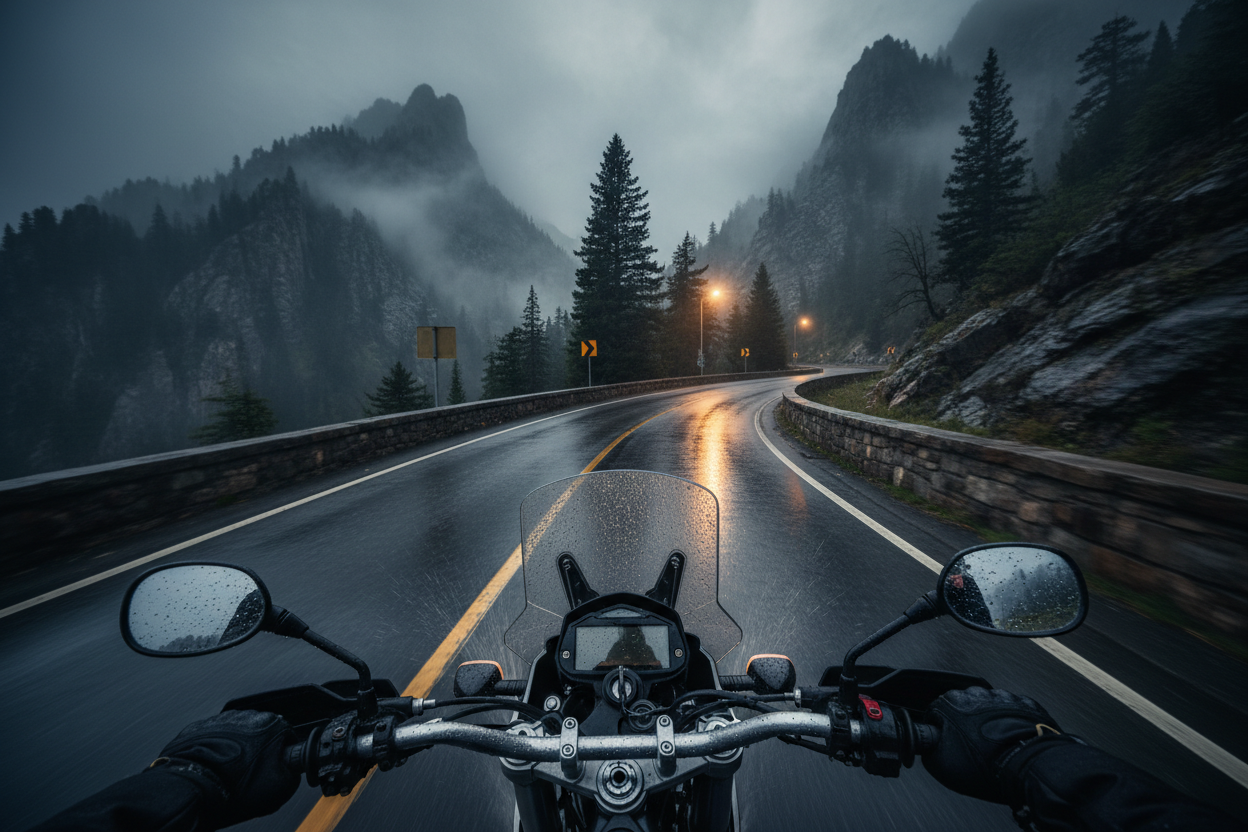
Rain does not instantly eliminate grip.
It happens in stages. The final stage is obvious: the tire has already lost contact. The dangerous stage comes earlier. Grip is still there. But it is breaking away. And the system has no mechanism to detect it.
How wet asphalt works at a physical level.
A dry tire works directly. Rubber touches asphalt. It grips. It generates friction. In the wet, one thing comes between them: water.
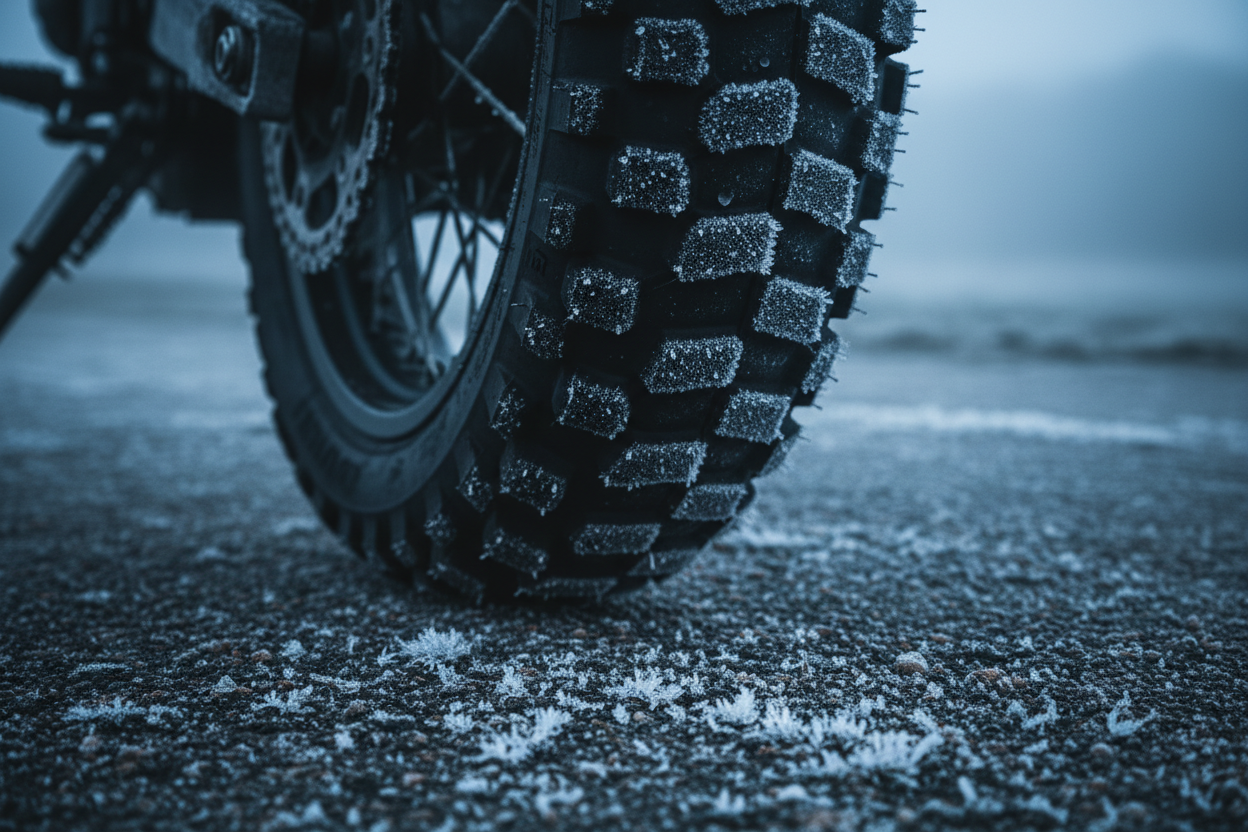
At low speeds, and with good tires, water is manageable. The tread channels push it away. Most of the contact patch stays dry. The rubber can still work. Grip is reduced but not gone.
Above a certain speed, or with too much water, the tire reaches its limit. It cannot evacuate water fast enough. Water builds at the contact point. A hydrodynamic wedge forms between rubber and asphalt. The wheel begins to float.
That is aquaplaning. Not a random loss of control. A physical process. One with warning signs before it reaches the end.
The symptom no one listens to.
Just before the tire loses complete contact with the asphalt, it begins to vibrate.
It is a high-frequency vibration. Weak. Almost imperceptible from the saddle. The tire oscillates because the water wedge is unstable. It forms, breaks, and reforms. The rubber touches the asphalt for a fraction of a second, then bounces away. Grip appears and disappears faster than the rider can consciously detect.
That is the critical moment. Not after control is lost. Before it. When the tire still touches the asphalt, but contact is already intermittent.
Under normal conditions, nothing responds fast enough. The shock absorber is too slow. ABS reacts only when the wheel is already locked or shows a clear speed difference. The rider may feel something strange. But there is not enough information, or enough time, to react usefully.
What changes when there is a gravitational resonator in the system.
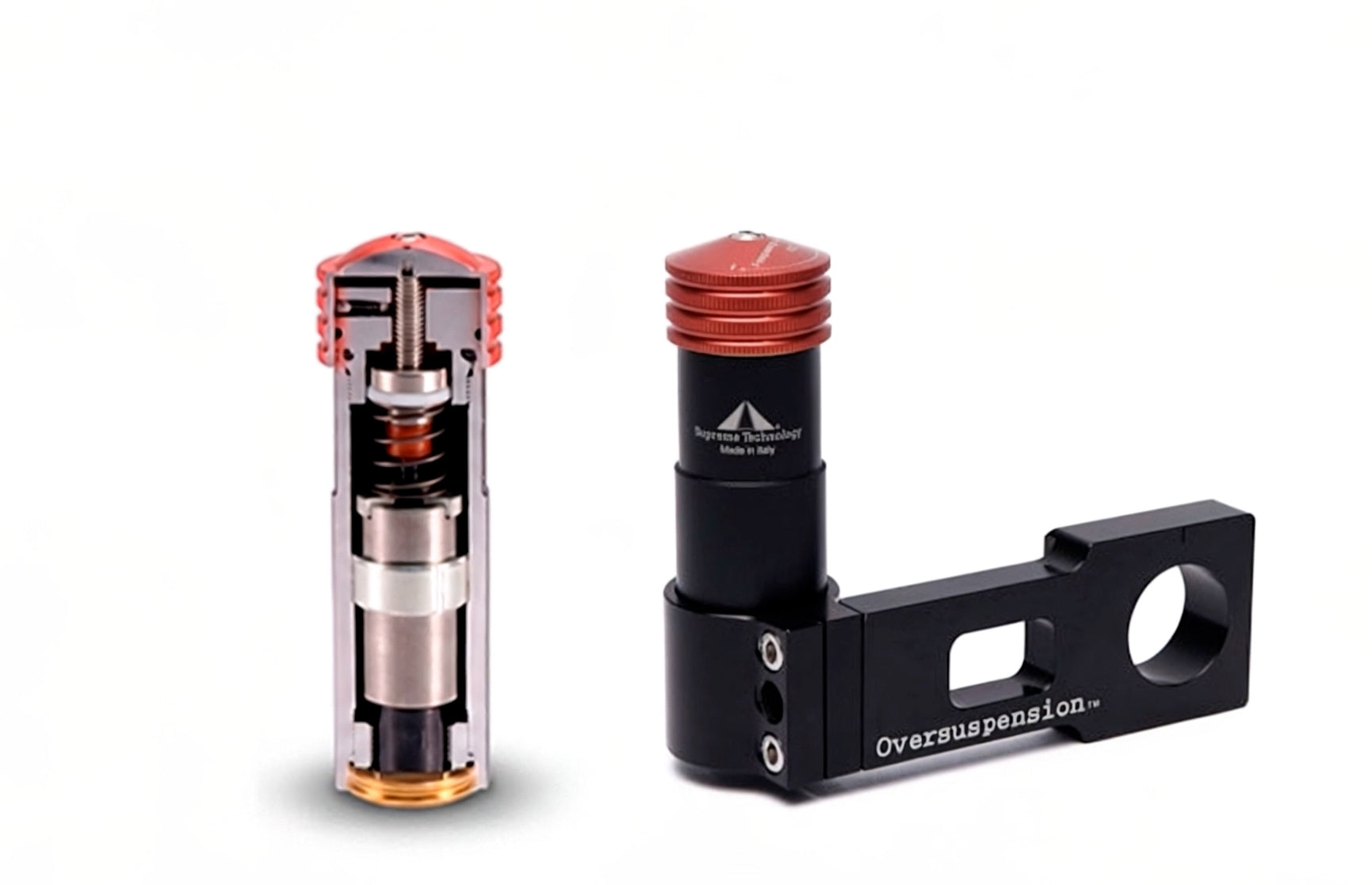
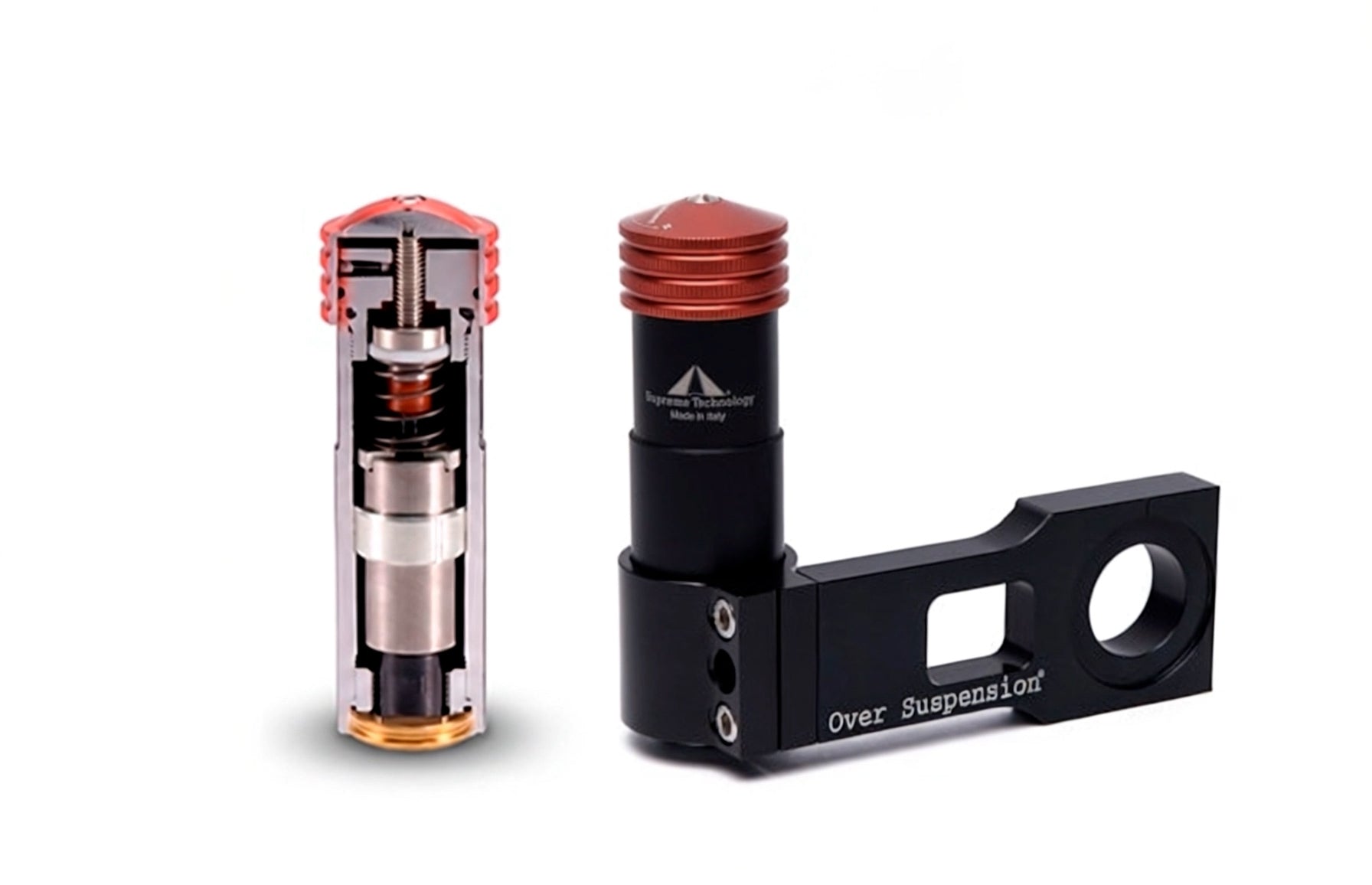
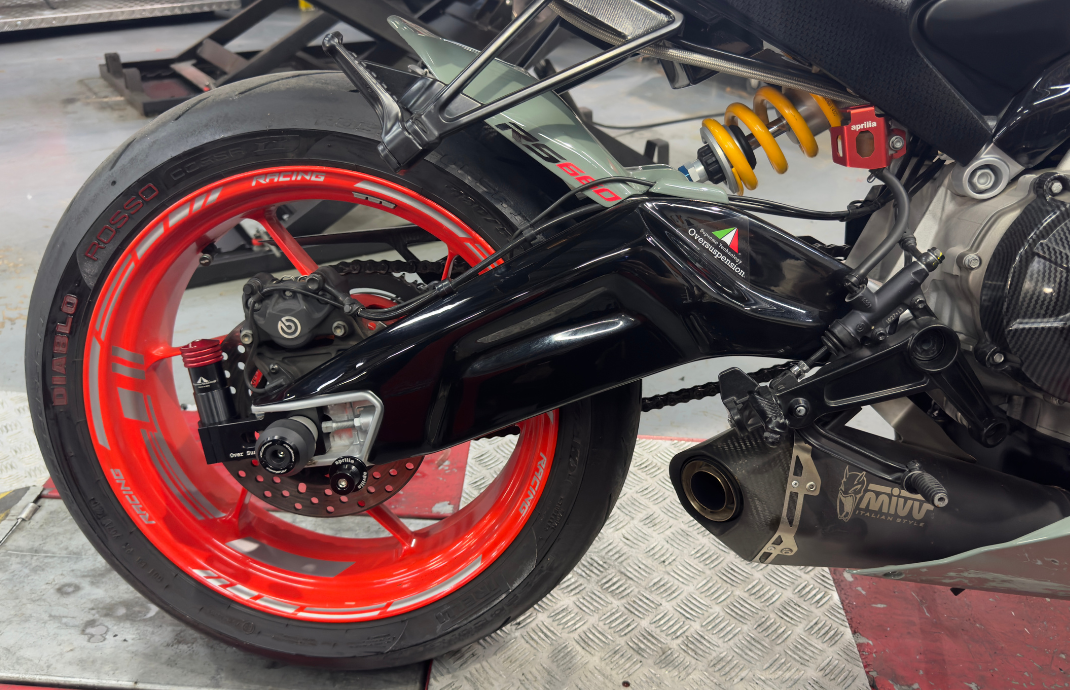
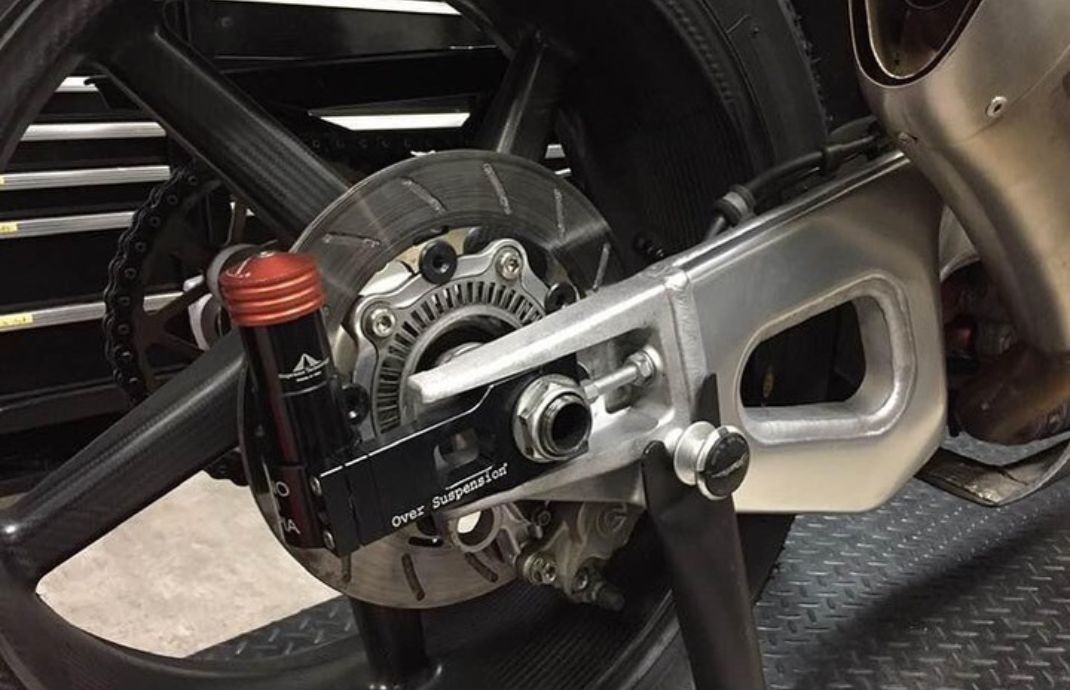
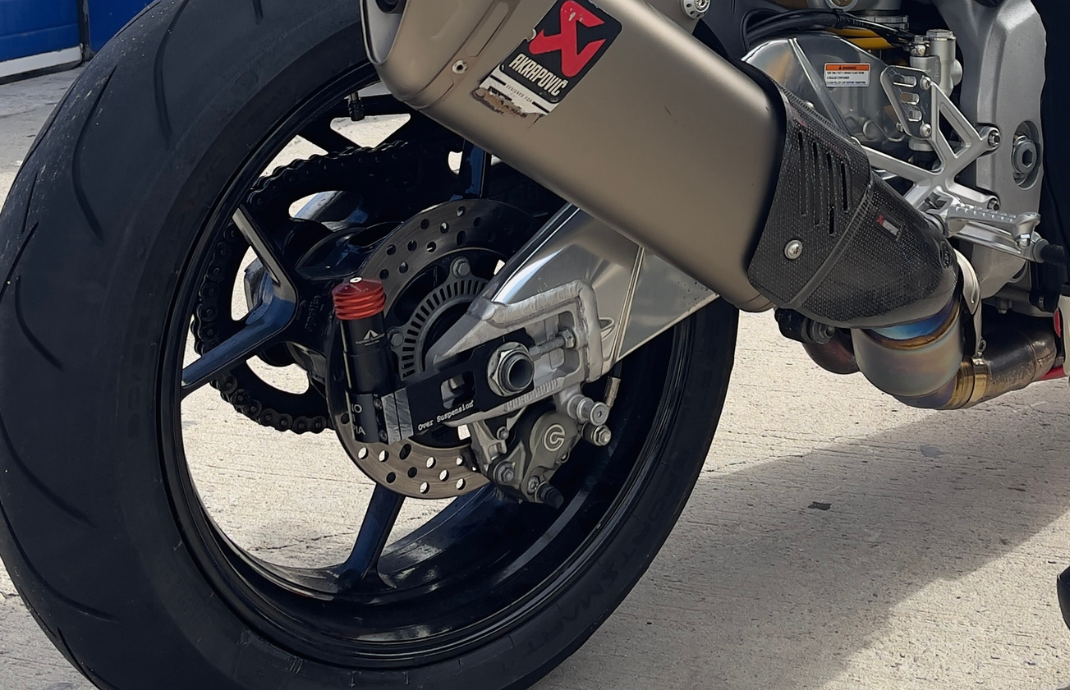
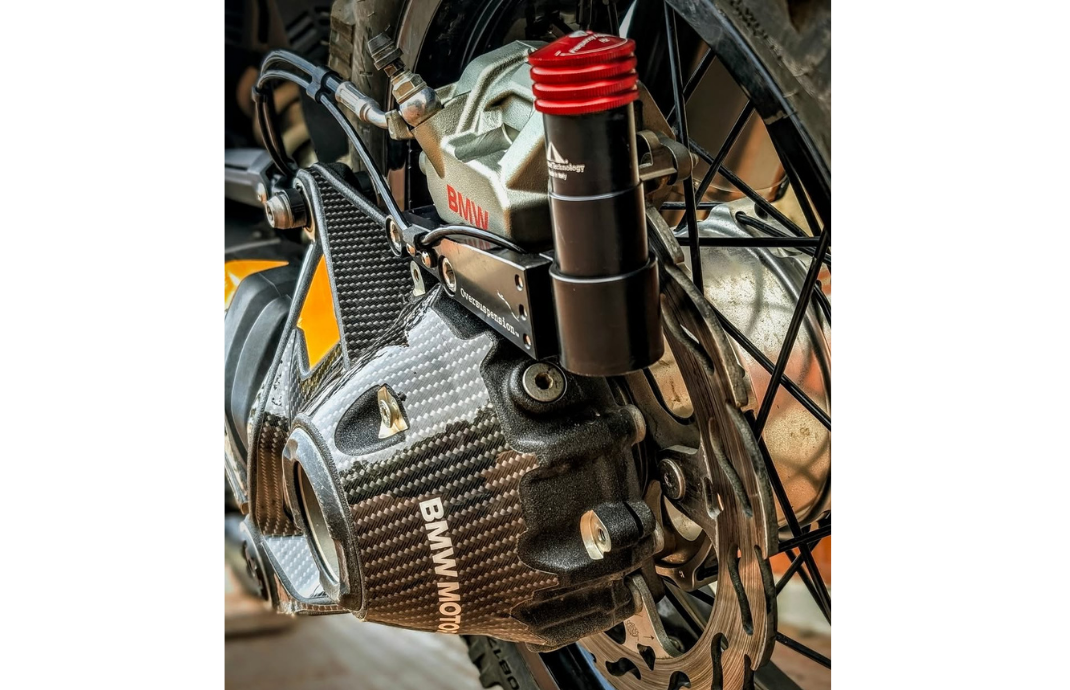
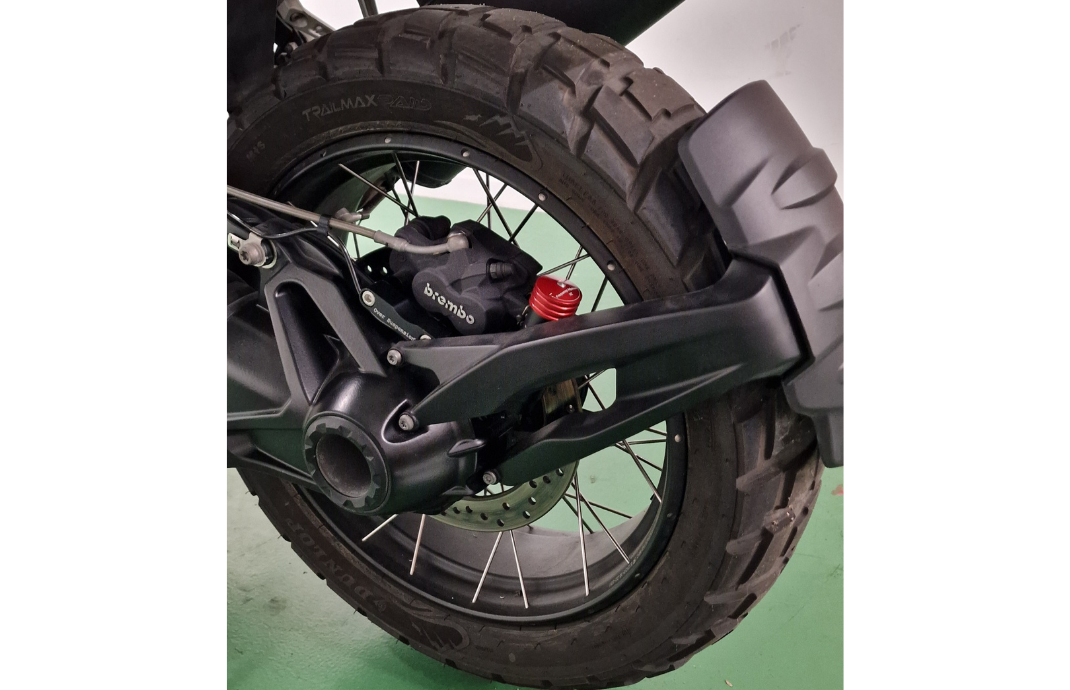
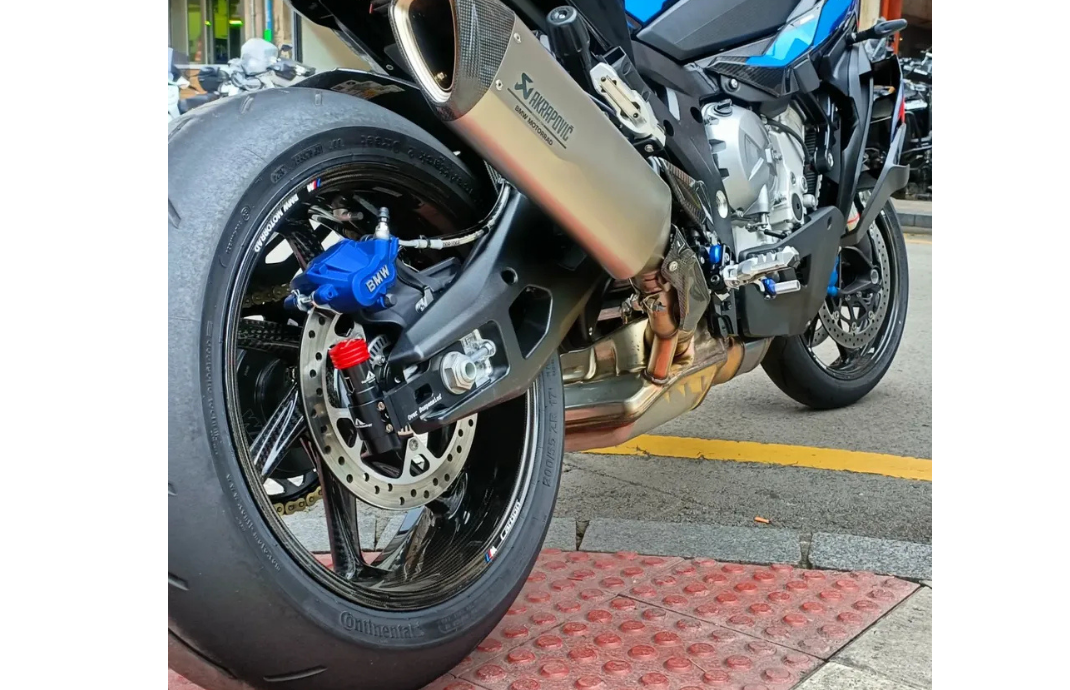
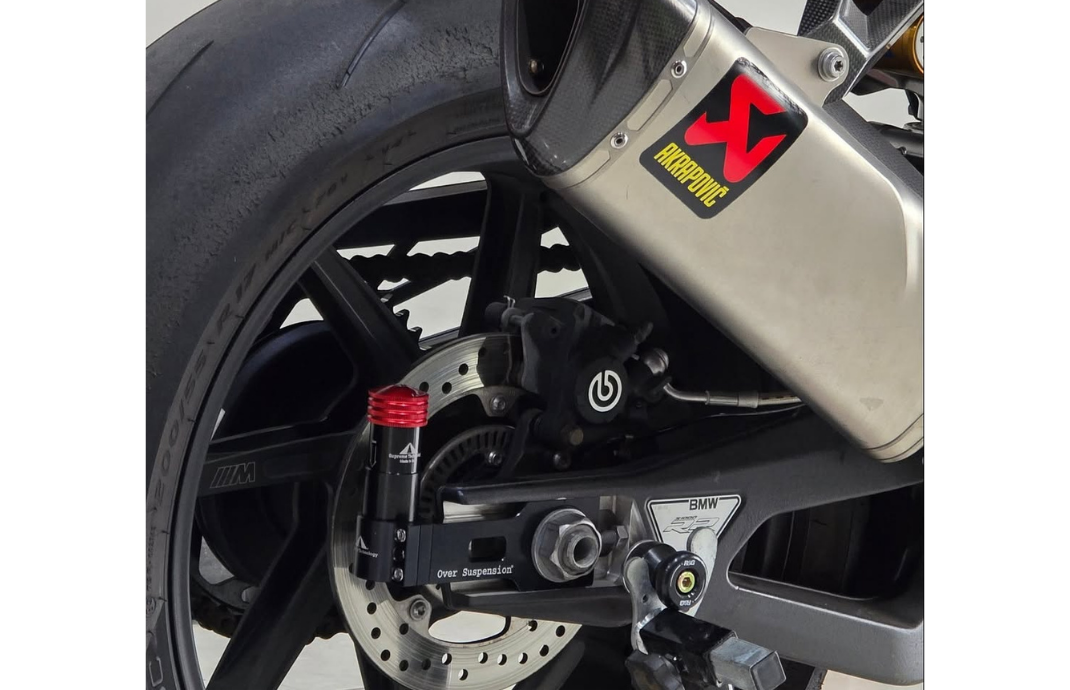
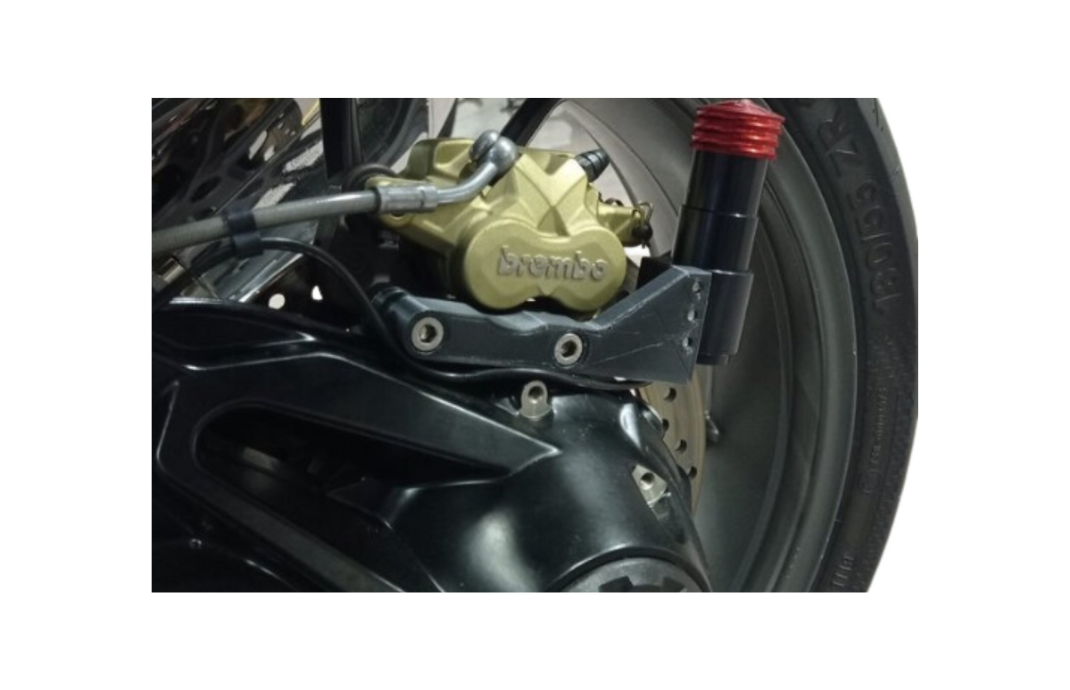
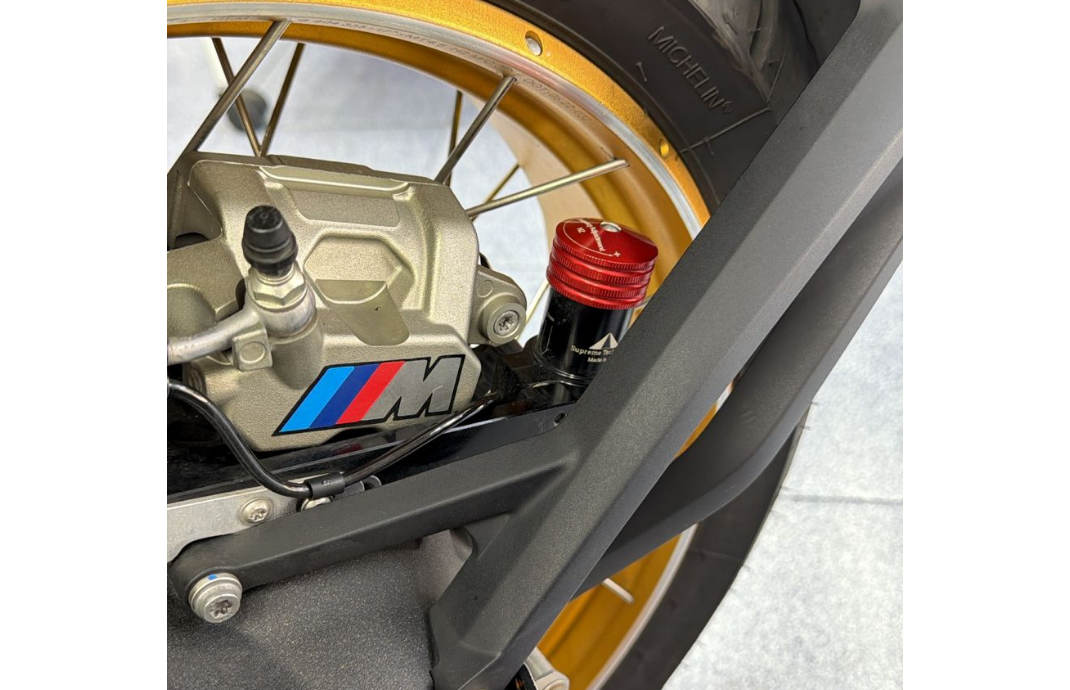
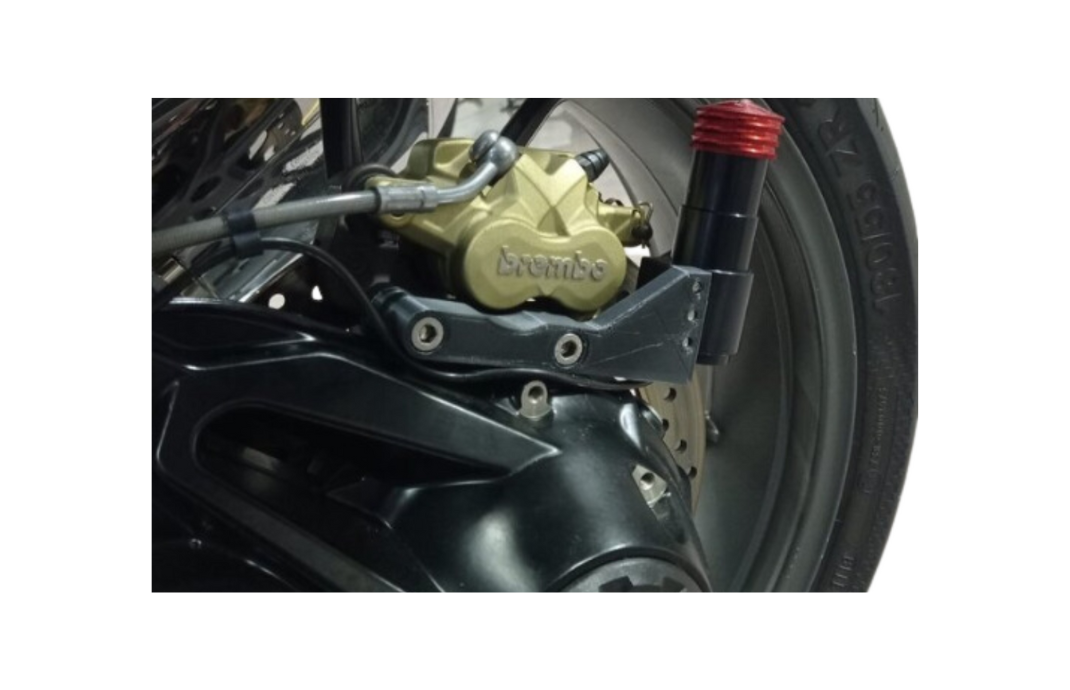
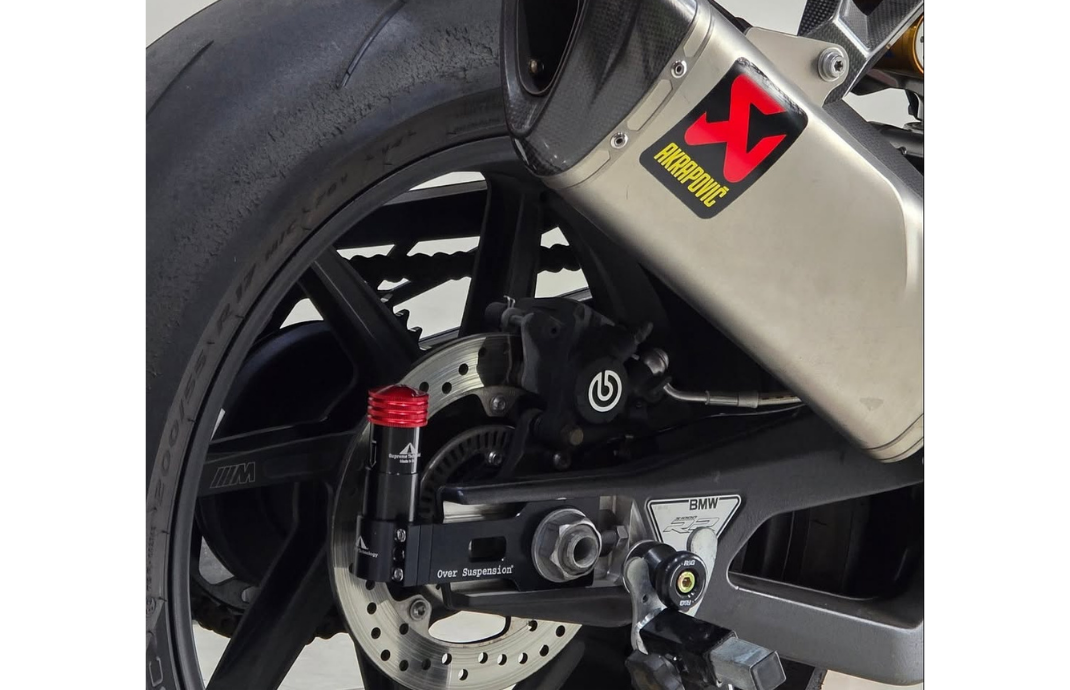
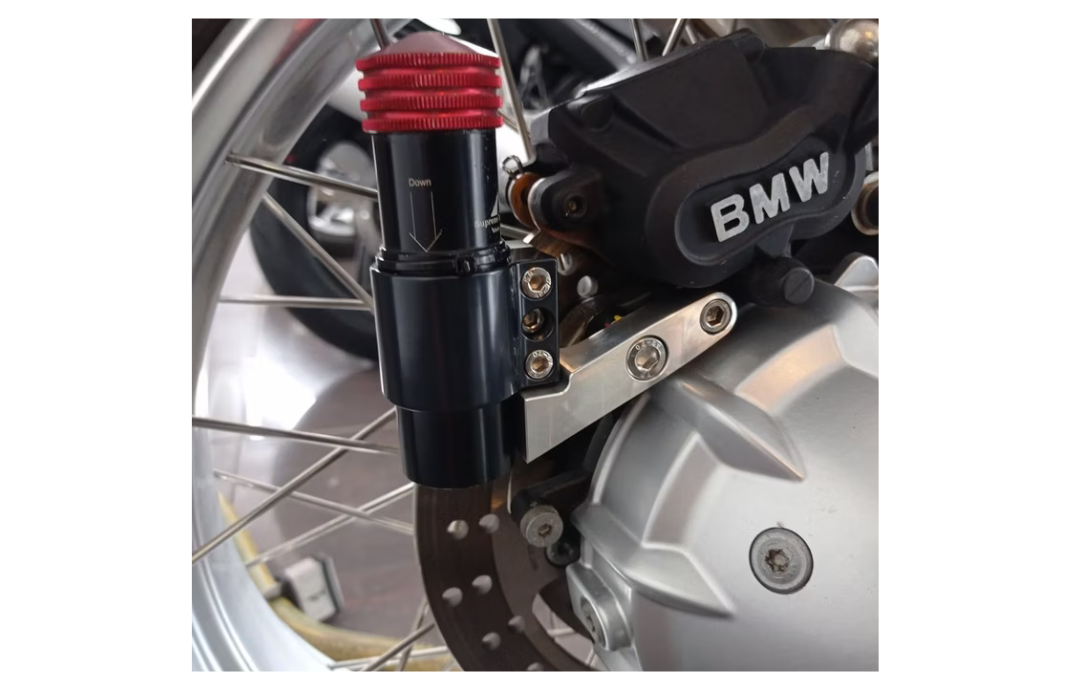
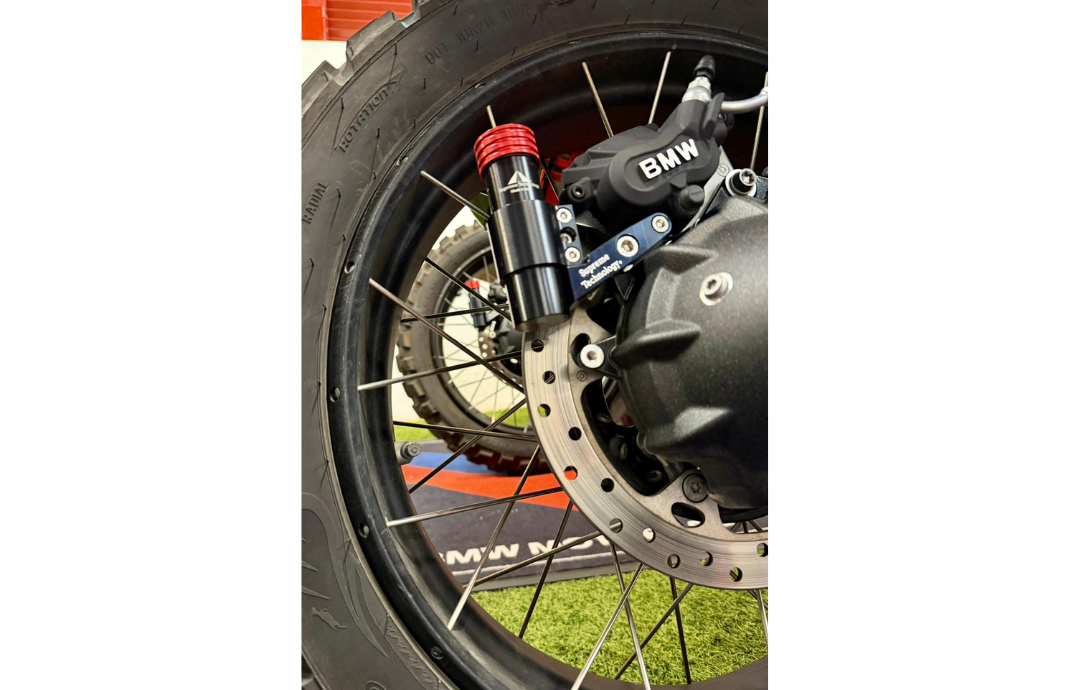
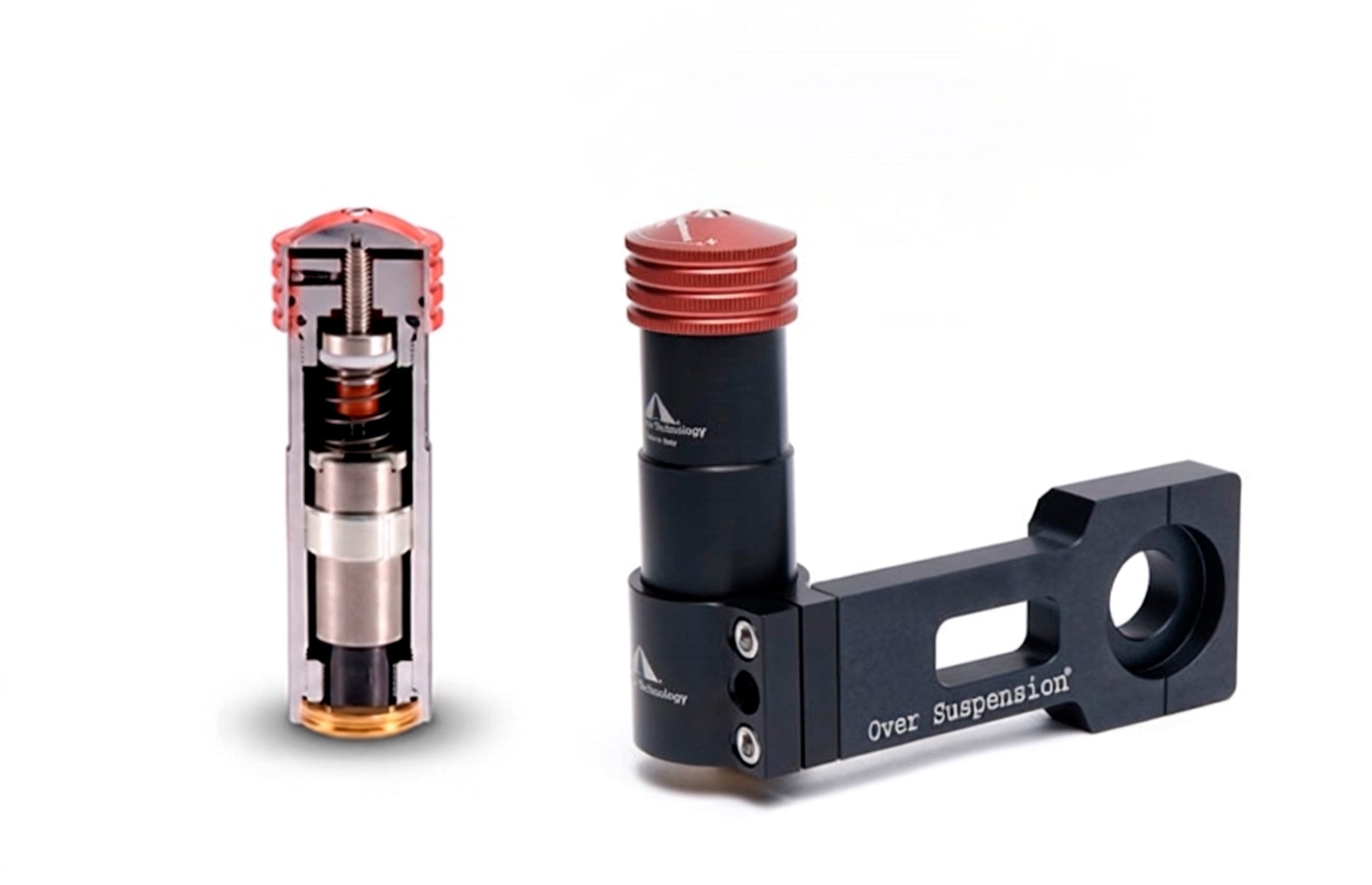
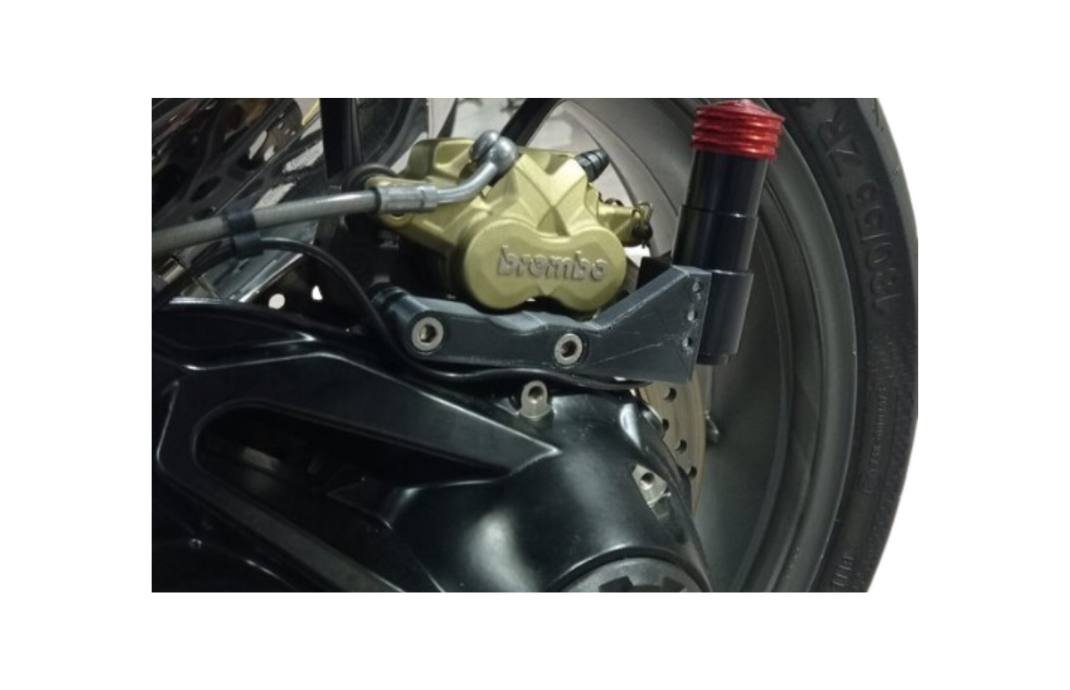
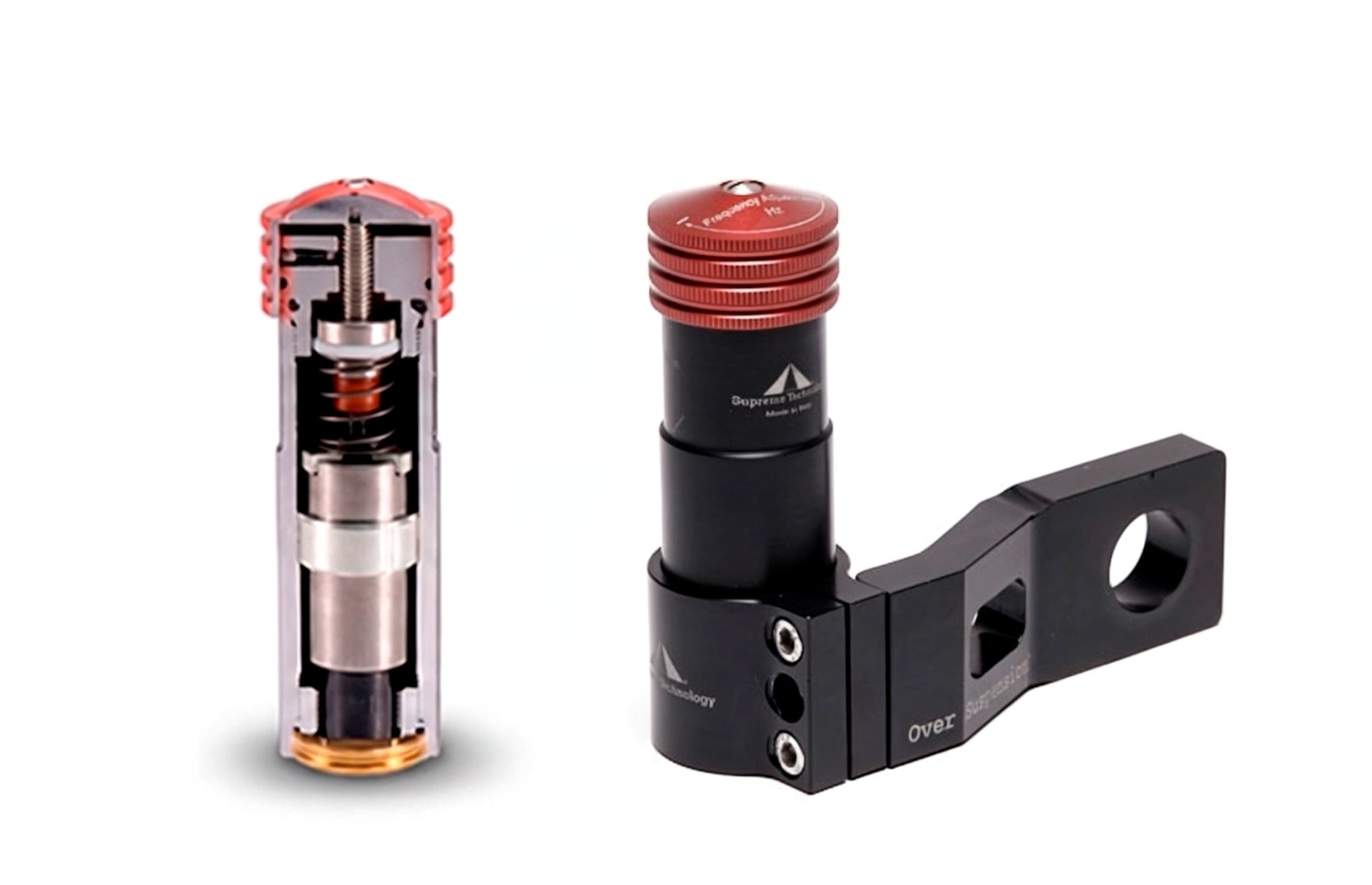
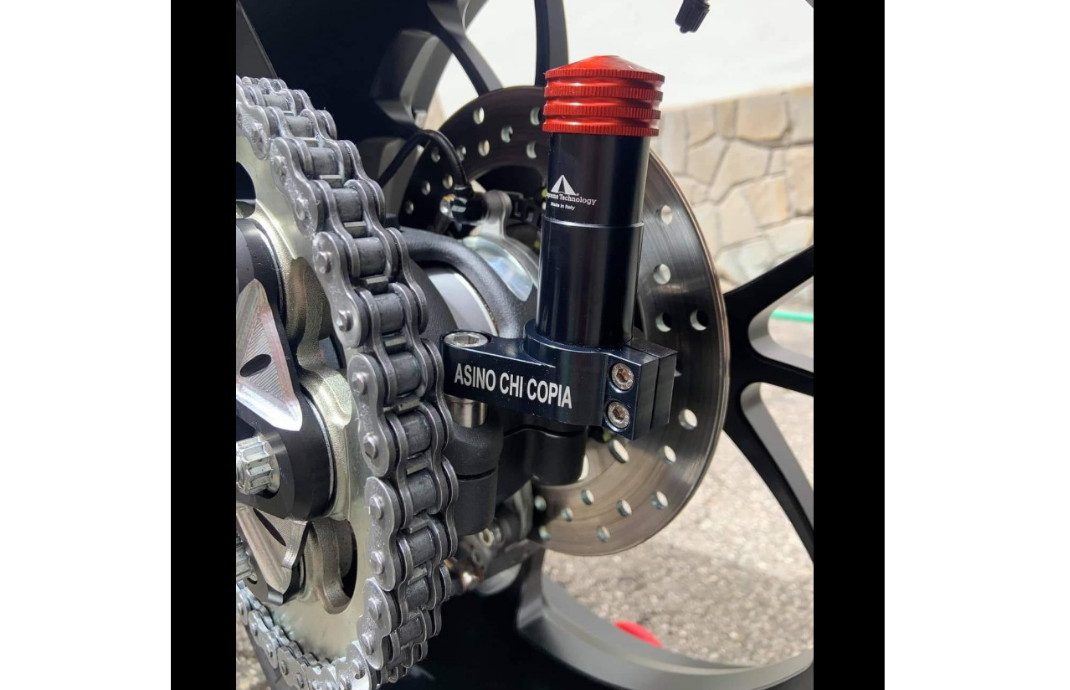
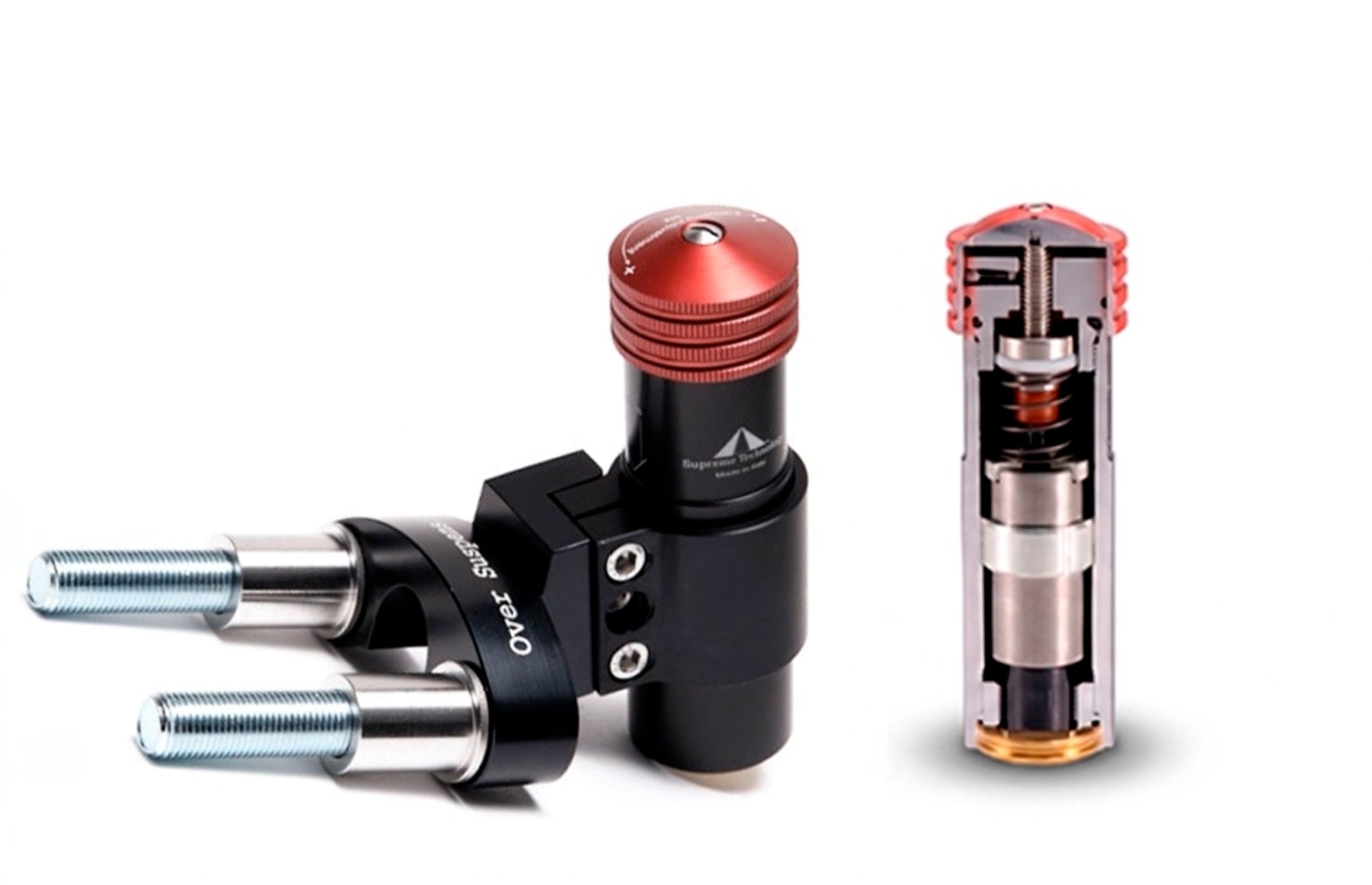
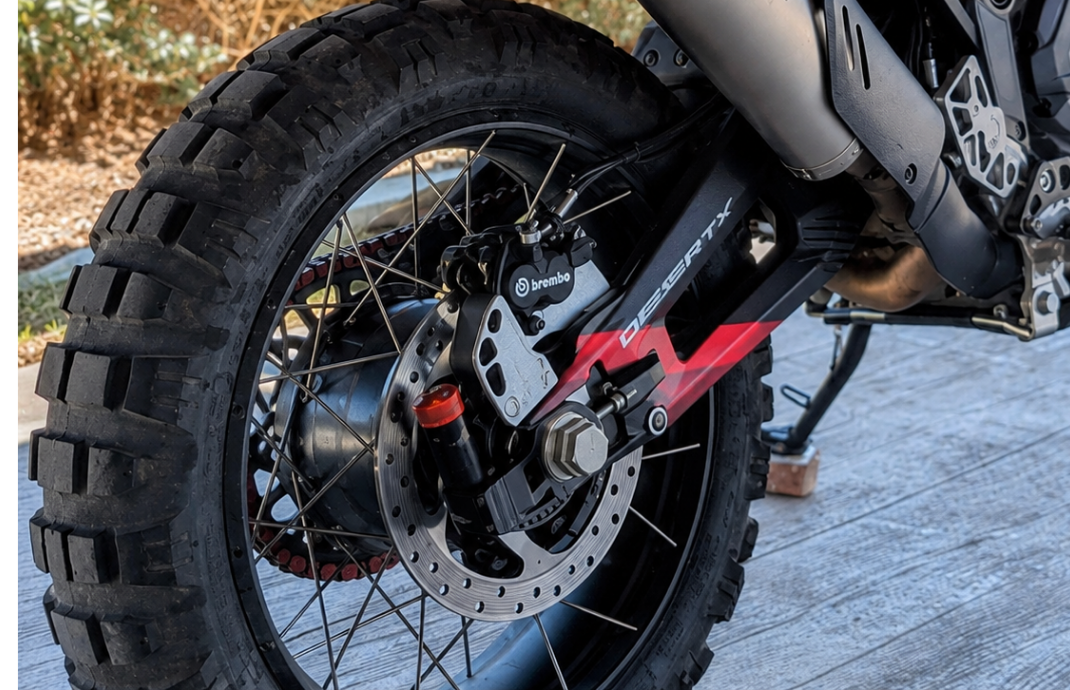
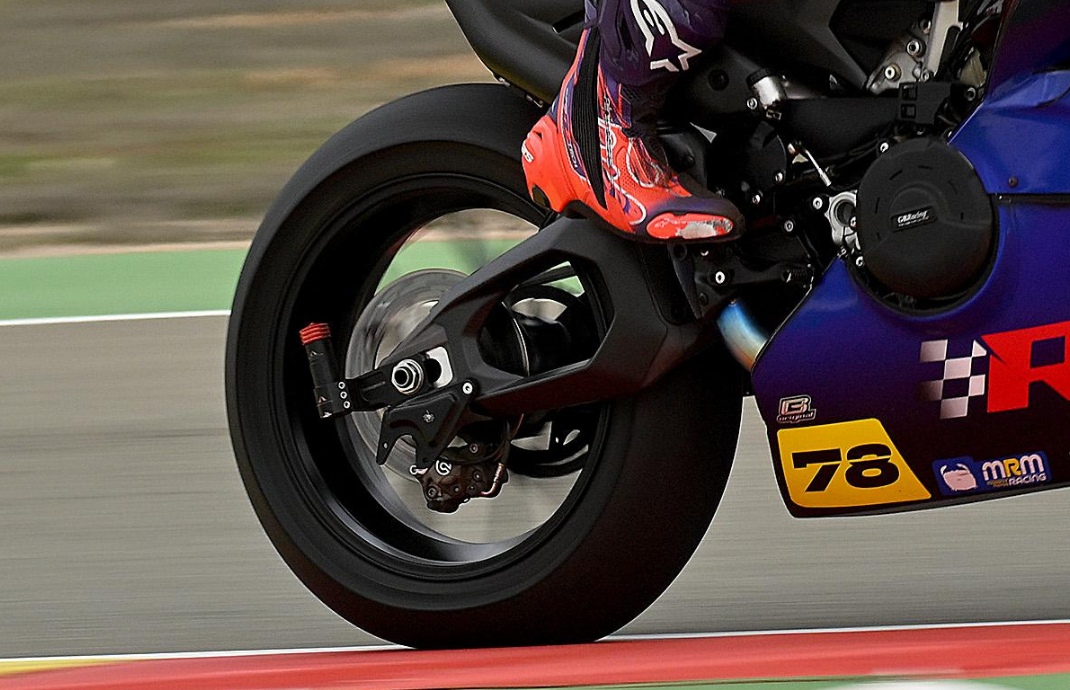
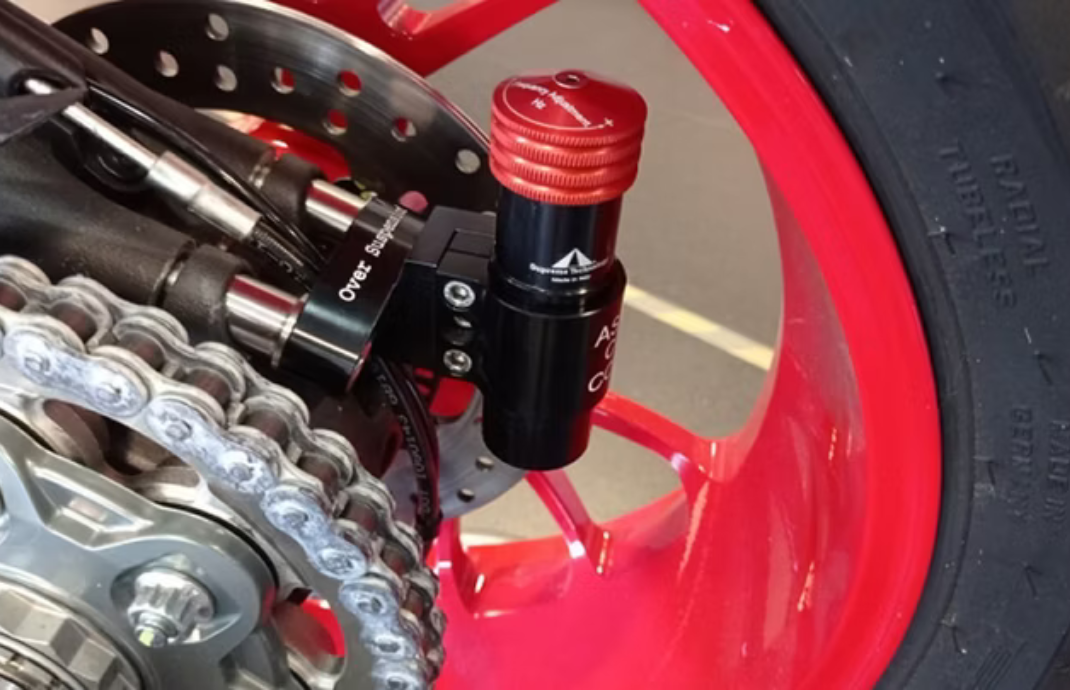
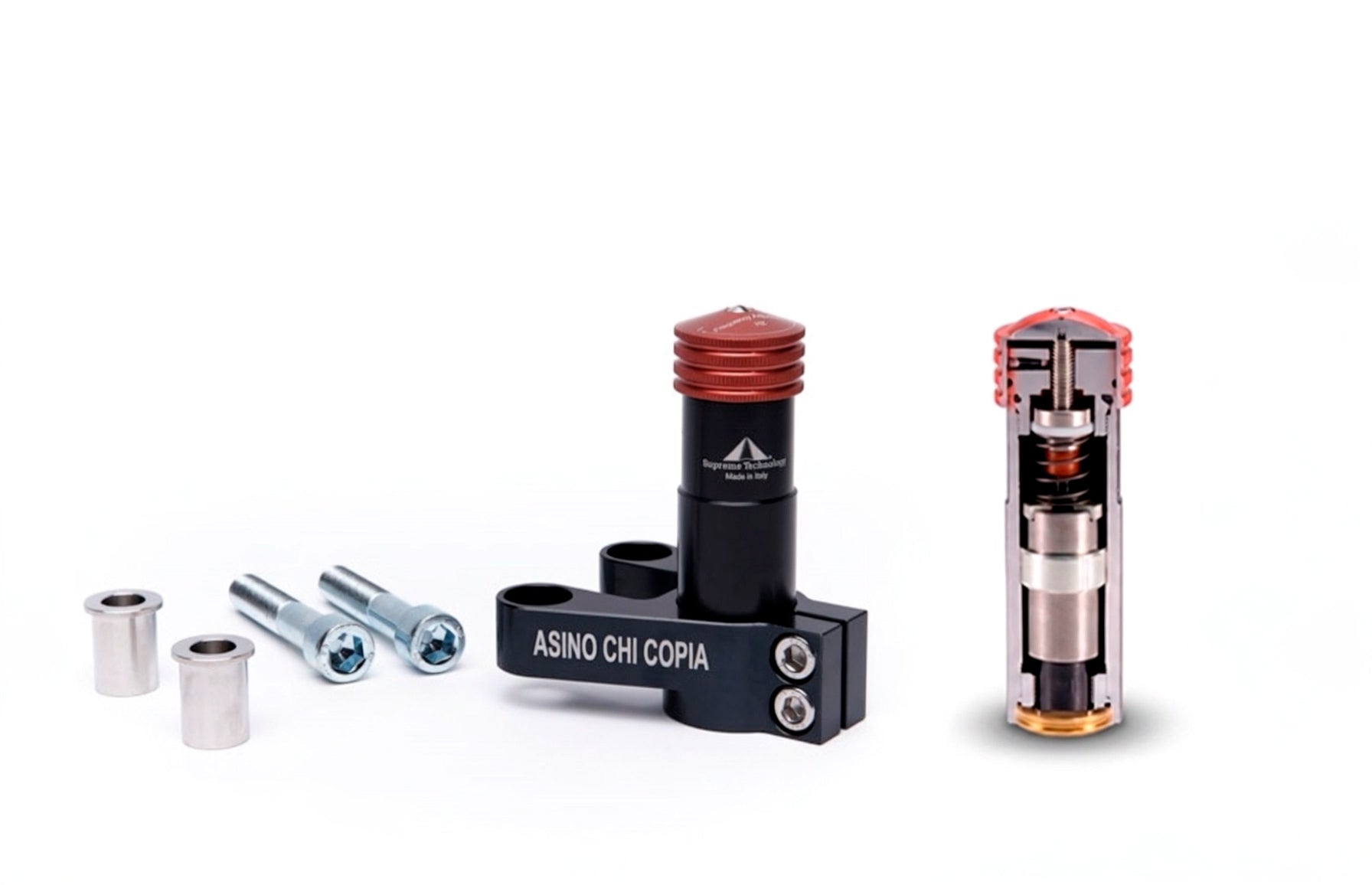
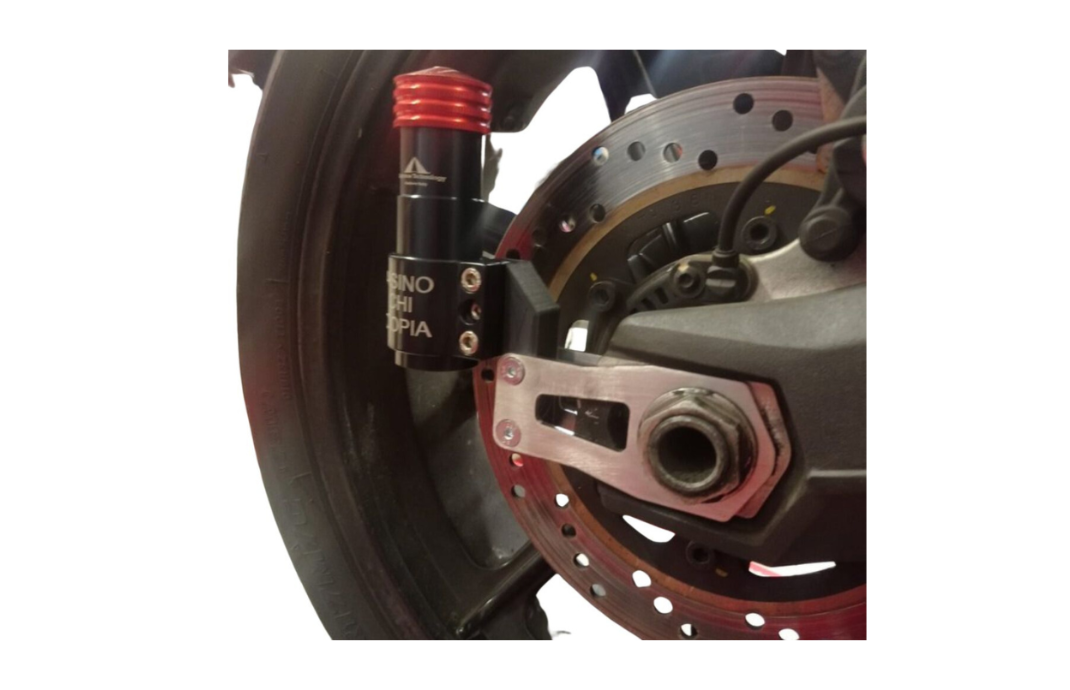
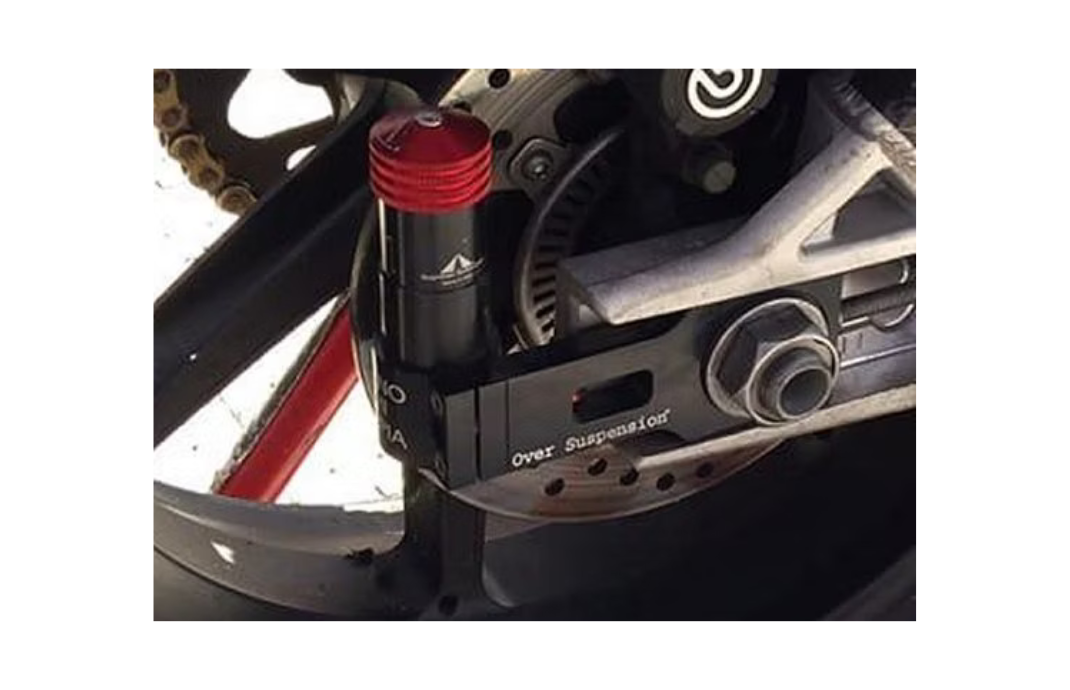
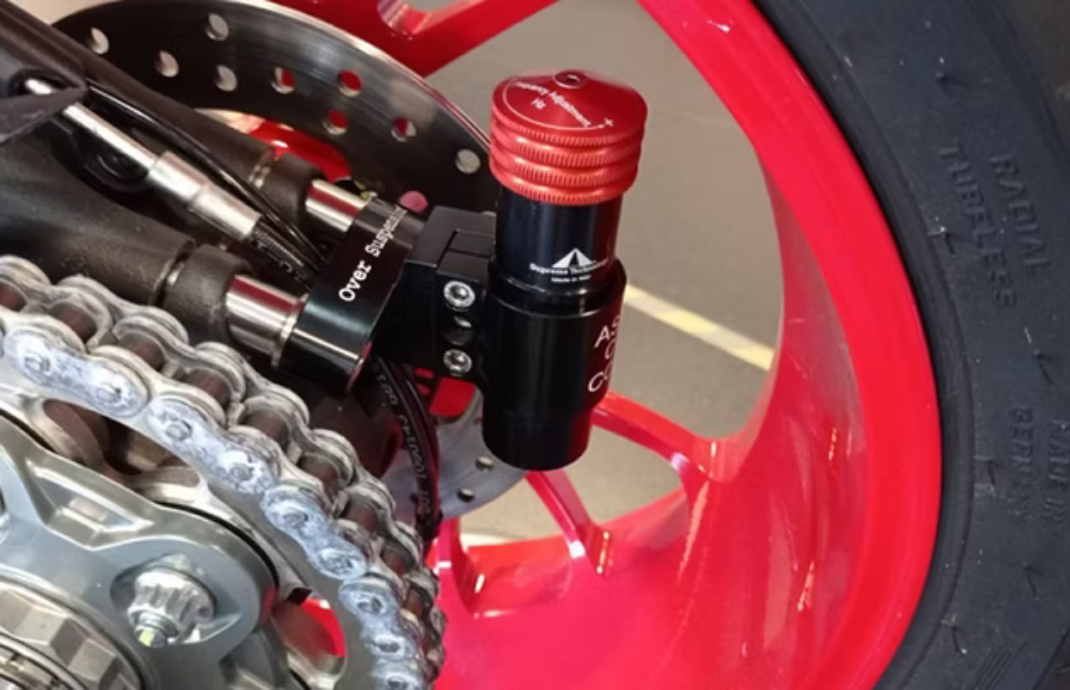
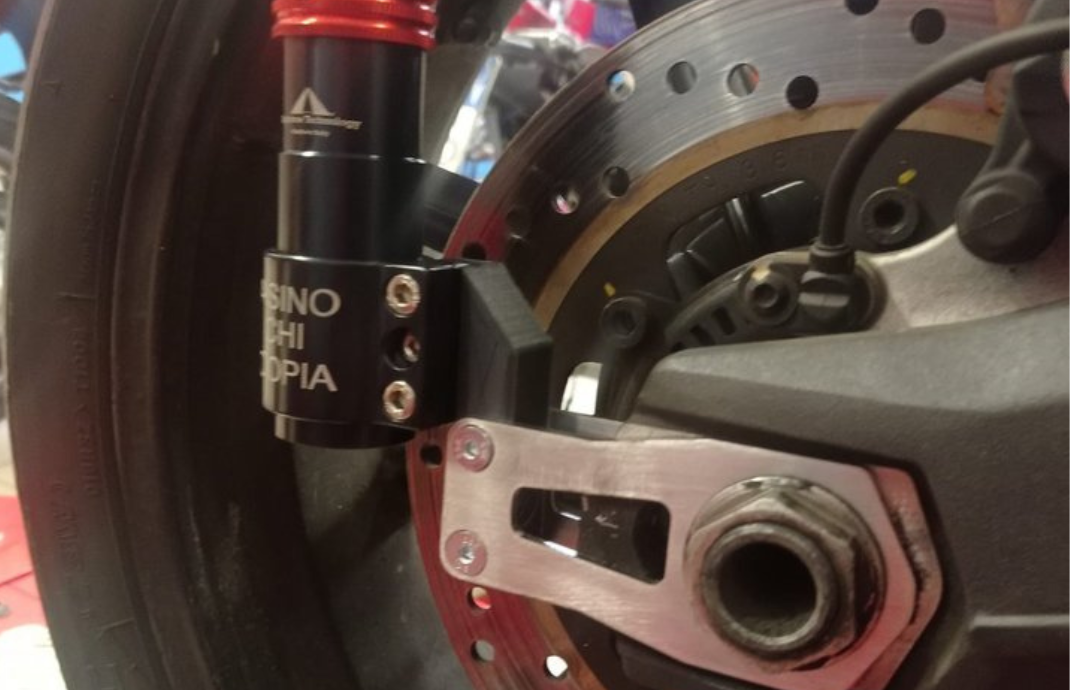
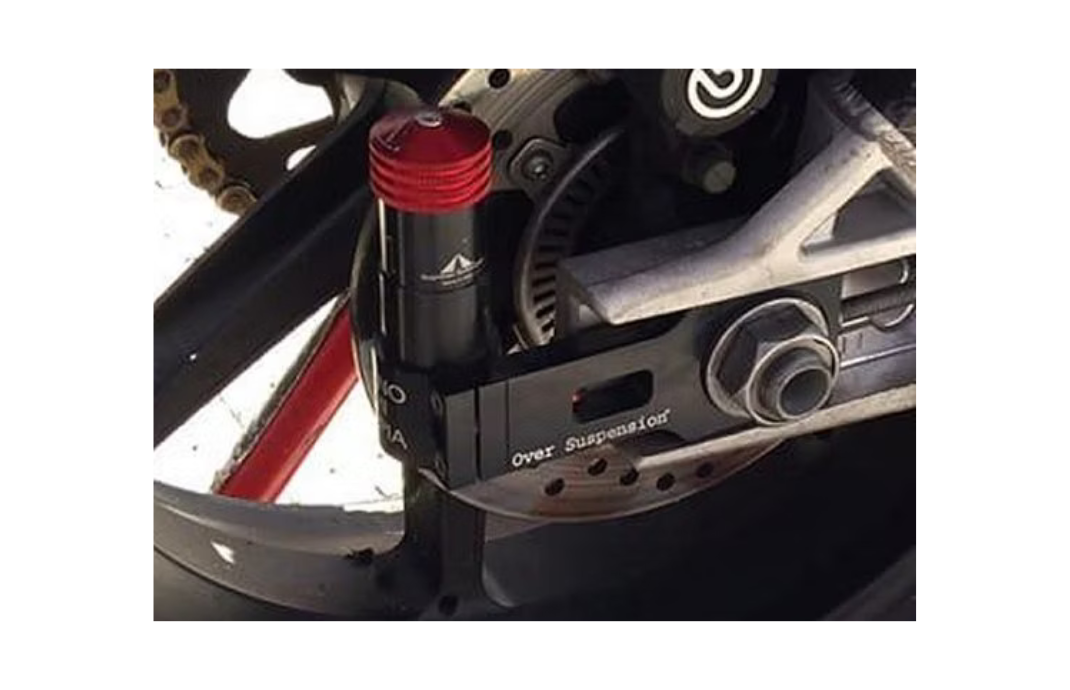
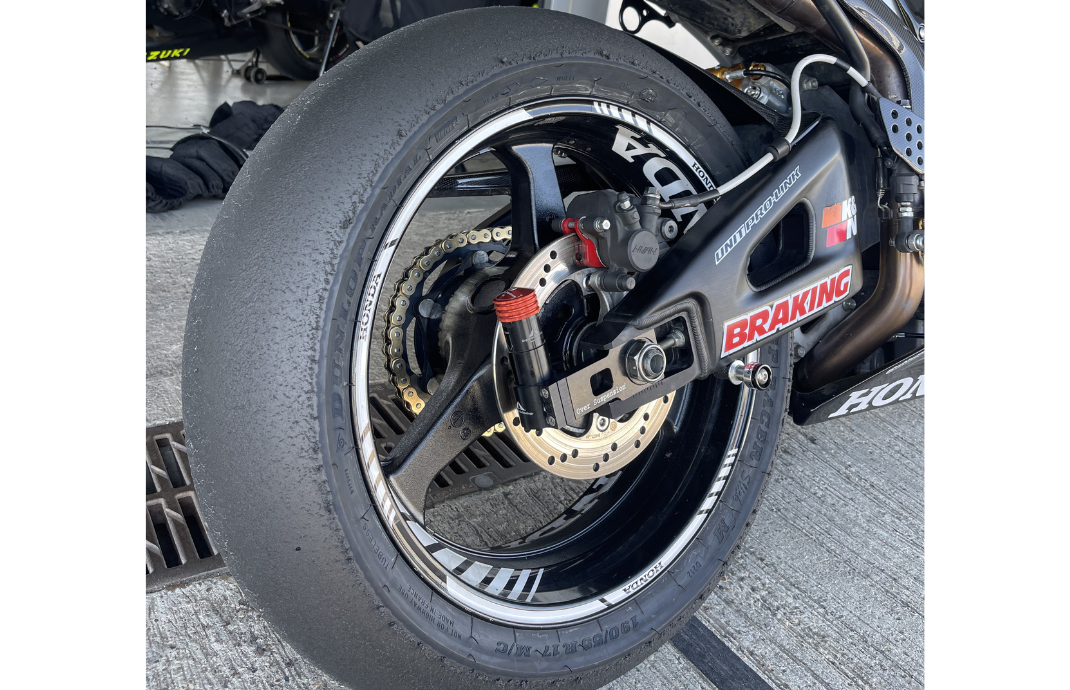
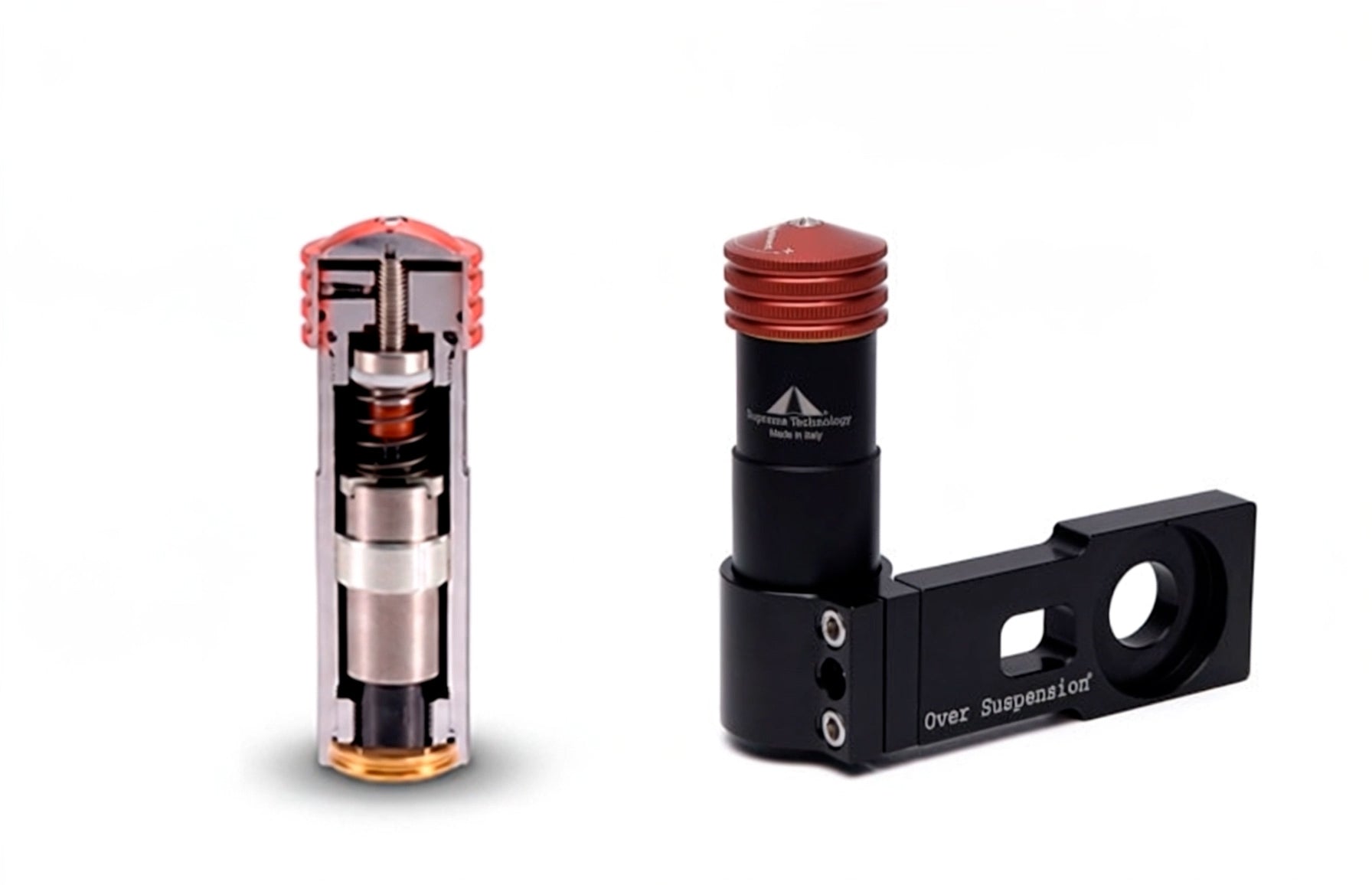
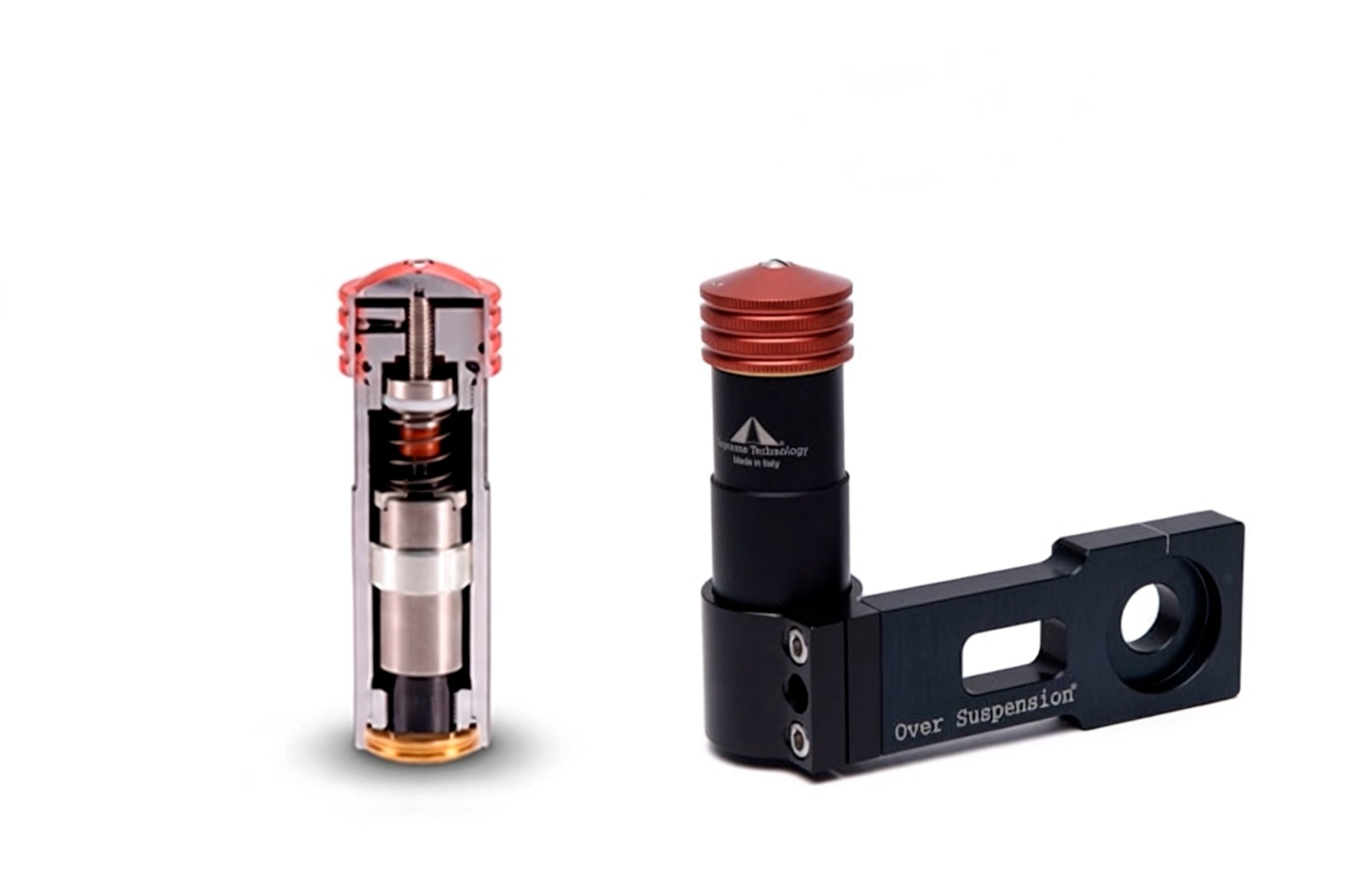
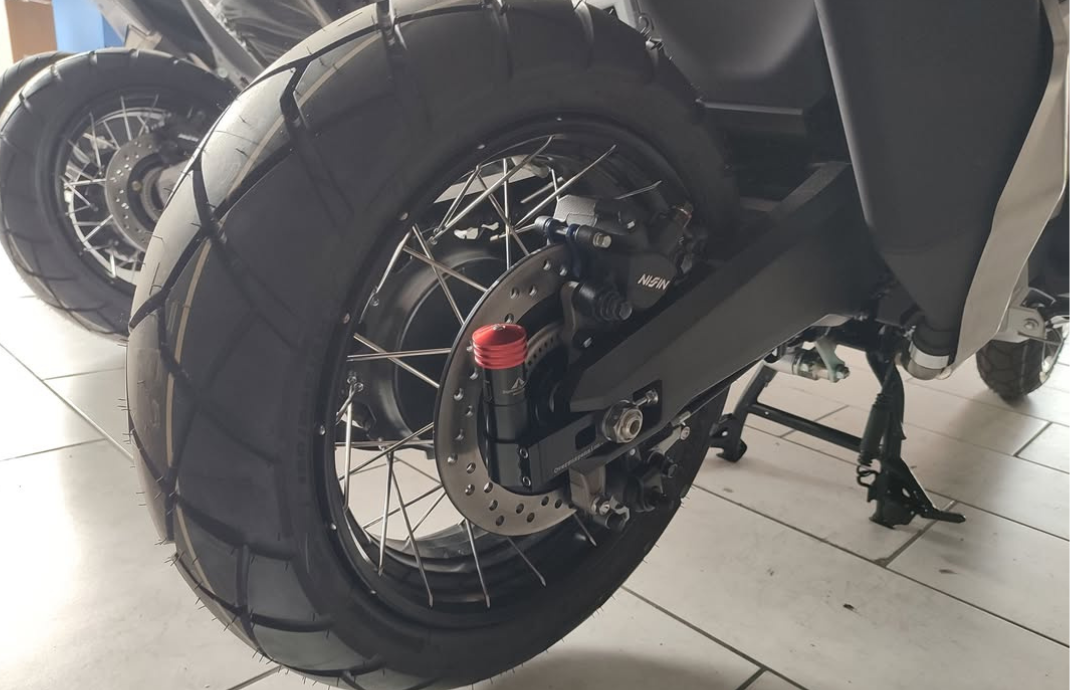
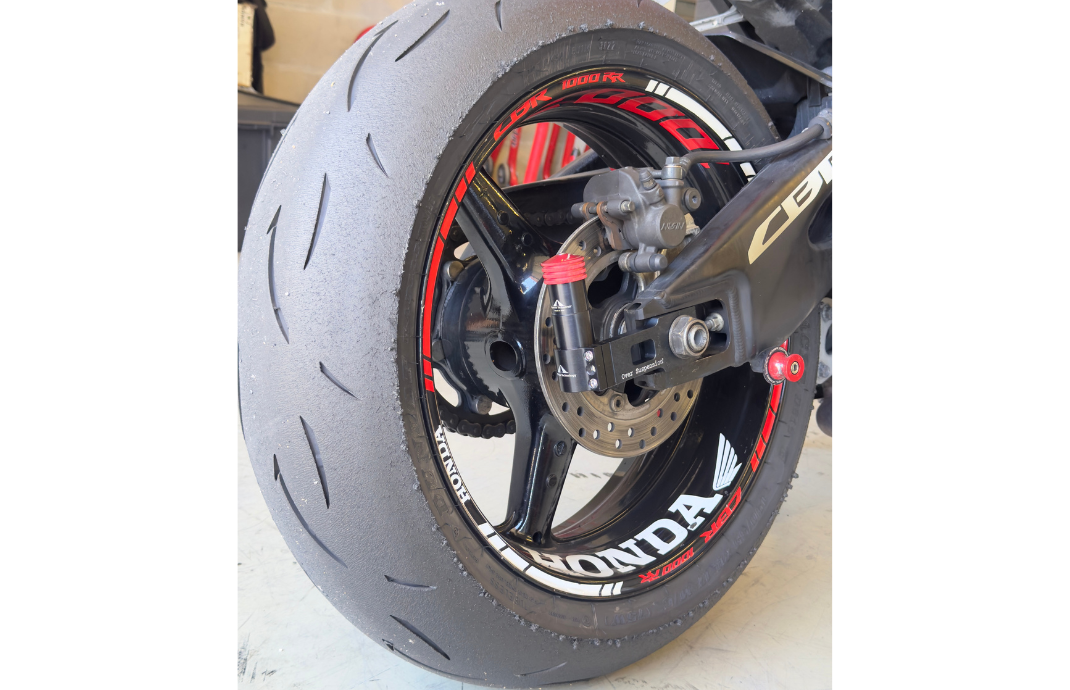
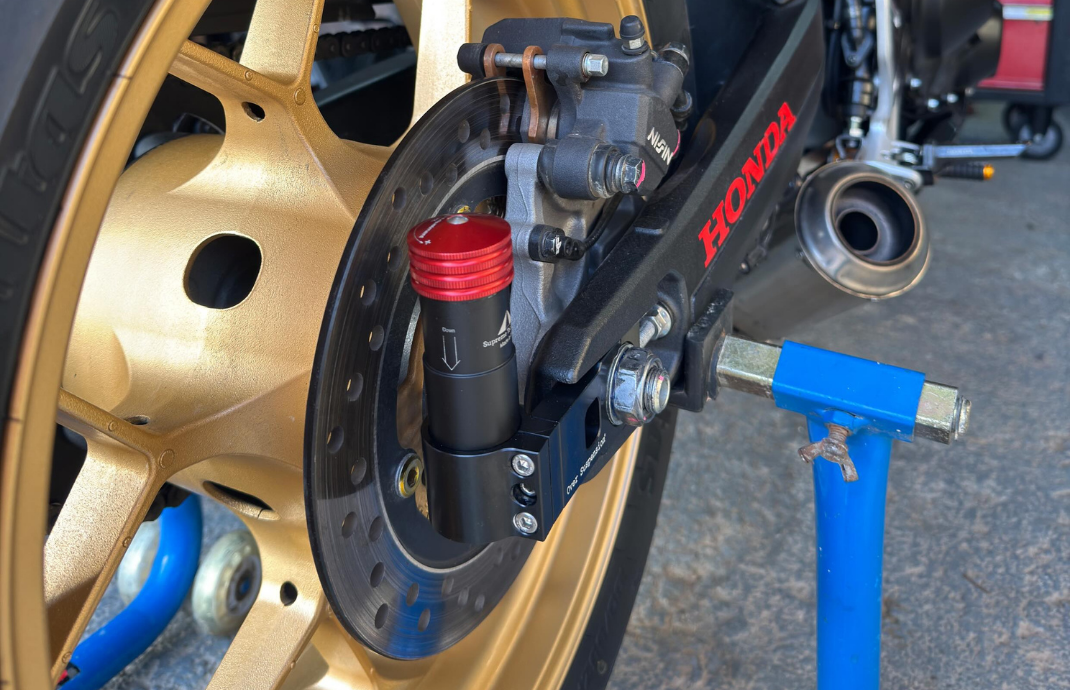
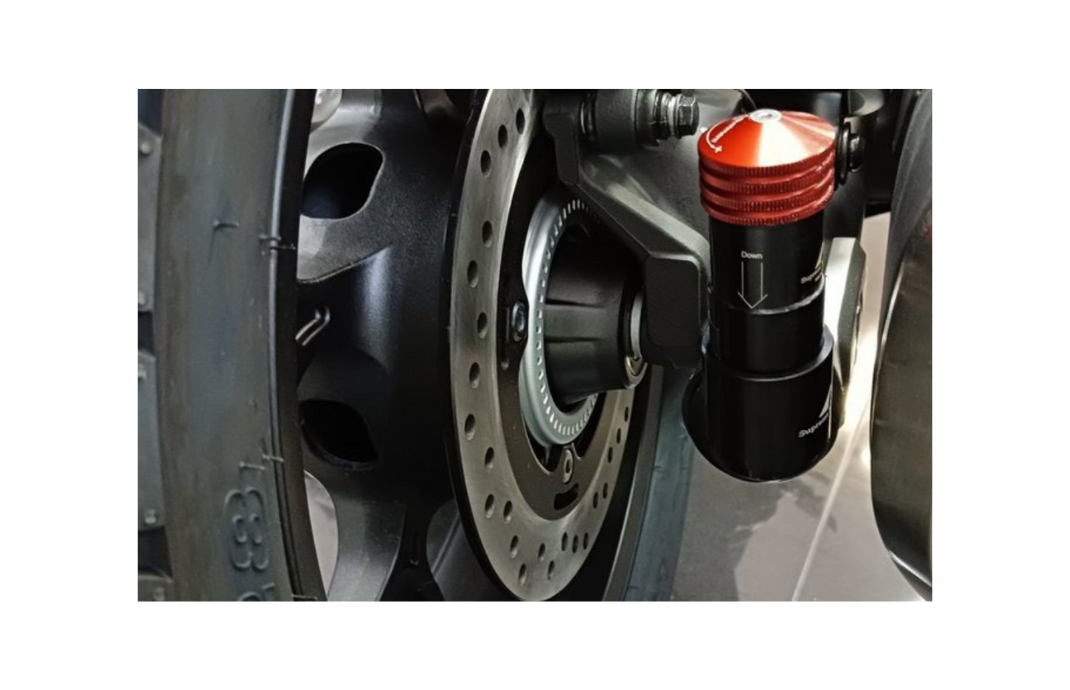
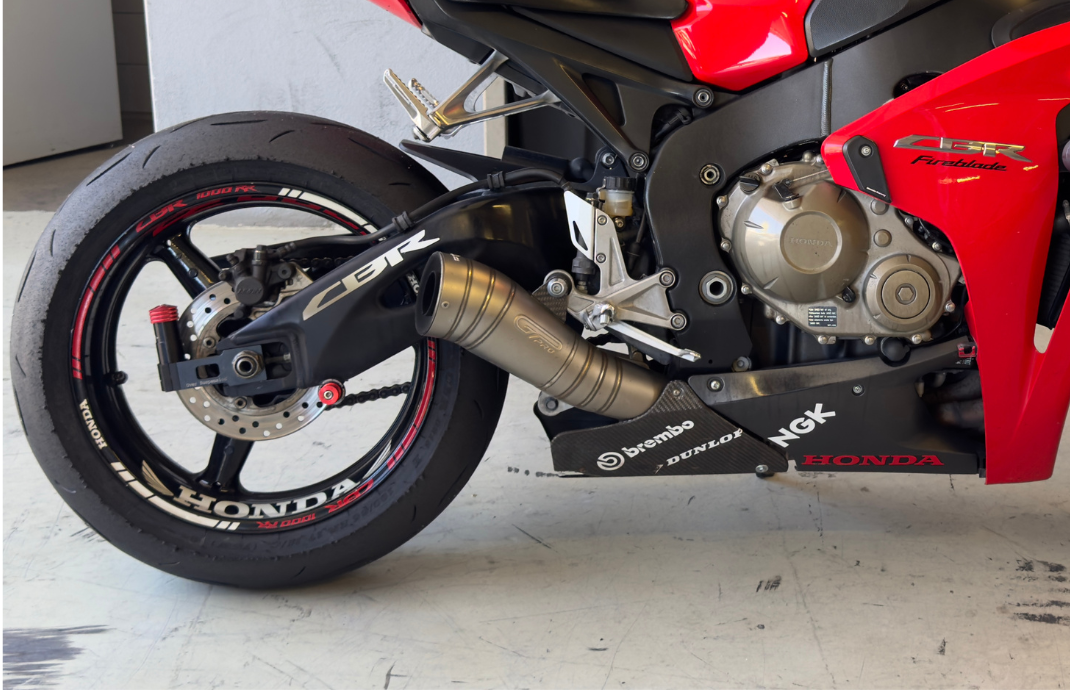
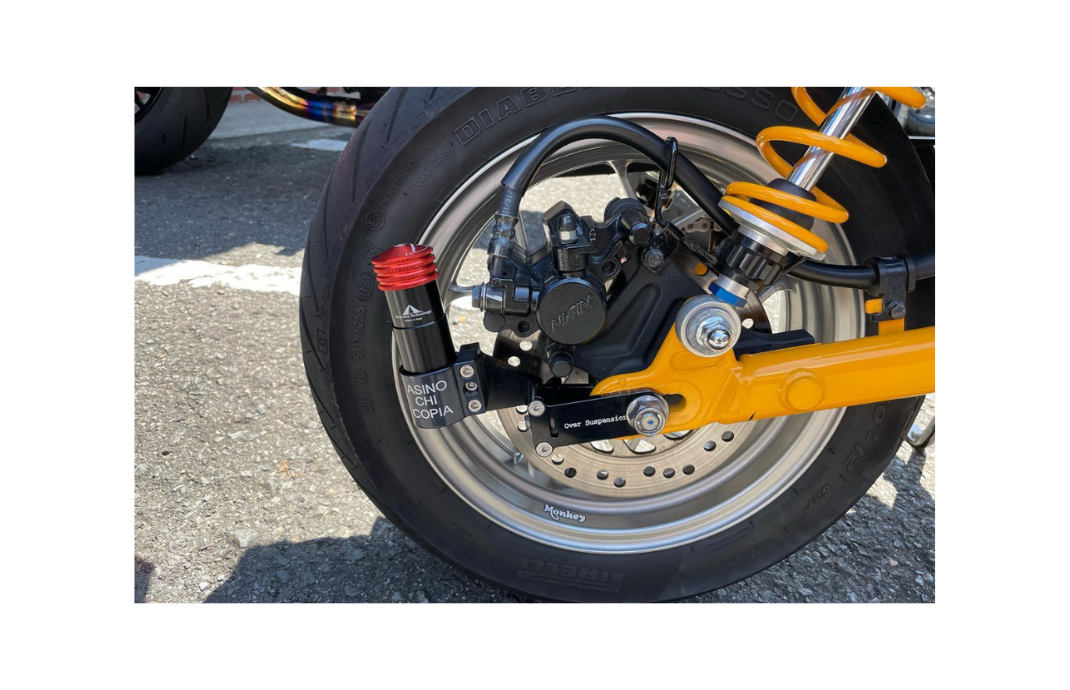
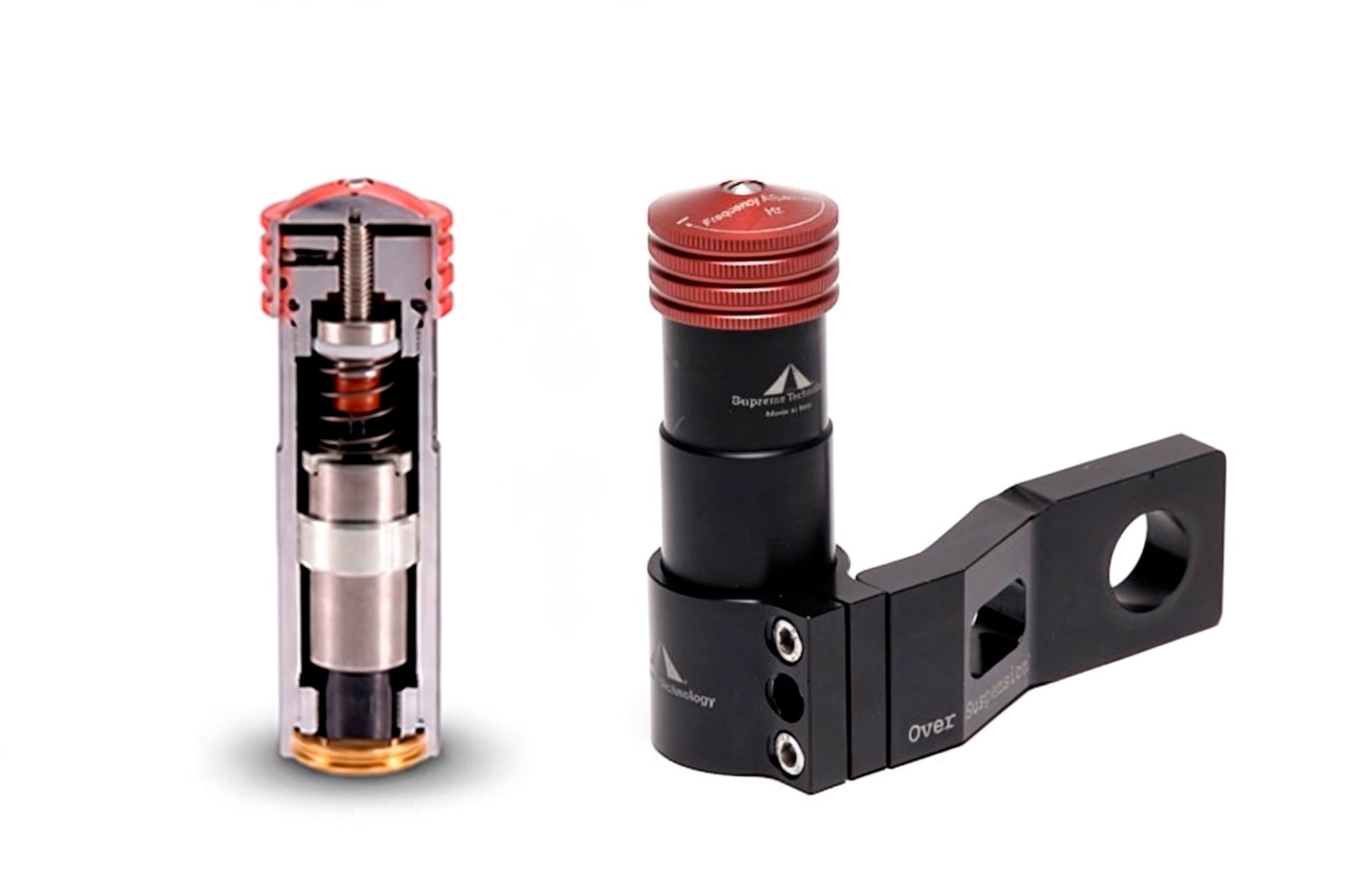
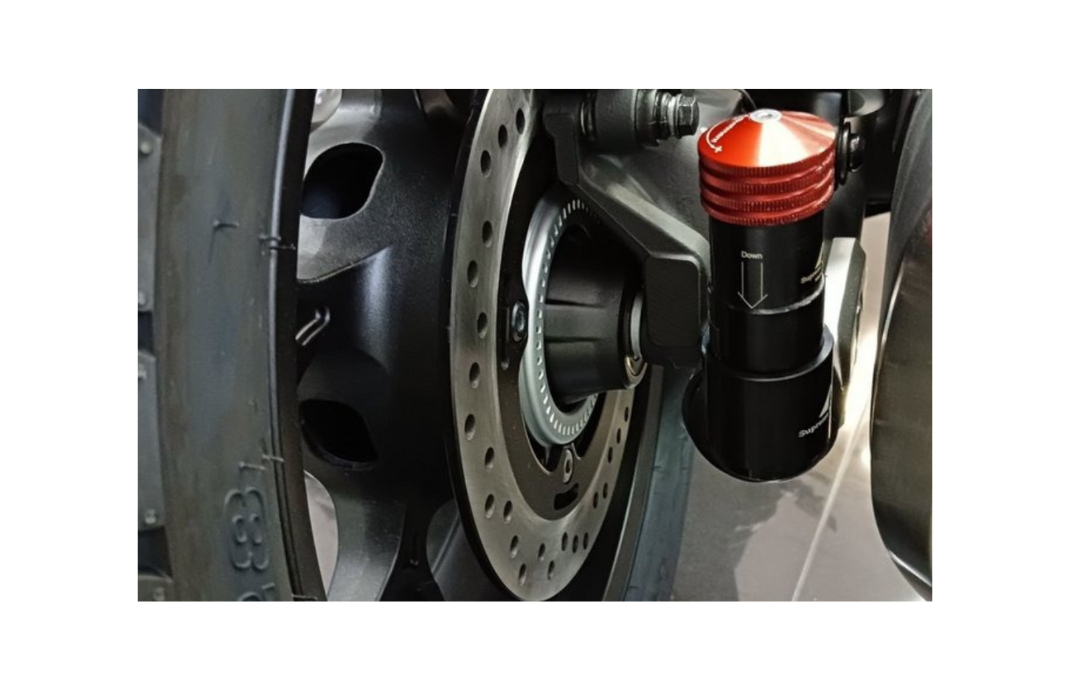
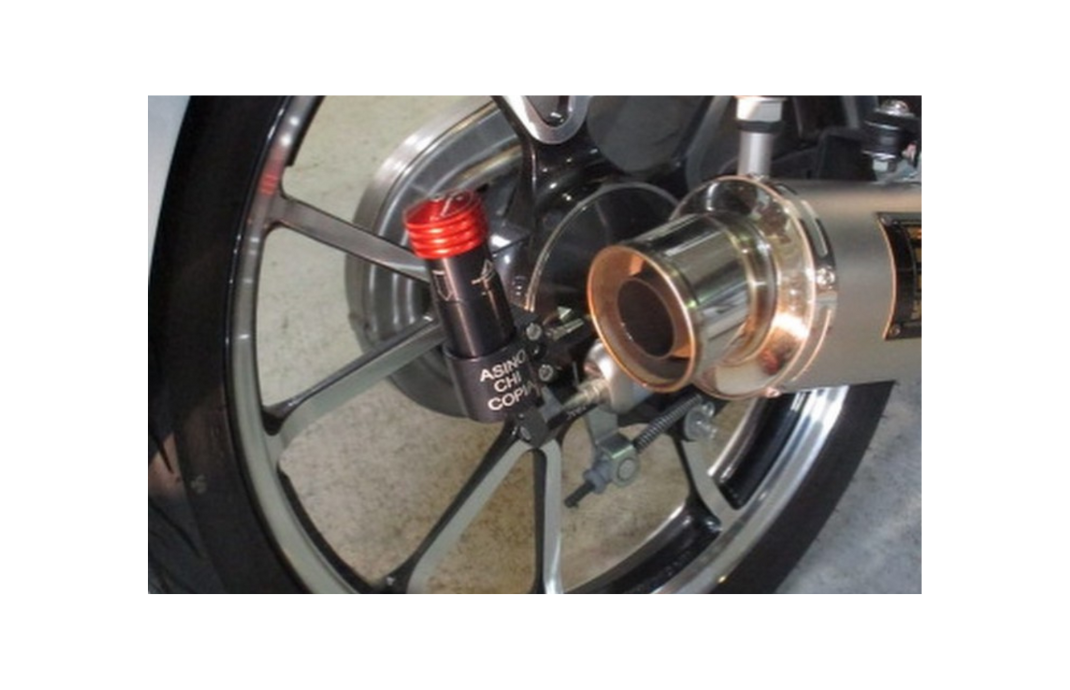
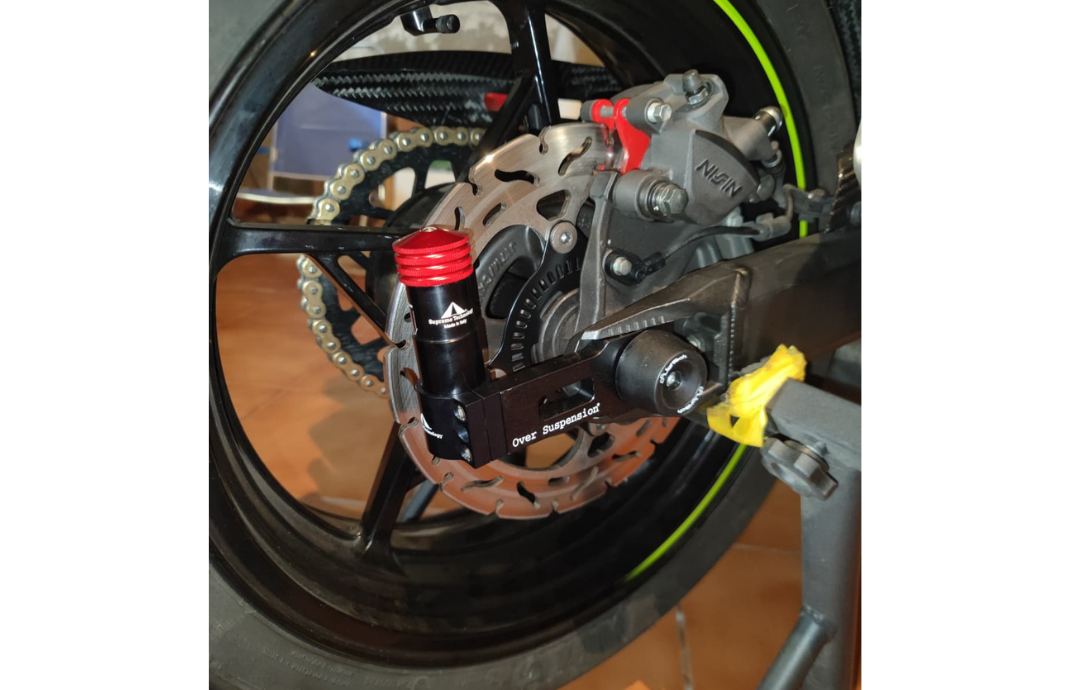
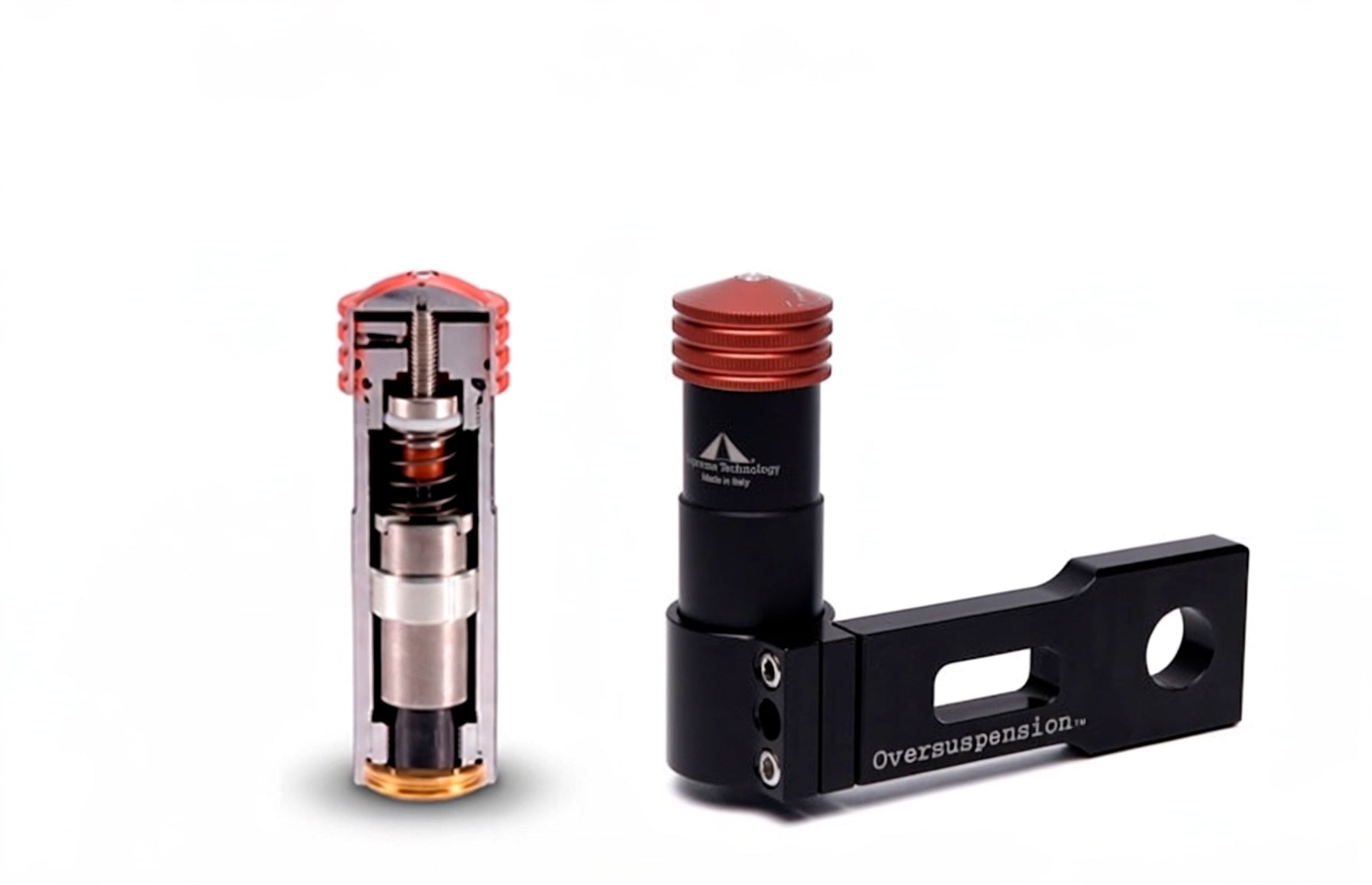
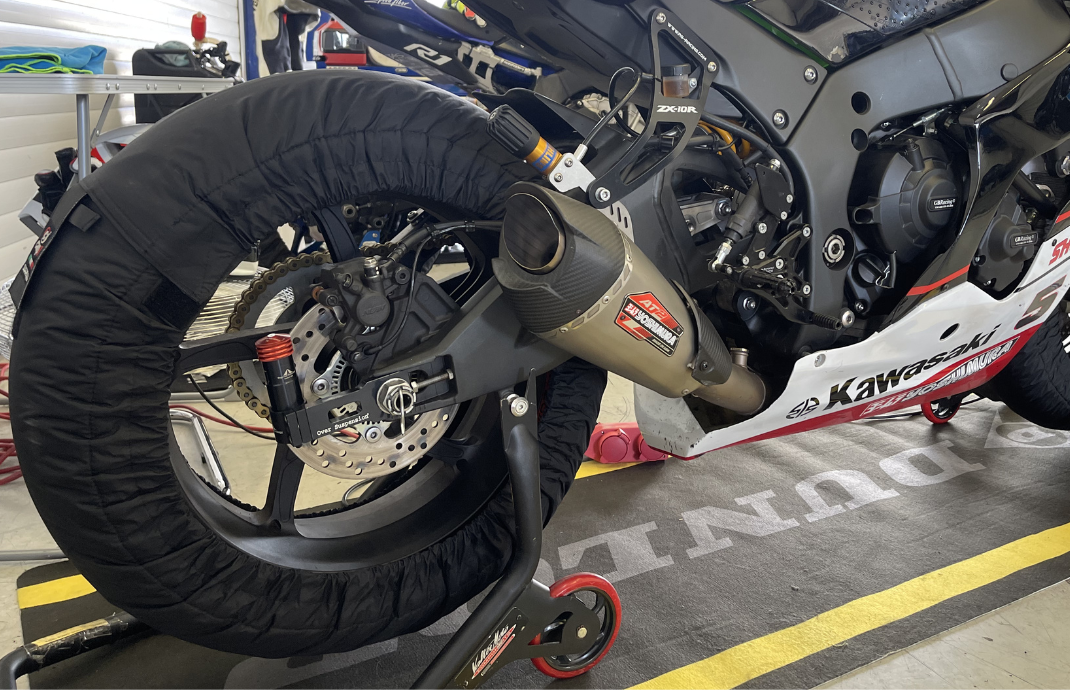
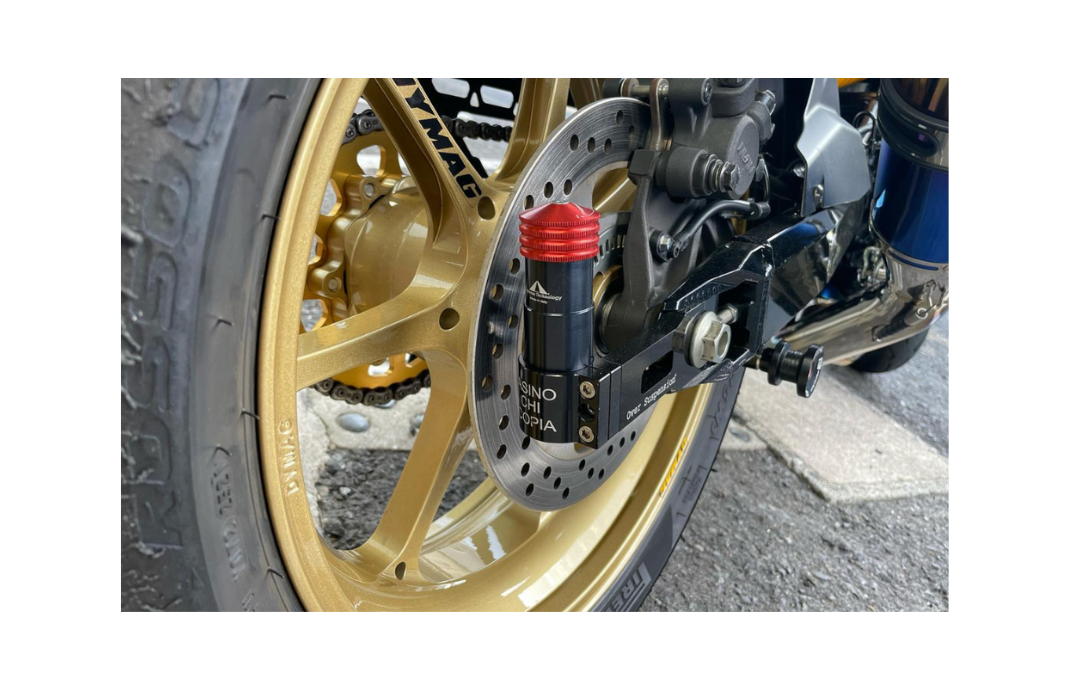
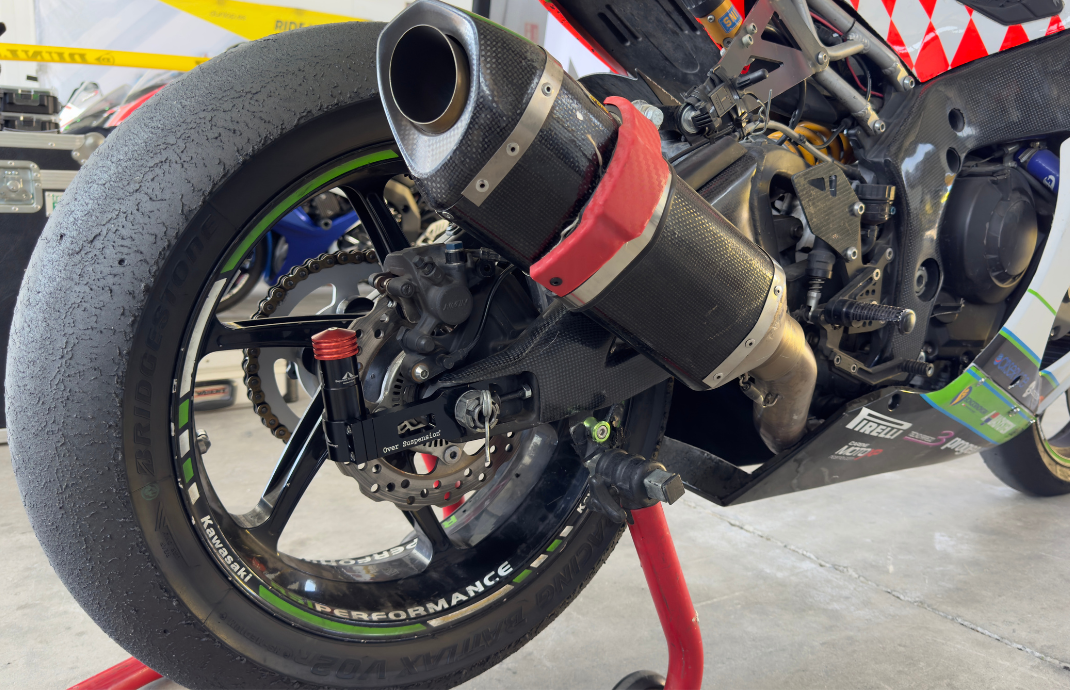
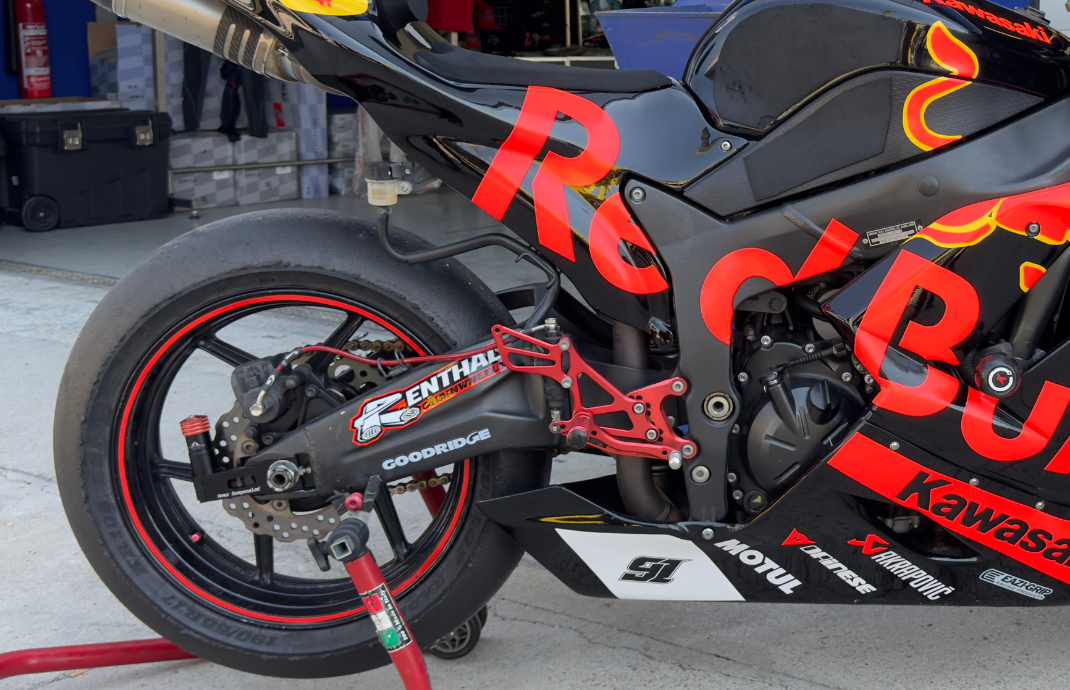
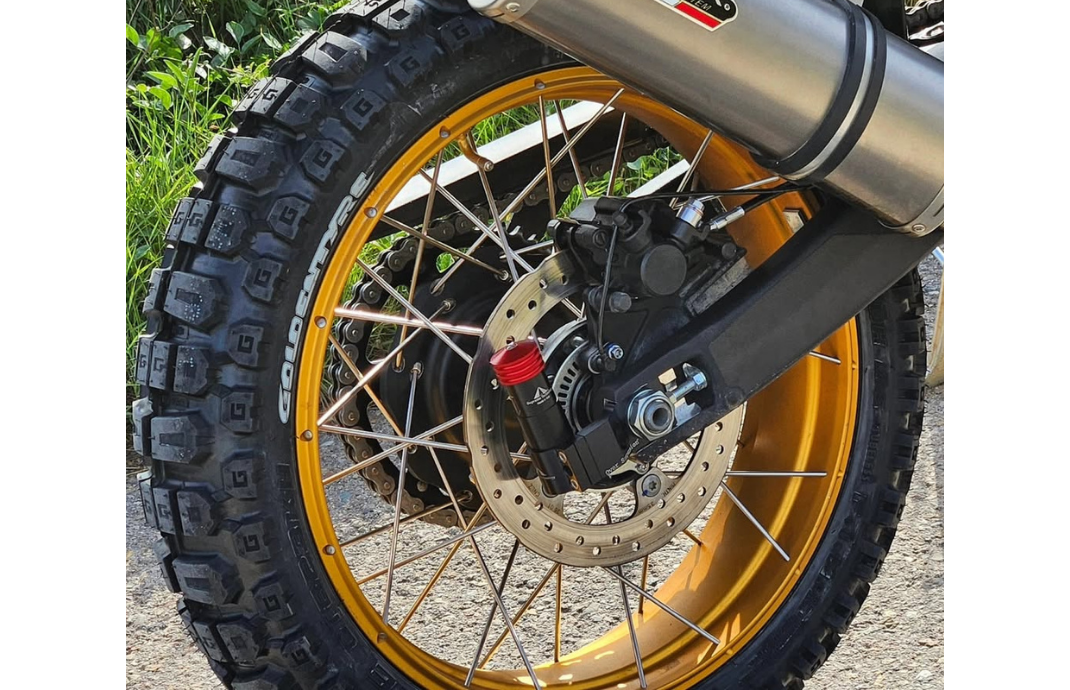
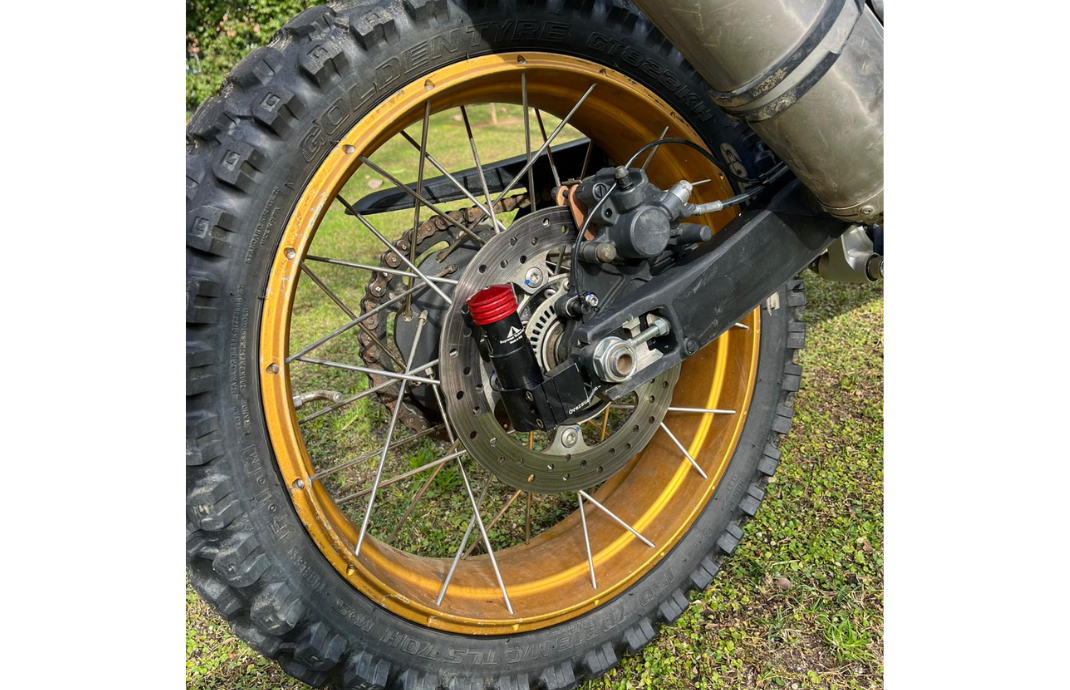
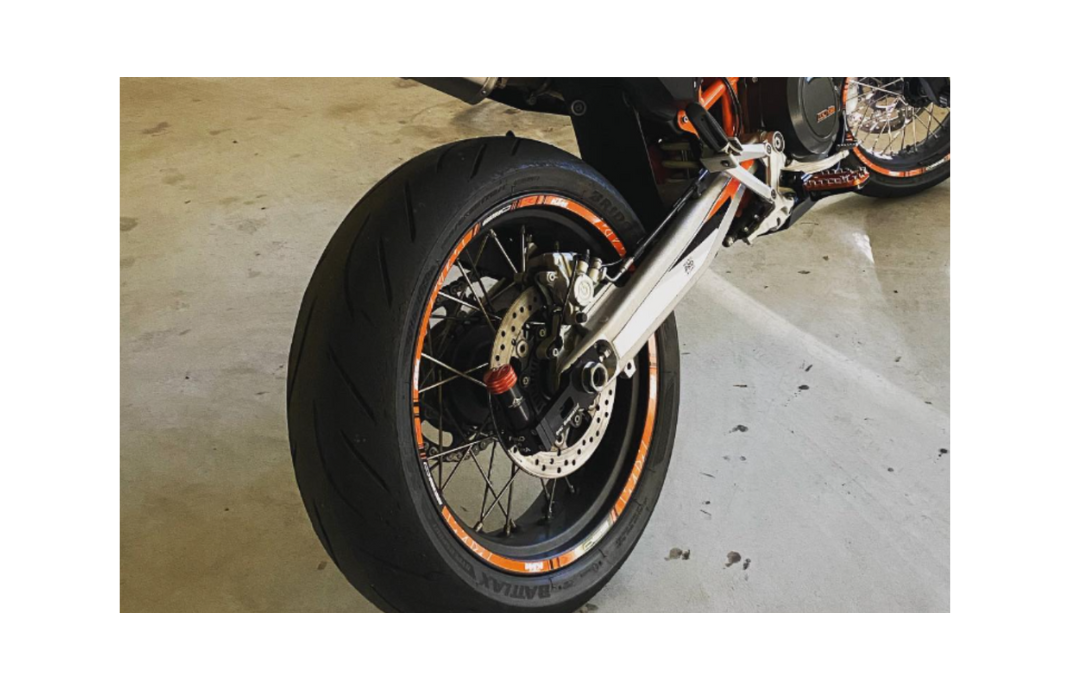
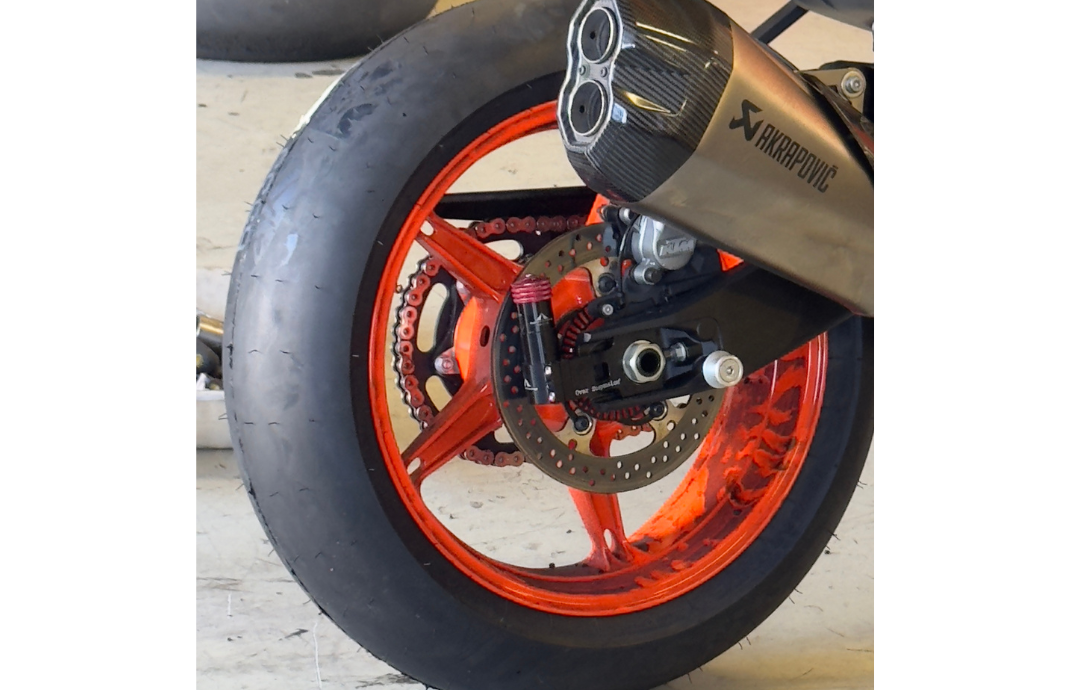
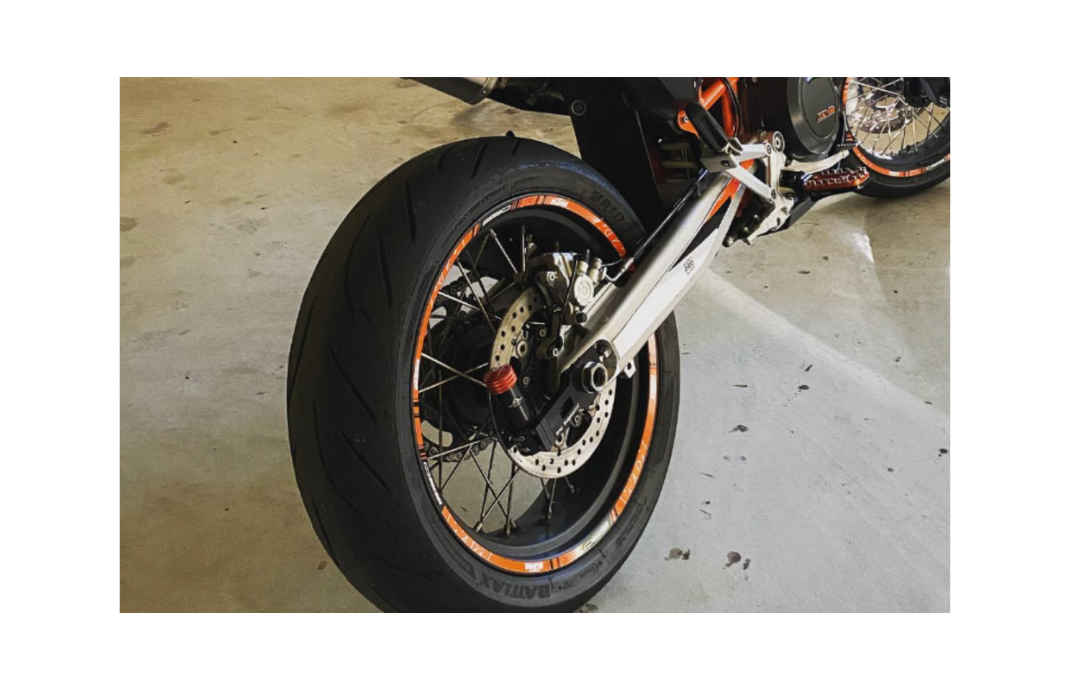
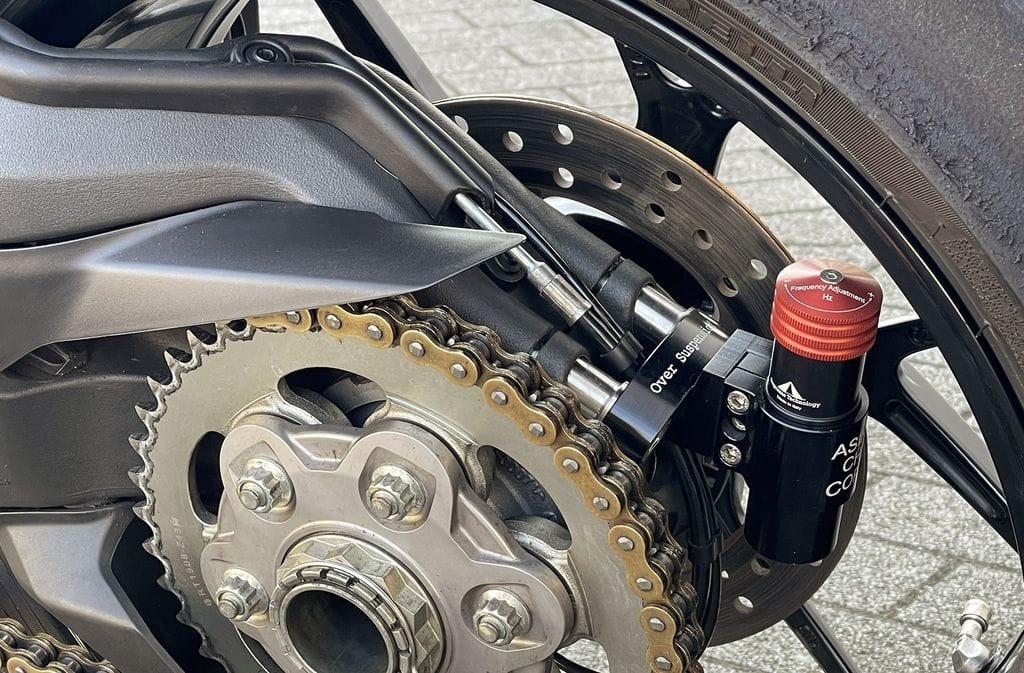
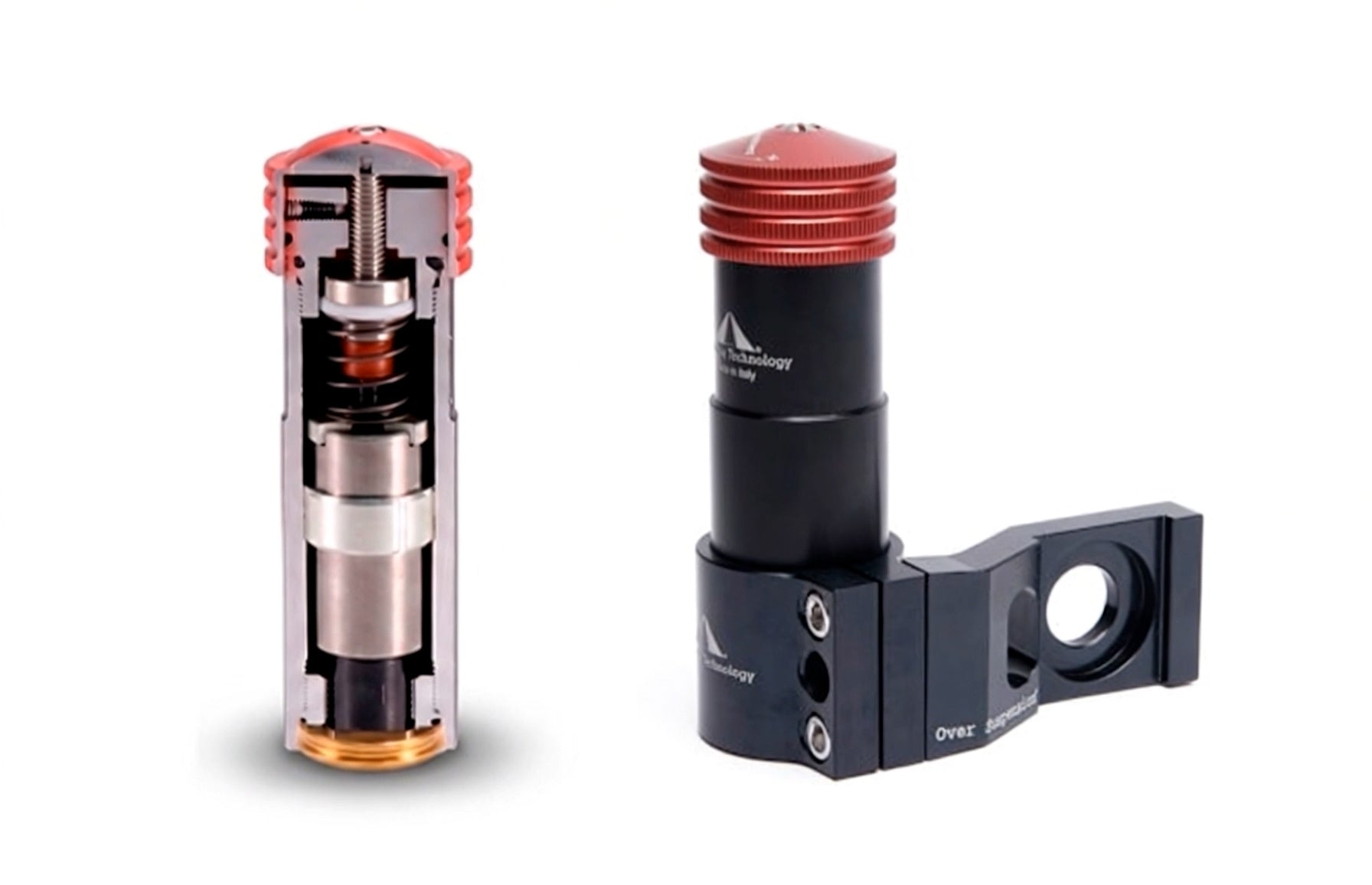
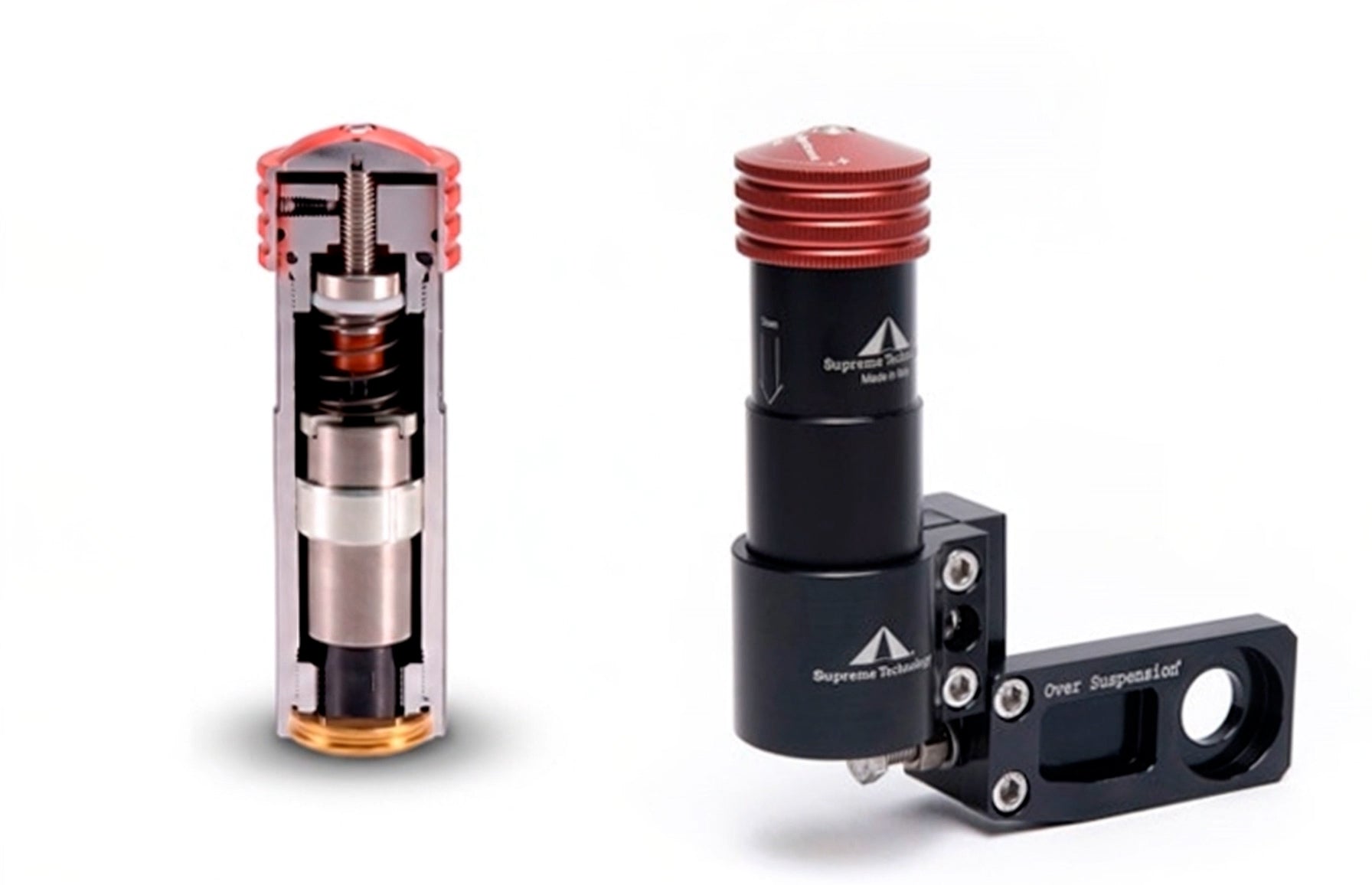
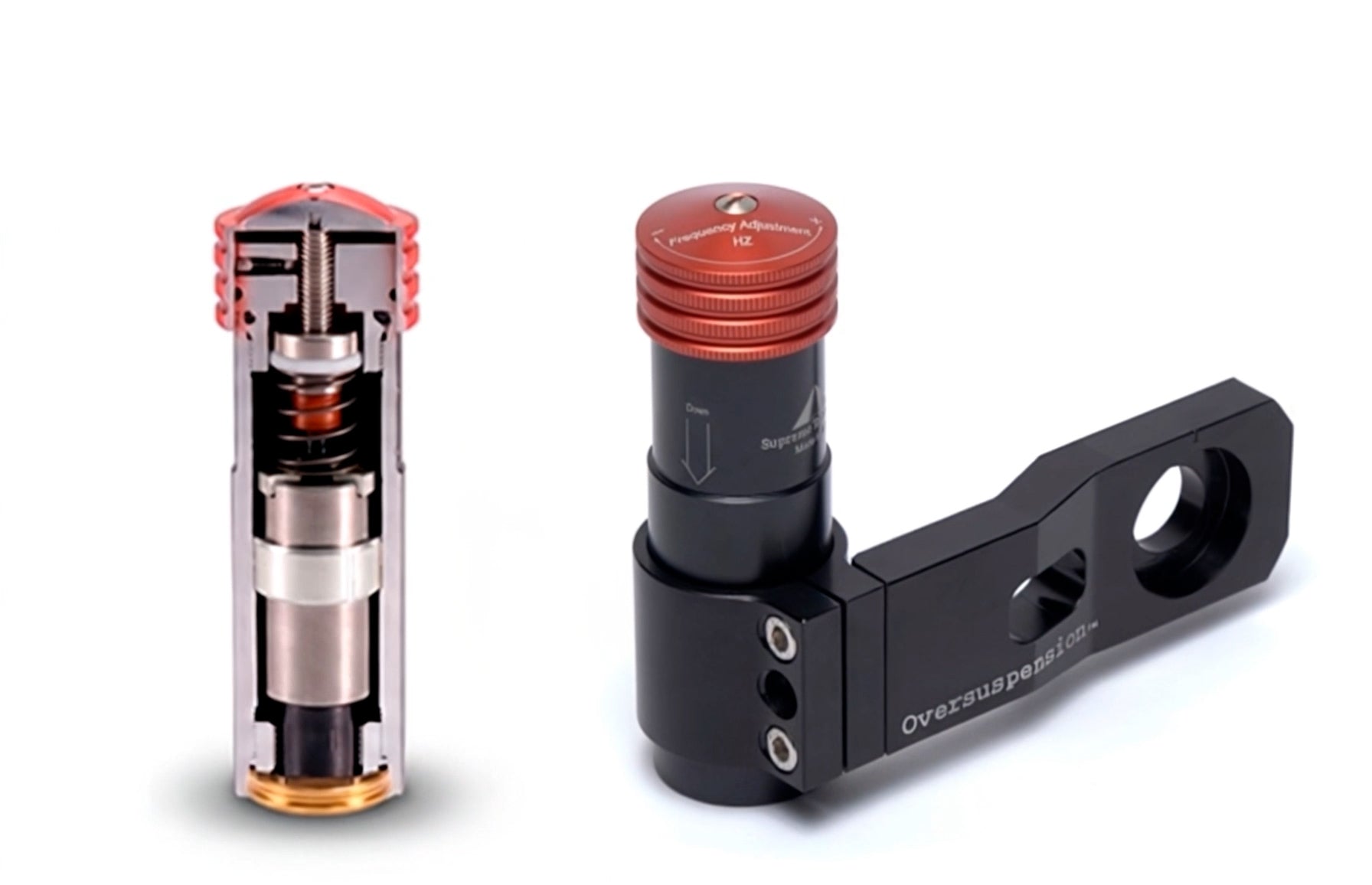
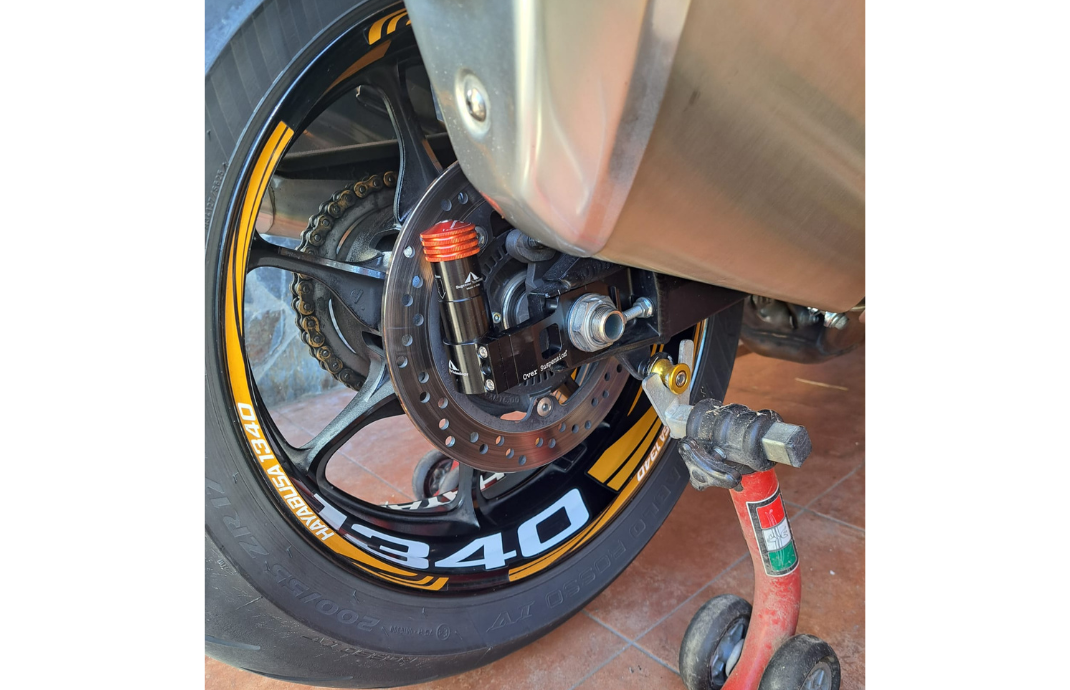
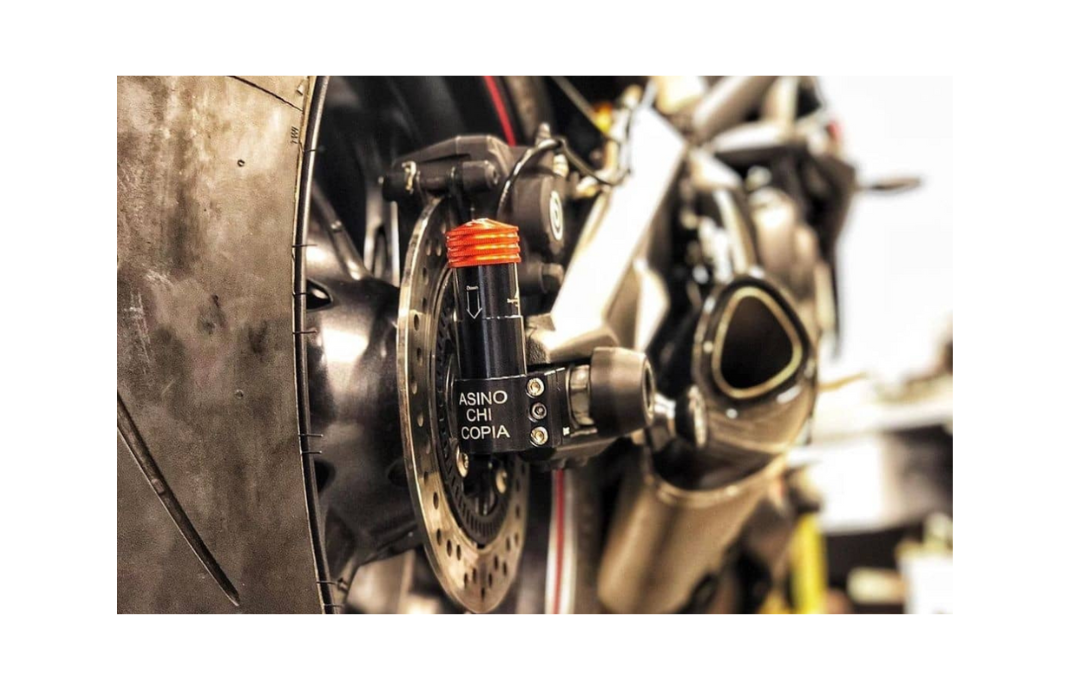
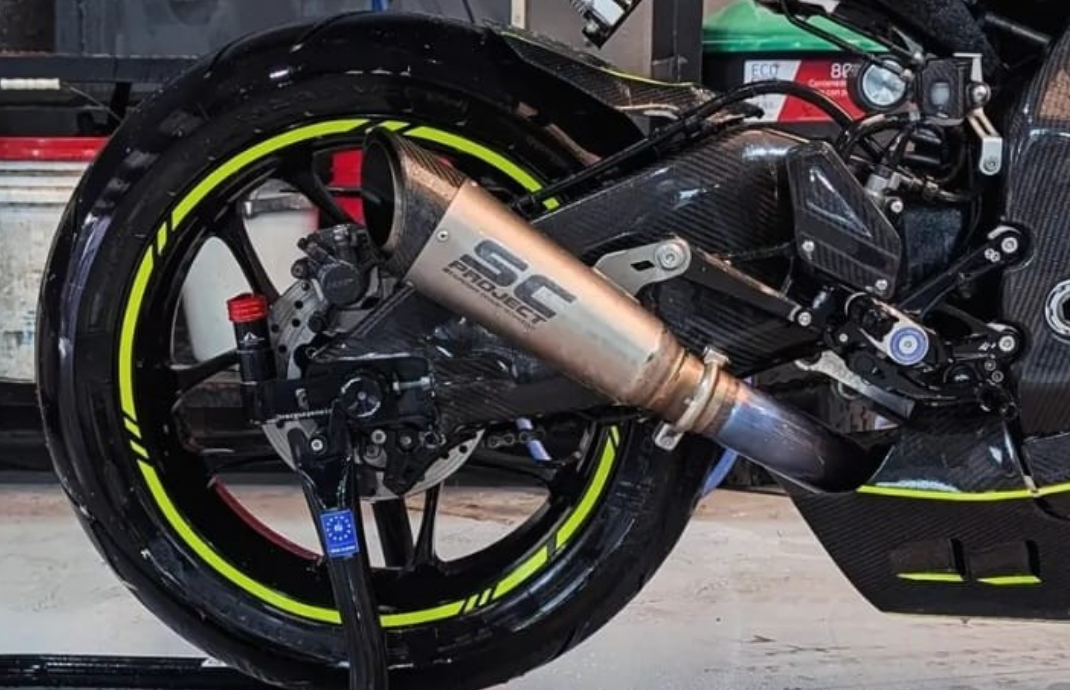
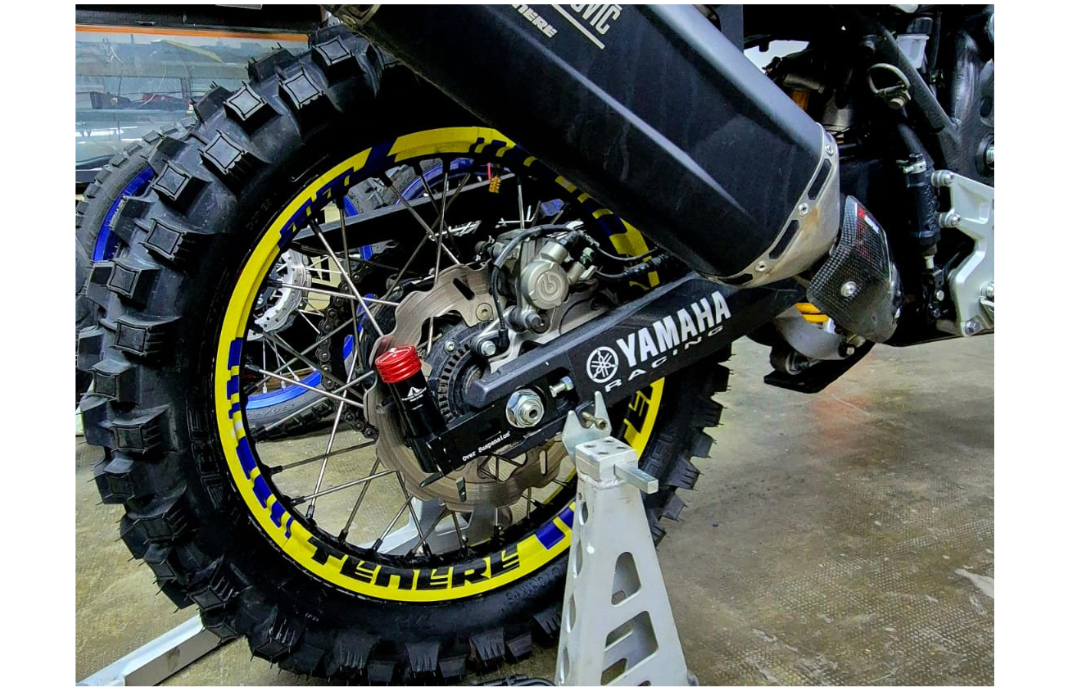
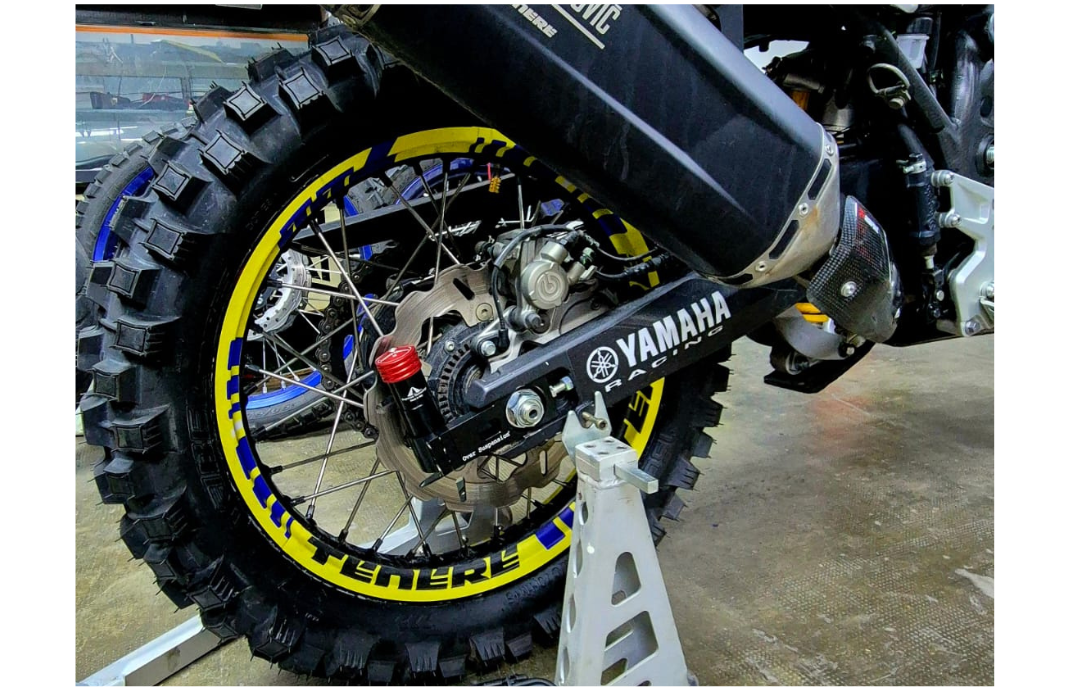
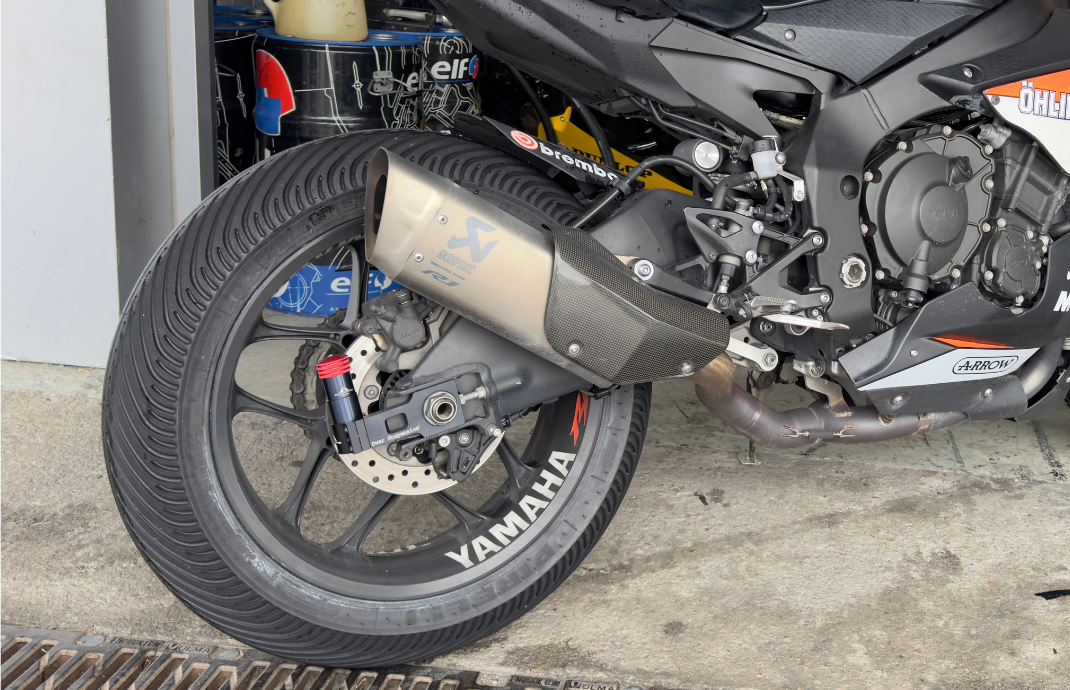
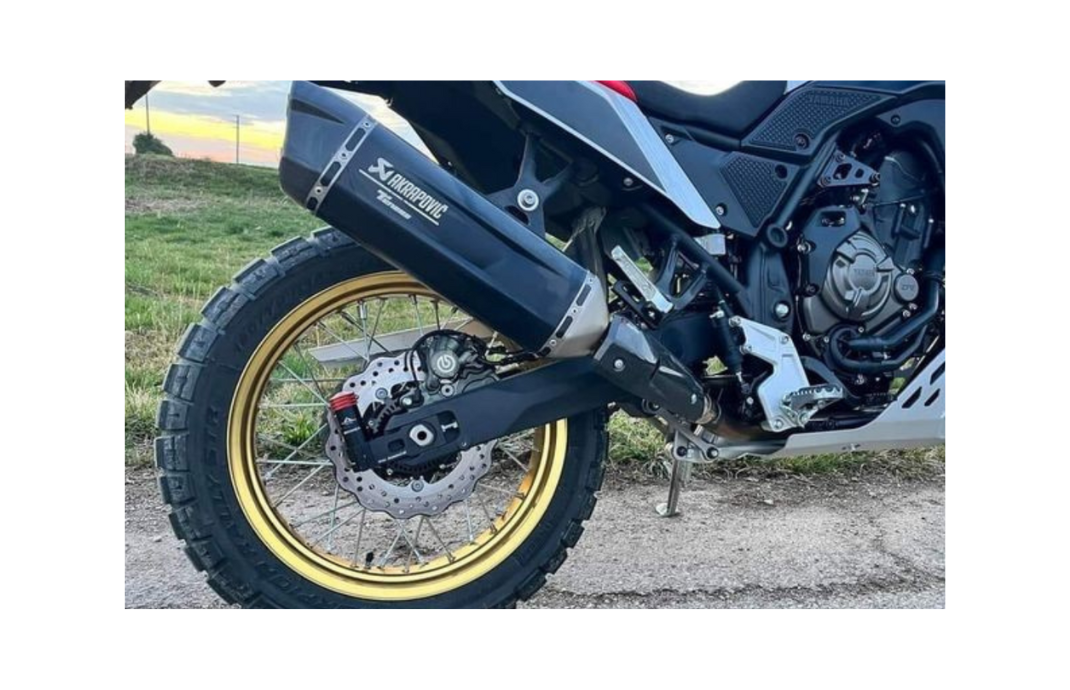
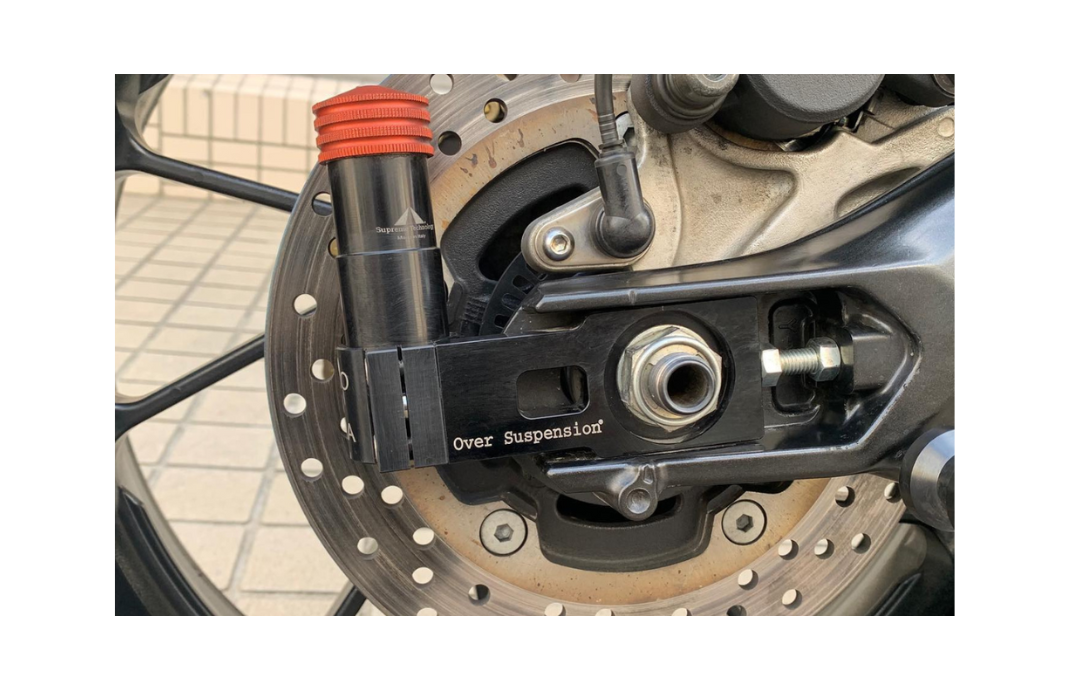
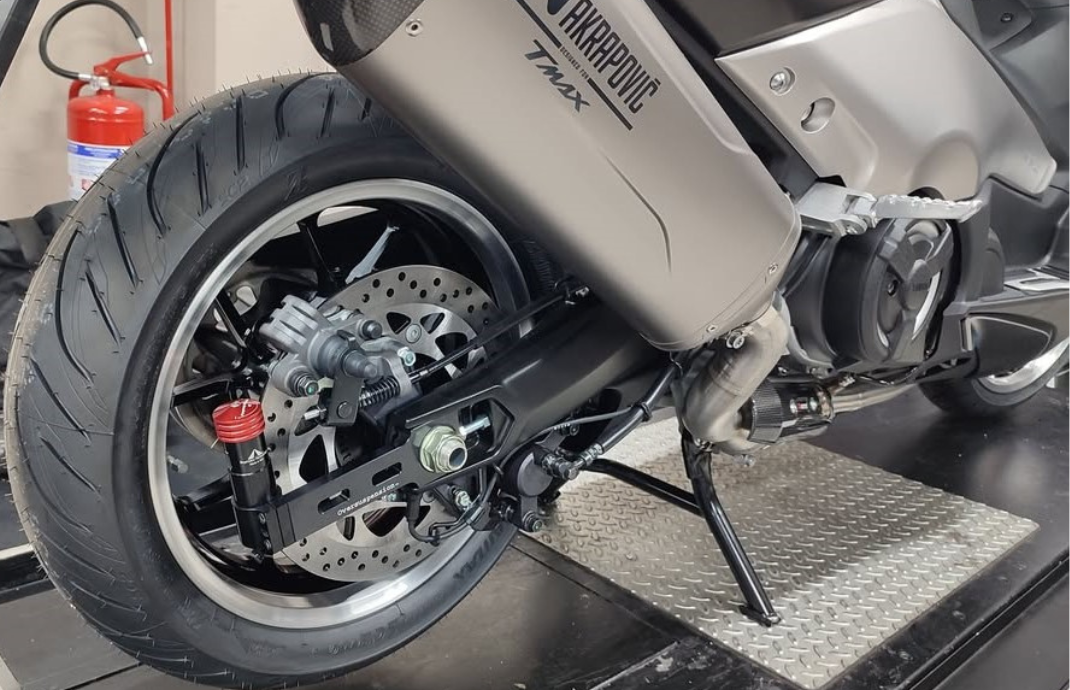
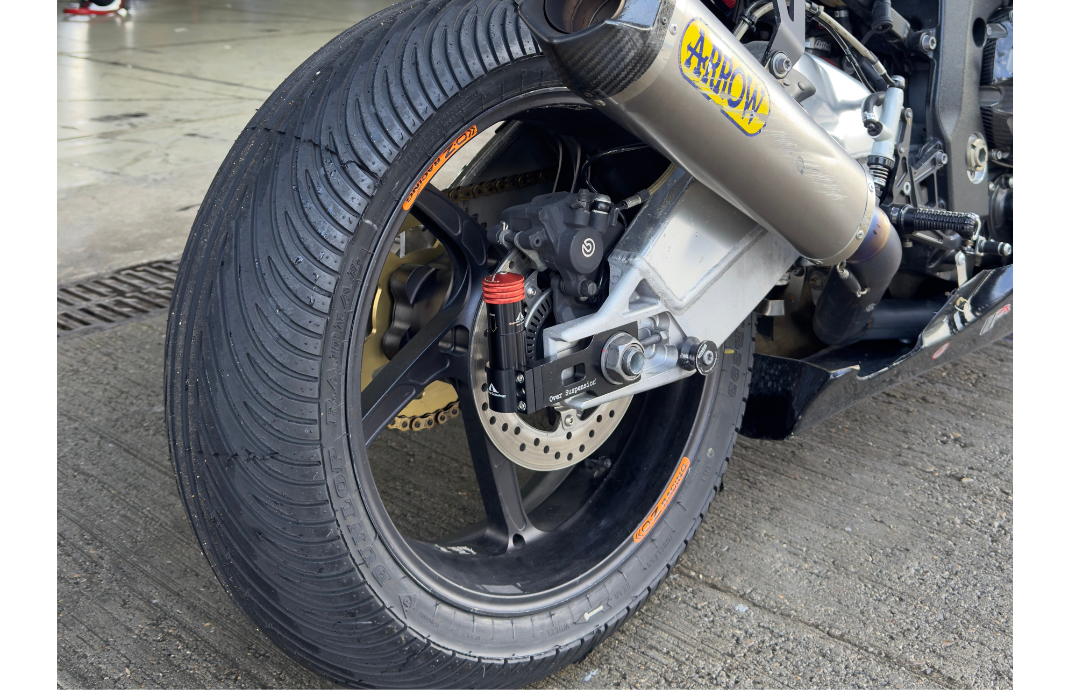
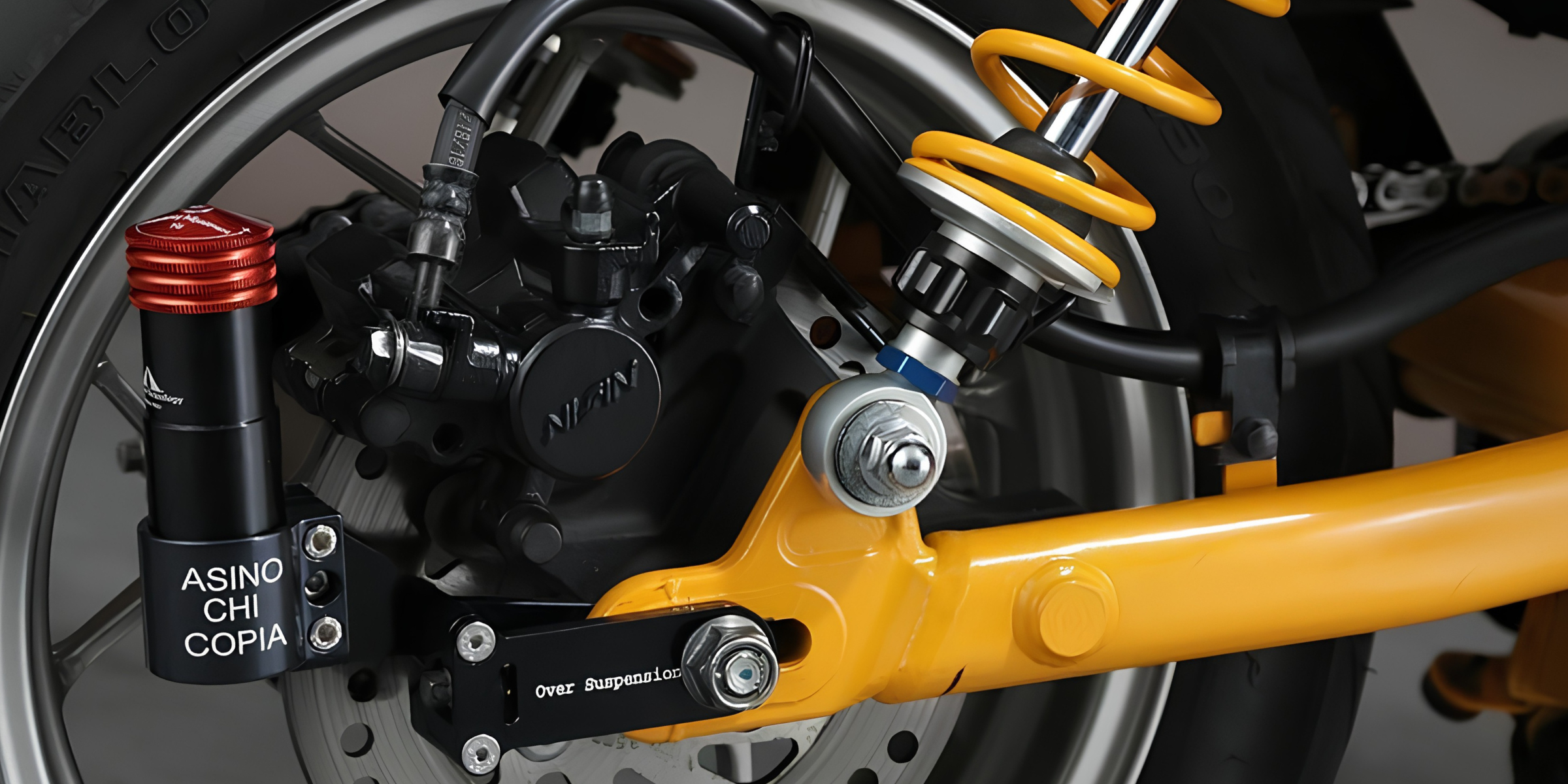
A gravitational resonator installed at the end of the swingarm operates exactly in the frequency range where these first aquaplaning vibrations occur.
When the tire starts to oscillate, the resonator detects the frequency. It responds in counter-phase. Its mass moves opposite to the tire’s oscillation. This cancels part of the energy disturbing the contact. The tire stays pressed against the asphalt, or against the thin layer of water above it, more consistently. Contact becomes less intermittent. The water wedge has less energy to grow.
It is not an absolute solution. At high speed, with enough water, aquaplaning can overcome any passive mechanical system. But the first stage is different. That is where milliseconds matter. That is where fractions of grip matter. Acting on the first oscillation can change the outcome.
The difference that is not seen, but measured.
Riders who use the device in rainy conditions describe a specific sensation: the bike feels more planted. Not faster, not more comfortable. More planted. As if the rear wheel had more weight on the asphalt than it physically does.
Riders using the device in rain describe one specific feeling: the bike feels more planted. Not faster. Not more comfortable. More planted. As if the rear wheel carries more weight than it physically does.
That feeling has a clear dynamic explanation. A tire that does not bounce applies continuous pressure. A tire that bounces apply pressure in pulses. In the first case, average contact force is higher, even when bike weight is unchanged. In the wet, that difference can decide whether grip holds or aquaplaning begins.
Rain does not forgive systems that react late. And in physics, late means after the problem has already occurred.